For industries dealing with feed pellet materials, efficient material handling is crucial for maintaining production efficiency and product quality. Pneumatic conveying systems offer a reliable solution for transporting these materials over short to medium distances. This article explores the operation process and working principle of such systems, highlighting their benefits and the key components involved.
Key Components of Pneumatic Conveying Systems
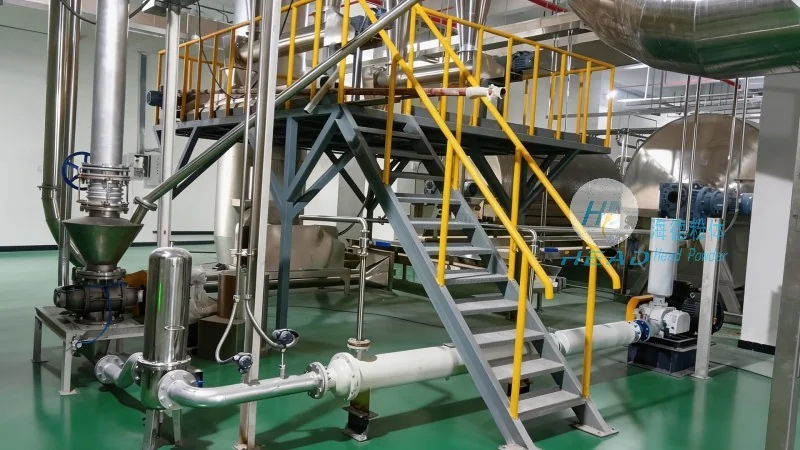
A pneumatic conveying system for feed pellets typically consists of several essential components. The primary elements include a material feed hopper, a conveying pipeline, a fan or blower to generate airflow, a separation or collection unit, and sometimes a filter system to ensure air quality. The feed hopper is designed to store and meter the feed pellets, ensuring a consistent flow into the system. The pipeline is usually made of durable materials like stainless steel or PVC to withstand the abrasive nature of feed pellets and the pressure from the airflow. The fan or blower provides the necessary air pressure and volume to move the material through the pipeline. The separation unit, often a cyclone or a bag filter, separates the material from the air stream, allowing the feed pellets to be collected at the destination. In some systems, a filter is included to capture any fine particles and maintain air cleanliness.
The Operation Process of Pneumatic Conveying
The operation process of a pneumatic conveying system for feed pellets involves several sequential steps. First, the feed pellets are loaded into the material feed hopper. The hopper is equipped with a metering device, such as a rotary valve or a screw feeder, which controls the flow rate of the material into the system. Next, the fan or blower is activated, generating a high-velocity airflow within the pipeline. The airflow creates a negative pressure or positive pressure environment, depending on the system design, which pulls or pushes the feed pellets along the pipeline. As the pellets travel through the pipeline, they are carried by the air stream, moving from the feed point to the collection or discharge point. The separation unit at the end of the pipeline captures the feed pellets, separating them from the air. The air, now clean of material particles, is either vented to the atmosphere or recirculated back into the system, depending on the system configuration. This process ensures that the feed pellets are transported efficiently and with minimal loss or degradation.
Working Principle of Pneumatic Conveying
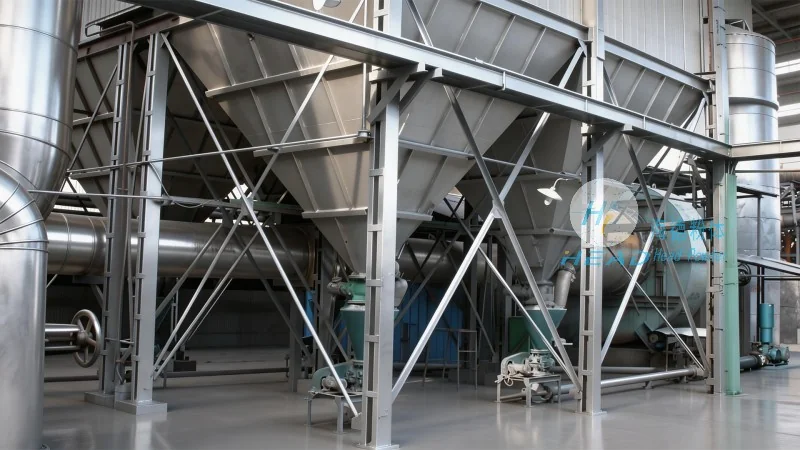
The working principle of pneumatic conveying for feed pellets is based on the principles of fluid dynamics and particle transport. The system relies on the interaction between the air flow and the feed pellets to achieve material transport. In a typical system, the fan or blower creates a pressure differential across the pipeline. If the system operates under positive pressure, the air pushes the pellets forward. If it operates under negative pressure, the air pulls the pellets along. The velocity of the air is critical; it must be sufficient to overcome the gravitational force acting on the pellets and to maintain the pellets in suspension within the air stream. The size, shape, and density of the feed pellets also influence the required air velocity and system design. For example, larger or denser pellets may require higher air velocities to ensure proper transport. The separation process at the end of the pipeline works by using centrifugal force to separate the pellets from the air. The air stream enters the separation unit at a high velocity, and the pellets are forced to the outer wall due to centrifugal force, while the air continues through the center and is either filtered or discharged.
Benefits of Pneumatic Conveying for Feed Pellet Handling
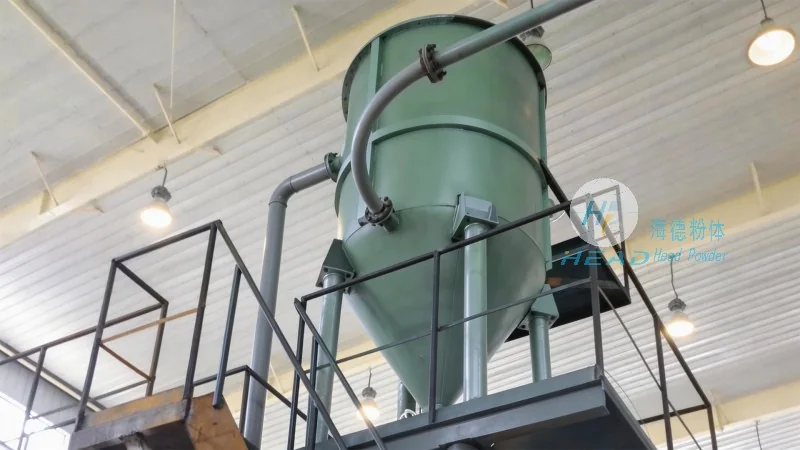
Pneumatic conveying systems offer several advantages for handling feed pellet materials. One of the key benefits is the ability to transport materials in a closed system, which helps prevent contamination from external sources and reduces dust emissions. This is particularly important for feed pellets, as they are often used in animal feed production and need to be kept clean and free from contaminants. Another advantage is the flexibility of the system, as it can be easily adapted to different production layouts and distances. Pneumatic conveying also reduces the need for manual handling, improving safety and labor efficiency. Additionally, the system can handle a wide range of feed pellet sizes and types, making it suitable for various applications in the feed industry. The closed system design also helps maintain the quality of the feed pellets by preventing exposure to moisture or other environmental factors that could affect their nutritional value.
About Shandong HeadPowder Engineering Co., Ltd.
Shandong HeadPowder Engineering Co., Ltd., commonly known as headpowder, is a leading manufacturer and supplier of pneumatic conveying systems and related equipment for the feed industry. With a strong focus on innovation and quality, the company has established itself as a trusted partner for businesses seeking efficient material handling solutions. Headpowder's products are designed to meet the specific needs of the feed industry, ensuring reliable and durable performance. The company's headquarters is located in Shandong, China, where it has a team of experienced engineers and technicians dedicated to developing and manufacturing high-quality pneumatic conveying systems. Headpowder's commitment to customer satisfaction and technical excellence has made it a preferred choice for many feed processing facilities worldwide.




