HeadPowder, a leading provider of industrial solutions, specializes in pneumatic conveying systems designed for the efficient handling of textile fiber materials. This article delves into the operational process and underlying principles of such systems, highlighting their role in optimizing material transport within textile processing facilities.
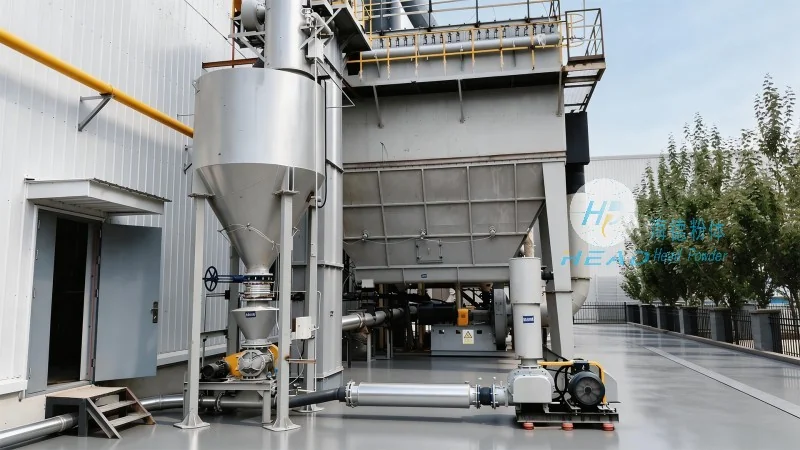
Introduction to Pneumatic Conveying Systems for Textile Fibers
Pneumatic conveying systems are essential for the seamless movement of loose, lightweight materials like textile fibers from one location to another within manufacturing plants. These systems utilize air or gas as the conveying medium, enabling the transport of materials without direct physical contact, which is crucial for maintaining material integrity and preventing contamination. The technology is widely adopted in the textile industry due to its ability to handle fine, dusty, or abrasive fibers while ensuring minimal product degradation.
Key Components of a Pneumatic Conveying System
A typical pneumatic conveying system for textile fibers comprises several critical components that work in tandem to facilitate material transport. These include a material feed hopper, a conveying line (often equipped with bends and elbows), a dust collection system, and a discharge outlet. The feed hopper is responsible for storing and feeding the textile fibers into the system, while the conveying line transports the material through the system using pressurized air. The dust collection system ensures that airborne particles are captured and returned to the system or disposed of properly, maintaining air quality and preventing environmental issues. The discharge outlet delivers the processed fibers to the next stage of the production process.
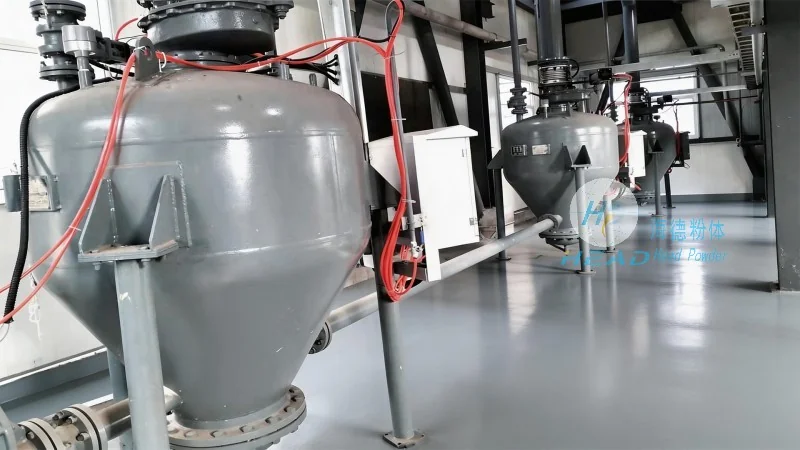
The Working Principle of Pneumatic Conveying
The core principle of pneumatic conveying is the use of differential pressure to move material through a pipeline. In a positive pressure system, compressed air is introduced into the conveying line, creating a pressure higher than the ambient air pressure. This pressure difference propels the textile fibers forward, allowing them to be transported over long distances and through complex layouts. Conversely, negative pressure systems (or vacuum systems) create a lower pressure inside the line, drawing material from the feed hopper into the system. Both systems rely on the interaction between the material particles and the air flow to achieve efficient transport. The design of the system, including the size of the conveying line, the velocity of the air, and the type of material, all influence the overall performance and efficiency of the process.
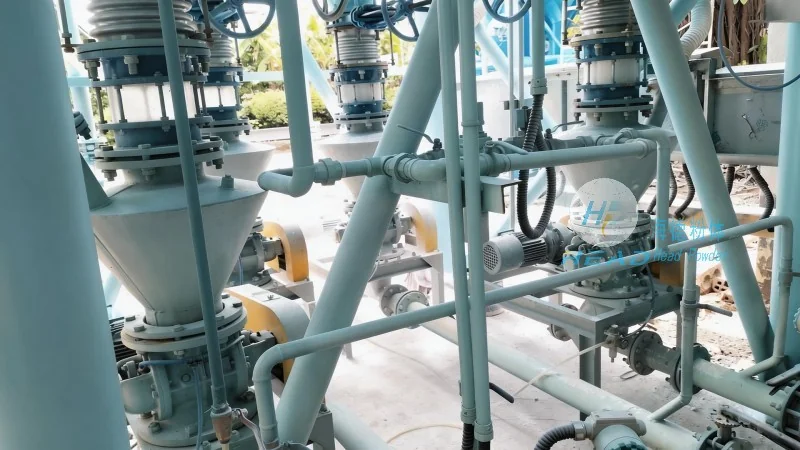
Operation Process of the System
The operational process of a pneumatic conveying system for textile fibers begins with the loading of the feed hopper with the raw fibers. Once the hopper is filled, the system starts by activating the air compressor, which generates the necessary pressure or vacuum. The material is then released from the hopper into the conveying line, where it is entrained by the moving air and transported to the discharge point. During transport, the fibers may undergo minor agitation or mixing, which helps prevent agglomeration and ensures uniform flow. At the discharge point, the fibers are collected in a receiving container, ready for further processing or packaging. The system continues to operate until the feed hopper is emptied or the required amount of material has been transported. Proper maintenance and monitoring of the system are essential to ensure consistent performance and to prevent issues such as blockages or air leaks.
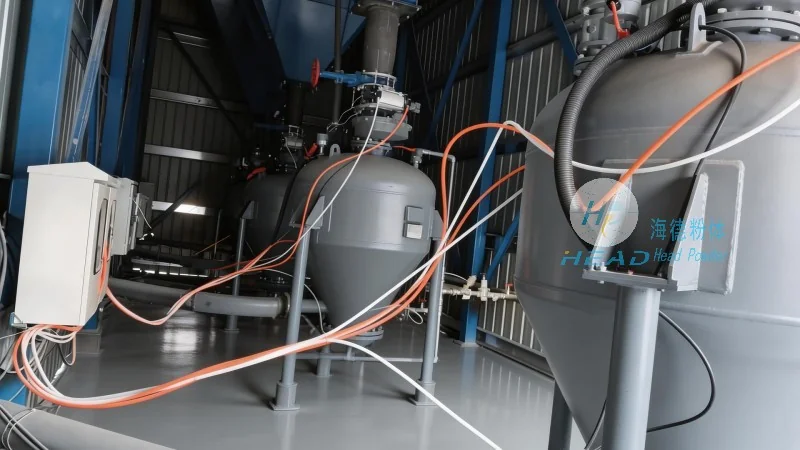
Benefits and Applications in Textile Industry
Pneumatic conveying systems offer numerous benefits for textile processing facilities, including improved material handling efficiency, reduced labor costs, and enhanced product quality. By eliminating the need for manual handling or mechanical conveyors, these systems minimize the risk of material damage and contamination. Additionally, the systems can be integrated with other processing equipment, such as blending machines or drying units, to create a streamlined production line. The technology is particularly useful for handling fine fibers, such as cotton or synthetic fibers, which are prone to dust and static. In industrial settings, pneumatic conveying systems are commonly used in applications like fiber blending, material transfer between production stages, and waste management within textile plants.
Conclusion
In conclusion, pneumatic conveying systems for textile fiber materials are sophisticated industrial solutions that leverage the principles of fluid dynamics to achieve efficient material transport. The operation process involves a series of coordinated steps, from material feeding to discharge, supported by key components like feed hoppers, conveying lines, and dust collection systems. By understanding the working principles and operational process, textile manufacturers can optimize their material handling processes, enhance productivity, and maintain product quality. As a leading provider in this field, Shandong HeadPowder Engineering Co., Ltd. offers tailored pneumatic conveying systems designed to meet the specific needs of textile processing facilities, ensuring reliable and efficient material transport.




