HeadPowder, a prominent engineering firm headquartered in Shandong, China, has developed a specialized gas-solid pneumatic conveying system tailored for the efficient handling of algae residue granular materials. This system represents a cutting-edge solution in material transport technology, addressing the specific challenges associated with processing and transporting algae waste products. By leveraging pneumatic conveying principles, the system ensures a seamless and cost-effective method for moving these materials, which are often characterized by their fine particle size and moisture content.
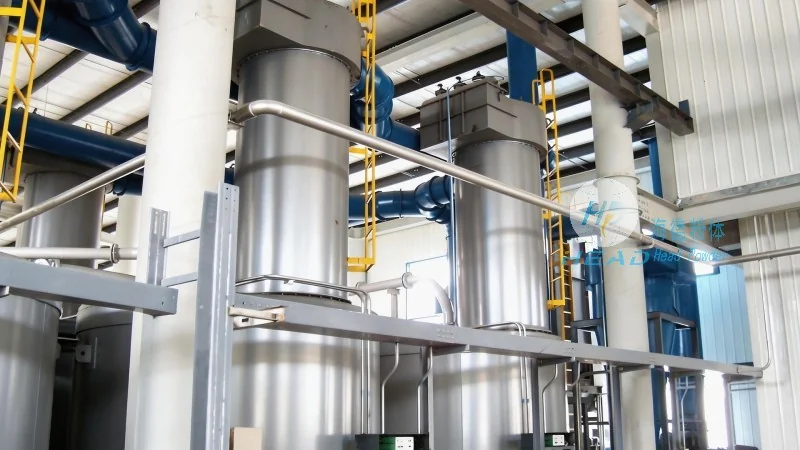
System Components and Design Philosophy
The gas-solid pneumatic conveying system for algae residue consists of several key components, each meticulously designed to optimize performance and reliability. The primary components include a material feeder, a conveying pipeline, a pressure vessel or receiver, and a control system. The material feeder is engineered to consistently feed the algae residue granules into the pipeline at a controlled rate, preventing blockages and ensuring uniform flow. The conveying pipeline, typically made of corrosion-resistant materials such as stainless steel or polyethylene, is designed to withstand the chemical properties of the algae residue and maintain airtight integrity. The pressure vessel or receiver is used to collect the conveyed material and may include features like a dust collection system to minimize environmental impact. The control system integrates sensors and automation to monitor pressure, flow rate, and other critical parameters, ensuring the system operates within optimal conditions.
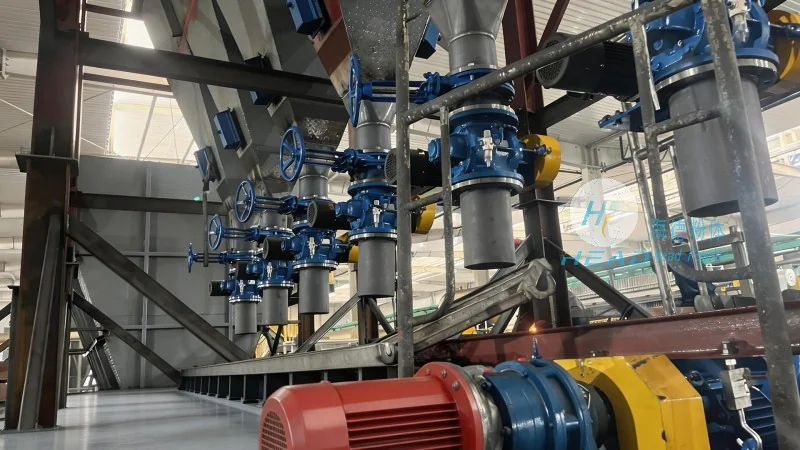
Working Principle of the Pneumatic Conveying Process
The operation of the gas-solid pneumatic conveying system for algae residue is based on the fundamental principle of transporting solid particles through a pipeline using a gas stream. In this system, a high-pressure air or gas stream is generated by a blower or compressor and introduced into the conveying pipeline. The algae residue granules are then introduced into the pipeline at the feeder, where they are entrained by the moving gas stream. As the particles travel through the pipeline, they are suspended and transported to the receiver. The velocity of the gas stream is carefully controlled to maintain a stable suspension of the particles, preventing deposition or blockage. The system may employ different conveying modes, such as dilute-phase or dense-phase, depending on the material characteristics and transport distance. Dilute-phase conveying is suitable for shorter distances and finer particles, while dense-phase conveying is used for longer distances or bulkier materials, ensuring efficient and reliable transport.
Advantages and Applications
The gas-solid pneumatic conveying system for algae residue offers several advantages over traditional material handling methods. Firstly, it provides a dust-free and hygienic transport process, which is crucial for handling organic materials like algae residue. The system eliminates the need for manual handling, reducing labor costs and improving workplace safety. Secondly, it offers high efficiency and low energy consumption compared to other methods, such as belt conveyors or trucks. The system can transport materials over long distances with minimal energy input, making it an economical solution for large-scale operations. Thirdly, the system is highly flexible and can be easily integrated into existing production lines or expanded to accommodate increased material volumes. These advantages make the system suitable for various applications, including the transport of algae residue from processing facilities to storage or treatment sites, as well as the delivery of processed materials to end-users.
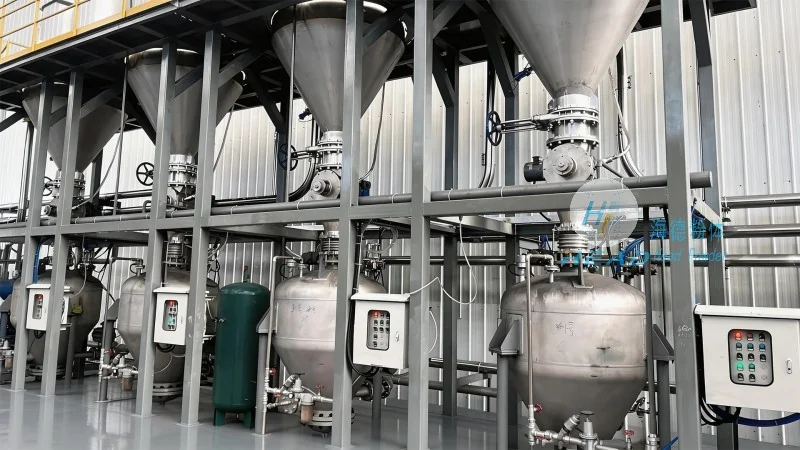
Operational Considerations and Maintenance
Proper operation and maintenance of the gas-solid pneumatic conveying system for algae residue are essential to ensure optimal performance and longevity. Regular monitoring of system parameters, such as pressure, flow rate, and temperature, is necessary to detect any anomalies or potential issues. The system should be equipped with appropriate safety features, including pressure relief valves and emergency shut-off mechanisms, to prevent accidents and protect personnel. Maintenance activities should include routine cleaning of the feeder, pipeline, and receiver to prevent clogging and ensure smooth operation. The materials used in the system components should be selected based on the chemical and physical properties of the algae residue to prevent corrosion or degradation. By following these operational guidelines, the system can maintain high efficiency and reliability, providing consistent performance over its service life.




