Shandong HeadPowder Engineering Co., Ltd., a leading manufacturer based in Shandong, China, specializes in the design and production of advanced material handling equipment. This article focuses on the operation process and working principle of multi-point feeding material pneumatic conveying equipment, a critical solution for efficient bulk material transport in various industrial applications.
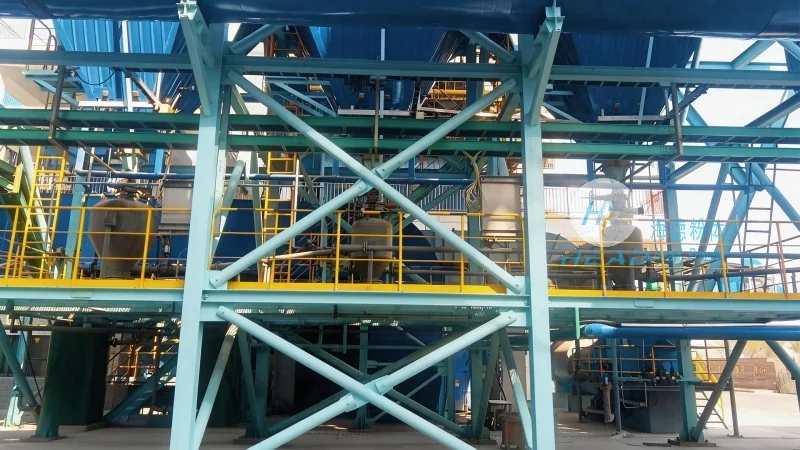
Overview of Multi-Point Feeding Pneumatic Conveying Systems
Multi-point feeding material pneumatic conveying equipment is engineered to handle bulk materials from multiple source points simultaneously. This system integrates multiple feeding hoppers or silos connected to a central pneumatic conveying network, enabling seamless material transfer across different locations within a facility. The design optimizes material flow by distributing the load evenly across the conveying line, reducing pressure drops and ensuring consistent performance.
Working Principle of the Equipment
The core of the multi-point feeding system relies on the principles of pneumatic conveying, where materials are transported through a pipeline using air or gas as the conveying medium. The system typically operates under positive pressure, where compressed air is introduced into the pipeline to create a flow that propels the material particles. Key components include feeders, conveying lines, separation units, and control systems, all working in tandem to achieve efficient material transport.
Key Components and Their Functions
1. Feeding Hoppers: These are the initial points where bulk materials are stored and prepared for transport. Each hopper is equipped with a feeder mechanism, such as a rotary valve or a screw feeder, which regulates the flow of material into the conveying line. The design ensures uniform material discharge, preventing blockages and maintaining consistent flow rates.
2. Pneumatic Conveying Lines: The main pipeline network connects all feeding hoppers to the discharge point. The lines are constructed from durable materials like stainless steel or PVC to withstand the abrasive nature of bulk materials and the effects of air pressure. The diameter and length of the lines are carefully selected to minimize pressure losses and ensure efficient material movement.
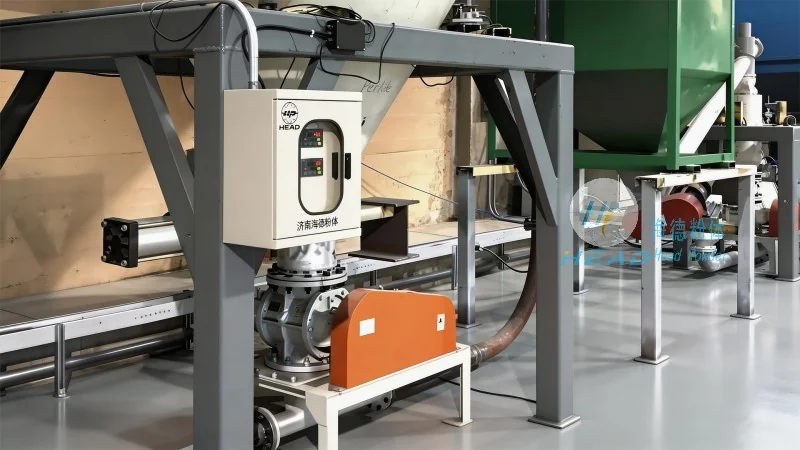
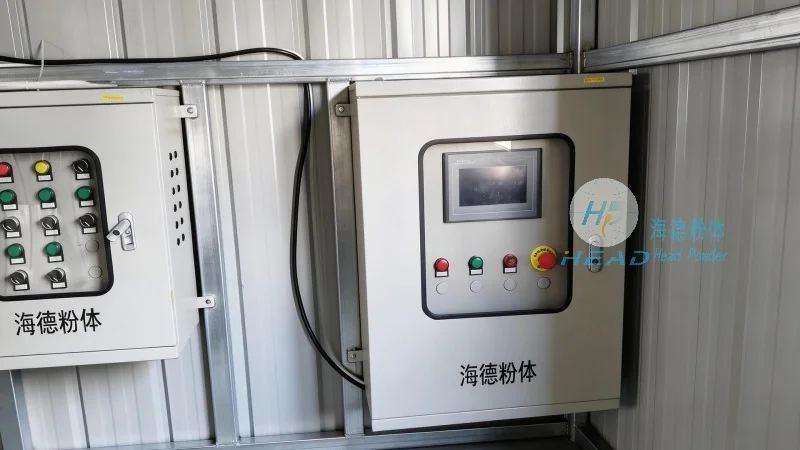
3. Compressor and Air System: A high-pressure air compressor supplies the necessary air to generate the conveying force. The air system includes filters, regulators, and moisture separators to maintain clean and dry air, which is crucial for preventing material degradation and equipment wear. The compressor is controlled by a programmable logic controller (PLC) to adjust air pressure and flow based on the material load.
4. Separation and Collection Units: At the discharge end, the system incorporates separation equipment, such as cyclones or bag filters, to separate the conveyed material from the air stream. The collected material is then discharged into a storage bin or processing unit, while the cleaned air is returned to the system or released to the environment.
Operation Process of Multi-Point Feeding Equipment
The operation of multi-point feeding material pneumatic conveying equipment follows a systematic sequence to ensure smooth and continuous material transport. The process begins with the loading of each feeding hopper with bulk material. Once loaded, the feeder mechanisms start, and the compressed air is activated, creating a pressure differential that drives the material through the conveying lines.
During operation, the control system monitors key parameters such as air pressure, material flow rate, and pressure drop in the lines. If any abnormal conditions are detected, the system automatically adjusts the feeder speed or air pressure to maintain optimal performance. This real-time monitoring ensures that the conveying process remains stable and efficient, even when multiple feeding points are active simultaneously.
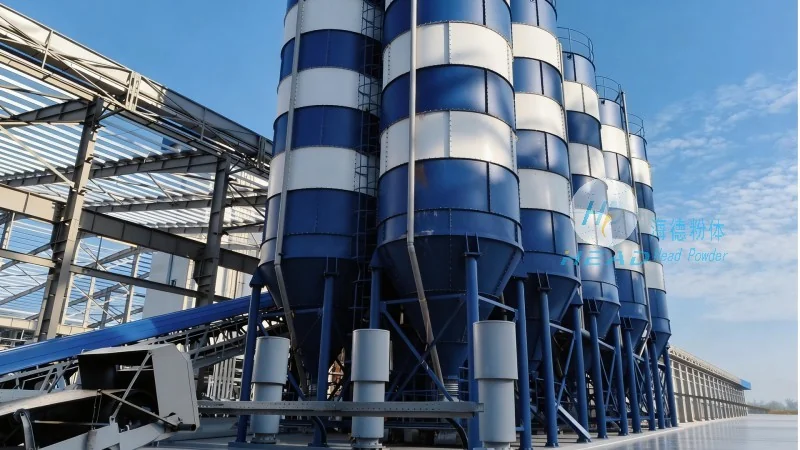
The material is transported from each feeding hopper to the central discharge point, where it is collected and processed further. The system can handle various types of materials, including powders, granules, and fine particles, with minimal product degradation due to the enclosed and controlled environment.
Advantages of Multi-Point Feeding Pneumatic Conveying Systems
Multi-point feeding material pneumatic conveying equipment offers several advantages over traditional bulk material handling methods. Firstly, it provides a dust-free and hygienic transport solution, which is essential for industries such as food, pharmaceuticals, and chemicals. The enclosed system prevents material contamination and reduces the risk of dust explosions.
Secondly, the system allows for flexible and scalable material handling, as additional feeding points can be added or modified without major structural changes. This adaptability makes it suitable for expanding production lines or integrating new processes. The energy efficiency of pneumatic conveying, compared to mechanical systems like conveyor belts, also contributes to lower operational costs.
Thirdly, the multi-point feeding design enhances process reliability by distributing the material load across multiple lines. This reduces the risk of system failure due to a single point of failure and ensures continuous operation, even if one feeding hopper is temporarily out of service.
Applications and Industries
Multi-point feeding material pneumatic conveying equipment is widely used in various industries where bulk materials need to be transported efficiently and safely. Common applications include the food and beverage industry for transporting flour, sugar, and other ingredients; the pharmaceutical industry for handling powders and granules; the chemical industry for conveying raw materials and intermediates; and the mining and mineral processing industry for transporting ore and minerals.
In each of these applications, the equipment's ability to handle multiple feeding points simultaneously ensures that production lines can operate at optimal capacity, minimizing downtime and maximizing productivity. The flexibility and reliability of the system make it a preferred choice for industries that require consistent and high-quality material transport.
Maintenance and Operational Considerations
Proper maintenance is crucial to ensure the long-term performance and reliability of multi-point feeding material pneumatic conveying equipment. Regular inspections of the feeding hoppers, conveying lines, and air system components are necessary to identify and address any potential issues before they escalate. The use of high-quality materials and components, such as stainless steel for the conveying lines and durable feeders, helps to extend the equipment's lifespan and reduce maintenance costs.
Operational considerations also include the selection of appropriate air pressure and flow rates based on the material characteristics. For example, abrasive materials may require thicker pipeline walls and more robust feeder mechanisms to prevent wear and tear. Additionally, the system should be equipped with safety features, such as pressure relief valves and dust collection systems, to comply with industry regulations and ensure worker safety.
By adhering to proper maintenance practices and operational guidelines, users can maximize the efficiency and lifespan of multi-point feeding material pneumatic conveying equipment, ensuring consistent performance and minimal downtime in their production processes.




