For industries dealing with bulk powder handling, efficient and reliable material transport is crucial. The pneumatic conveying equipment designed for powder bins, manufactured by Shandong HeadPowder Engineering Co., Ltd. from China, offers a sophisticated solution to streamline material movement within processing facilities. This article explores the operation process and working principle of such equipment, highlighting its key components and operational dynamics.
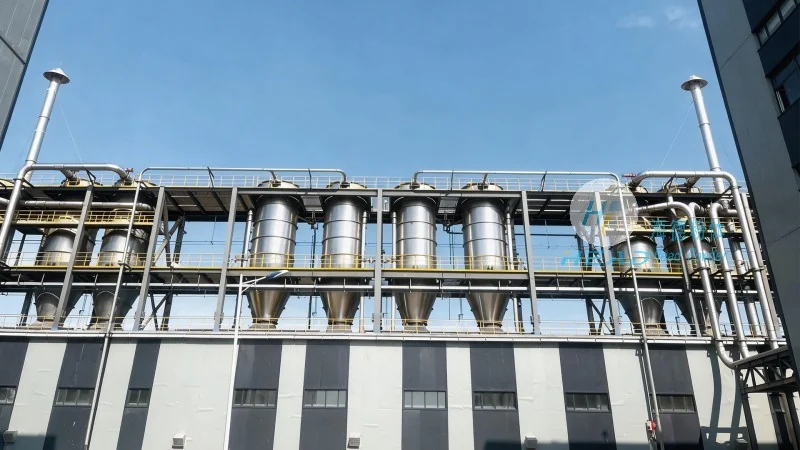
Company Overview and Product Focus
Shandong HeadPowder Engineering Co., Ltd., based in Shandong, China, specializes in the design, manufacturing, and supply of advanced material handling systems, including pneumatic conveying equipment tailored for powder bins. The company’s expertise lies in developing customized solutions that meet the specific demands of various industrial applications, ensuring optimal performance and durability in demanding environments.
Understanding Pneumatic Conveying Technology
Pneumatic conveying, as the name suggests, utilizes compressed air or gas to transport bulk materials like powders, granules, and fine particles. The system operates by creating a pressure differential between the material source and the destination, enabling the material to be moved through a pipeline network. This method is particularly effective for handling materials that are sensitive to moisture, contamination, or degradation, as it maintains a closed system that protects the product integrity.
Key Components of Powder Bin Pneumatic Conveying Systems
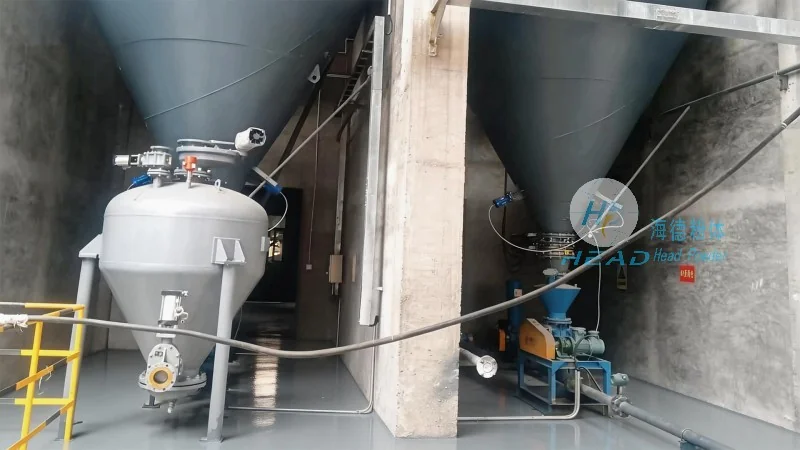
The core components of a powder bin pneumatic conveying system include the powder bin itself, which serves as the storage vessel; a feeder or hopper that regulates the material flow; a conveying line (usually made of stainless steel or other corrosion-resistant materials to prevent material buildup and contamination); a blower or air compressor that generates the necessary air pressure; and a receiver or discharge hopper where the material is deposited. Each component plays a critical role in ensuring the smooth and efficient operation of the system.
The Operation Process: Step-by-Step
The operation of a powder bin pneumatic conveying system typically follows a sequence of steps. First, the material is fed from the powder bin into the feeder, which controls the flow rate to match the conveying requirements. Simultaneously, the blower starts and generates compressed air, which is introduced into the conveying line. The air flow creates a negative pressure or positive pressure environment, depending on the system design, to draw or push the material through the pipeline. As the material travels through the line, it is mixed with the air stream, forming a slurry-like mixture that moves towards the receiver. Upon reaching the receiver, the air is separated from the material, often using a cyclone separator or a filter, and the material is discharged into the final storage or processing unit. The air, now filtered, is then returned to the blower or released safely, completing the cycle.
Working Principle: How It Works
The working principle of the powder bin pneumatic conveying equipment is based on the principles of fluid dynamics and particle transport. In a typical positive pressure system, the blower supplies compressed air into the conveying line, creating a pressure higher than the ambient air pressure. This pressure difference forces the material to move through the line as the air pushes it forward. The material is suspended in the air stream, and the velocity of the air ensures that the particles remain entrained and do not settle. In contrast, a negative pressure system uses a vacuum created by the blower to draw material from the powder bin into the line. Both systems rely on the balance between air velocity and particle size to maintain stable transport, preventing blockages or material degradation.
Advantages of Using Pneumatic Conveying for Powder Handling
Implementing pneumatic conveying equipment for powder bins offers several advantages over traditional methods like belt conveyors or bucket elevators. These include the ability to handle fine and abrasive materials without causing wear and tear, the maintenance of product purity and quality due to the closed system, and the flexibility to transport materials over long distances or through complex layouts. Additionally, the system can be integrated with other processing equipment, allowing for seamless material flow from storage to production lines, enhancing overall operational efficiency.
Applications in Various Industries
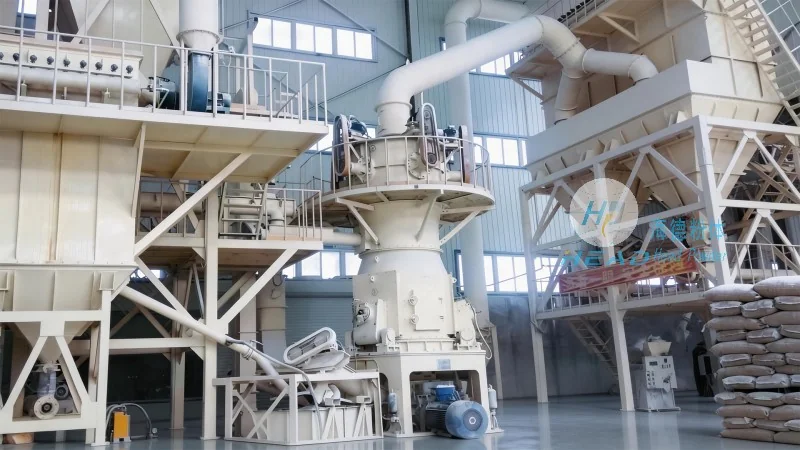
The versatility of powder bin pneumatic conveying equipment makes it suitable for a wide range of industries, including food and beverage, pharmaceuticals, chemicals, and mining. In the food industry, it is used to transport ingredients like flour, sugar, and spices while maintaining hygiene standards. In pharmaceutical manufacturing, the system ensures that active pharmaceutical ingredients (APIs) are handled in a sterile and controlled environment. In the chemical sector, it facilitates the transport of powders such as catalysts, pigments, and reagents, protecting them from moisture and contamination. The mining industry also benefits from this technology for transporting ore and other bulk materials from storage bins to processing plants.
Maintenance and Operational Considerations
To ensure the longevity and optimal performance of the powder bin pneumatic conveying equipment, regular maintenance is essential. This includes checking the blower for proper air pressure and flow, inspecting the conveying lines for blockages or wear, cleaning the filters and cyclones to maintain air quality, and monitoring the feeder for consistent material flow. Proper maintenance not only prevents system downtime but also extends the lifespan of the equipment, reducing long-term operational costs. Additionally, operators should be trained on the safe operation of the system, including handling of compressed air and proper material handling procedures to avoid accidents.
Conclusion
The operation process and working principle of powder bin material pneumatic conveying equipment, as exemplified by the solutions from Shandong HeadPowder Engineering Co., Ltd., represent a sophisticated approach to bulk material handling. By leveraging pneumatic technology, these systems provide efficient, reliable, and hygienic transport of powders, enhancing productivity and product quality across various industrial applications. With proper design, installation, and maintenance, such equipment continues to be a vital component in modern processing facilities, supporting the demands of industries that rely on consistent and high-quality material flow.




