HeadPowder, a leading manufacturer based in Shandong, China, specializes in the design and production of advanced pneumatic conveying systems for handling small bag materials with precise quantitative weighing. This equipment is engineered to efficiently transport bulk materials from storage to processing units, ensuring accurate weight measurement and consistent material flow. The system integrates multiple components to achieve seamless operation, combining pneumatic technology with digital weighing mechanisms for industrial applications.
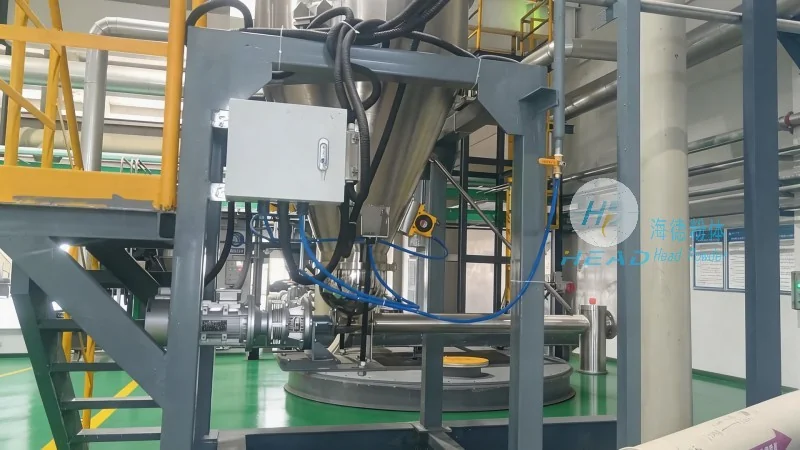
Working Principle of the Pneumatic Conveying System
The core of the small bag quantitative weighing pneumatic conveying equipment lies in its integrated pneumatic conveying and weighing modules. The process begins with the loading of small bags containing the material into the hopper. As the bags are fed into the system, an automated mechanism opens the bag and releases the material into the conveying line. Simultaneously, a high-precision load cell or scale measures the weight of the material being discharged from each bag. The system uses compressed air to create a negative pressure or positive pressure environment, depending on the design, to draw or push the material through the pipeline. The air flow is controlled by a series of valves and regulators to maintain consistent material velocity and prevent blockages. The weighing module continuously records the weight of each batch, ensuring that the total quantity matches the target set by the operator. This integration of pneumatic transport and real-time weighing allows for accurate and reliable material handling, minimizing losses and improving process efficiency.
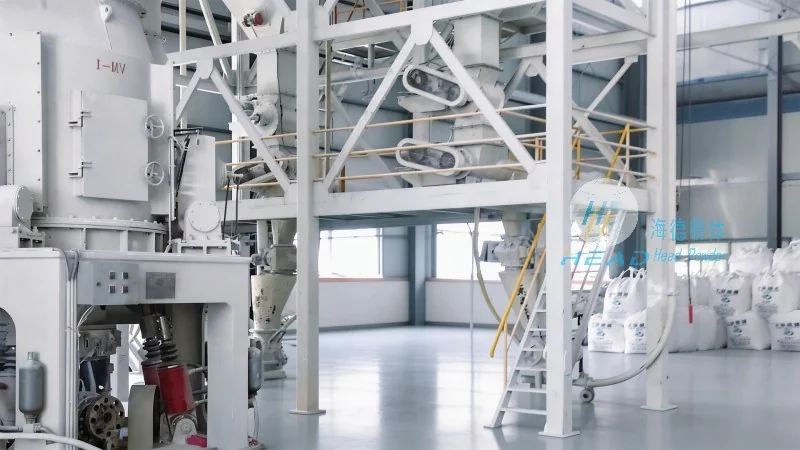
Operation Process of the Equipment
The operation of the small bag quantitative weighing pneumatic conveying equipment follows a systematic sequence to ensure optimal performance. First, the system is started by activating the main power and air supply. The hopper is then filled with small bags of the material, which are placed in a designated feeding area. The feeding mechanism, typically a rotary valve or a conveyor belt, moves the bags into the opening mechanism. Once a bag is positioned correctly, the opening device (such as a cutter or a tear-off mechanism) is activated to release the material. The material falls into the weighing hopper, where the load cell measures the weight. The system records this weight and, if it meets the preset threshold, the material is conveyed to the next processing stage. If the weight is insufficient or exceeds the target, the system may trigger an alarm or adjust the feeding rate. The conveying process continues until all bags are processed, and the system automatically shuts down or transitions to a standby mode. This automated process reduces manual intervention, enhances safety, and maintains consistent material quality throughout the operation.
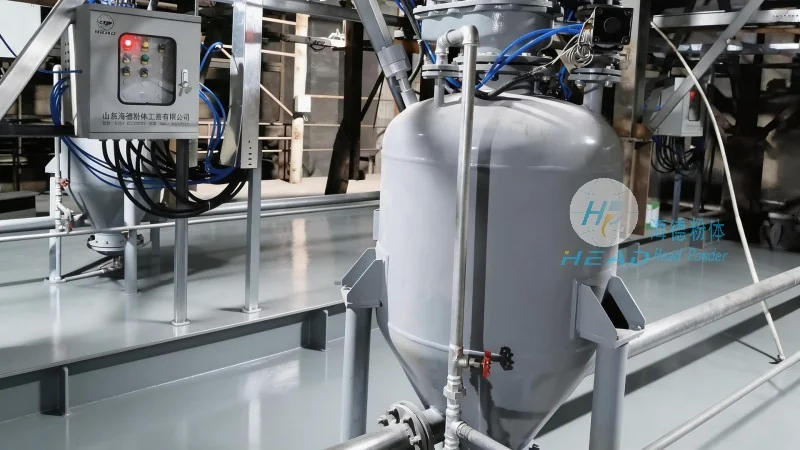
Key Components and Their Functions
The small bag quantitative weighing pneumatic conveying equipment comprises several critical components that work in harmony to achieve its objectives. The hopper serves as the primary storage and feeding unit, holding the small bags and regulating the flow of material into the system. The bag opening mechanism is designed to safely and efficiently release the material from each bag without damaging the contents. The weighing module, equipped with a high-precision load cell, provides accurate weight measurement for each batch, ensuring compliance with quality standards. The pneumatic conveying system, including the pipeline, valves, and air compressor, facilitates the transport of material from the weighing hopper to the processing unit. The control system, often a programmable logic controller (PLC), manages all operational parameters, including air pressure, flow rate, and weighing thresholds. Each component is engineered to withstand the demands of industrial environments, ensuring durability and long-term reliability.
Industrial Applications and Benefits
HeadPowder's small bag quantitative weighing pneumatic conveying equipment is widely used in various industries, including chemical, pharmaceutical, food, and mining. In the chemical industry, it is used to transport powders and granules with high precision, ensuring that each batch meets the required specifications. In the pharmaceutical sector, the system's hygienic design and precise weighing capabilities are crucial for maintaining product quality and compliance with regulatory standards. The food industry benefits from the system's ability to handle food-grade materials while preventing contamination. The mining industry uses it to transport bulk materials from storage to processing plants, improving operational efficiency. The primary benefits of this equipment include improved material handling accuracy, reduced labor costs, enhanced safety through automated operations, and increased production throughput. By integrating pneumatic conveying with real-time weighing, the system minimizes material loss, optimizes inventory management, and supports sustainable industrial practices.
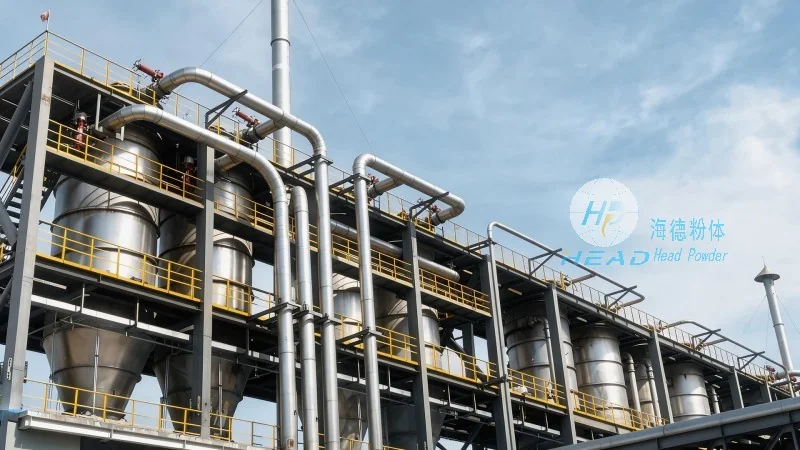
Maintenance and Operational Tips
To ensure the long-term performance and reliability of the small bag quantitative weighing pneumatic conveying equipment, regular maintenance is essential. The system should be inspected regularly for any signs of wear or damage to components such as the hopper, bag opening mechanism, and pneumatic valves. The load cell and weighing sensors should be calibrated periodically to maintain accuracy. The air compressor and filters should be checked to prevent dust accumulation and ensure clean air supply. The pipeline should be inspected for blockages or leaks, which can affect the conveying efficiency. Operators should follow the manufacturer's guidelines for operation and maintenance, including proper cleaning procedures and routine checks. By adhering to these maintenance practices, the equipment can operate at peak efficiency, reducing downtime and extending its service life. HeadPowder provides comprehensive support and technical assistance to its customers, ensuring that the equipment remains in optimal condition throughout its operational lifecycle.




