Coal ash, as a byproduct of coal combustion, is widely used in various industrial applications. The efficient handling and transportation of coal ash granular materials are crucial for optimizing production processes and ensuring environmental compliance. Pneumatic conveying systems offer a reliable solution for this purpose, enabling the safe and effective movement of coal ash particles from one location to another. This article provides an in-depth exploration of the operation process and working principle of coal ash granular material pneumatic conveying equipment, highlighting key components, operational steps, and the underlying mechanisms that ensure optimal performance. The equipment is typically manufactured by Shandong HeadPowder Engineering Co., Ltd., a leading provider of industrial conveying solutions.
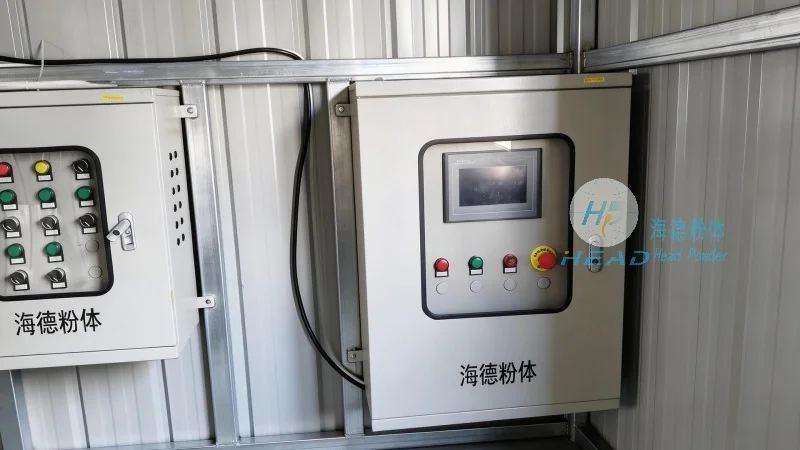
Overview of Coal Ash Granular Material Pneumatic Conveying Equipment
Coal ash granular material pneumatic conveying equipment is a specialized system designed to transport coal ash particles using air as the conveying medium. The system typically consists of several key components, including a hopper for material storage, a blower or air compressor to generate the necessary air pressure, a pipeline network to guide the material flow, and a receiver or discharge unit for material collection. Each component plays a critical role in the overall operation, working in concert to ensure the smooth and efficient movement of coal ash granules. The equipment is engineered to handle the unique characteristics of coal ash, such as its particle size distribution, moisture content, and potential for dust generation.
Working Principle of the Pneumatic Conveying System
The core working principle of the coal ash granular material pneumatic conveying equipment relies on the creation of a high-pressure air stream within the pipeline. As the blower or air compressor operates, it generates an air flow that is directed into the hopper containing the coal ash. The air stream lifts the coal ash particles from the hopper and propels them through the pipeline network. The pressure and velocity of the air are carefully controlled to ensure that the coal ash particles are carried along without excessive wear or degradation. The system may employ different conveying modes, such as dilute phase or dense phase, depending on the specific requirements of the application and the characteristics of the coal ash material. In dilute phase conveying, the material is suspended in the air stream and transported at relatively high velocities, while in dense phase conveying, the material is conveyed at lower velocities with higher air-to-material ratios, reducing the risk of particle degradation.
Operation Process of the Equipment
The operation process of the coal ash granular material pneumatic conveying equipment involves several sequential steps. First, the coal ash is fed into the hopper from a storage silo or conveyor system. The hopper is equipped with a feeder mechanism, such as a rotary valve or screw feeder, which regulates the flow rate of the material into the system. Next, the blower or air compressor is activated, generating the required air pressure. The air is then introduced into the hopper, creating a suction effect that lifts the coal ash particles. The material is carried by the air stream through the pipeline to the discharge point, where it is collected in a receiver or storage bin. The system may include control valves and sensors to monitor and adjust the flow rate, pressure, and other parameters to maintain optimal performance. Regular maintenance and monitoring are essential to ensure the longevity and efficiency of the equipment, including checking for air leaks, cleaning filters, and inspecting for wear on moving parts.
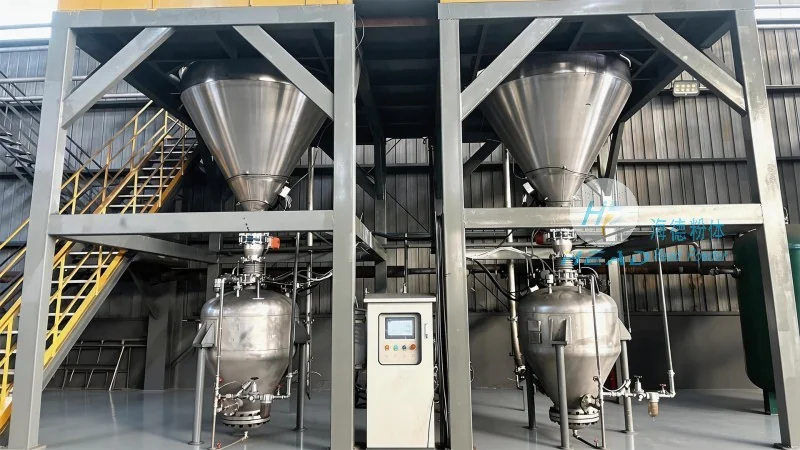
Key Components and Their Functions
Several critical components are integral to the operation of the coal ash granular material pneumatic conveying equipment. The hopper serves as the primary storage and feeding unit, providing a controlled environment for the material. The feeder mechanism, such as a rotary valve or screw feeder, regulates the material flow rate, preventing overloading and ensuring consistent operation. The blower or air compressor generates the necessary air pressure and flow, which is the driving force for the conveying process. The pipeline network, typically made of stainless steel or other corrosion-resistant materials, transports the coal ash particles from the hopper to the discharge point. The receiver or discharge unit collects the material and may include features such as a dust filter or separator to improve material quality. Control systems, including sensors and valves, monitor and adjust the system parameters to maintain optimal performance and prevent issues such as blockages or pressure fluctuations. The system may also include a vacuum or pressure regulator to control the air flow and ensure stable operation.
Advantages of Using Pneumatic Conveying for Coal Ash Handling
Employing pneumatic conveying systems for coal ash granular material handling offers several advantages over traditional methods, such as belt conveyors or bucket elevators. One of the primary benefits is the ability to transport materials in a closed system, minimizing dust emissions and improving environmental compliance. The system also provides flexibility in terms of layout, as the pipeline can be routed around obstacles or through different levels of a facility. Additionally, pneumatic conveying can handle a wide range of particle sizes and shapes, making it suitable for various coal ash applications. The equipment is also relatively compact and can be integrated into existing production lines with minimal disruption. However, it is important to consider factors such as air consumption, energy efficiency, and maintenance requirements when evaluating the suitability of pneumatic conveying for a specific application. The system's ability to handle fine particles and prevent material degradation makes it particularly advantageous for applications where material quality is critical.
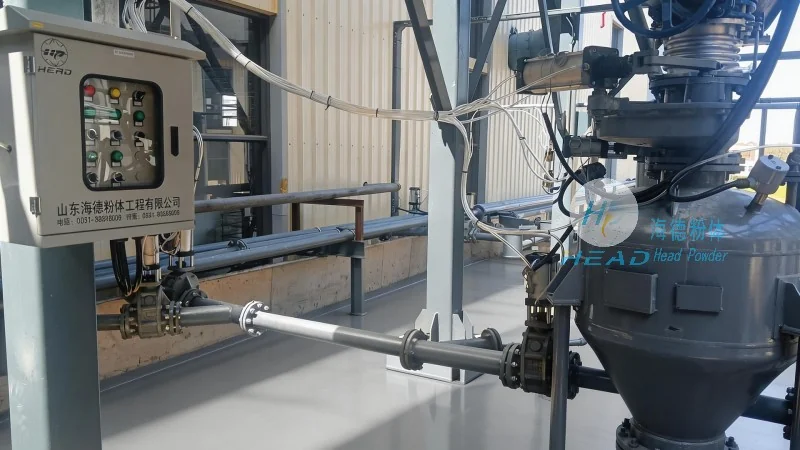
Applications of Coal Ash Granular Material Pneumatic Conveying Equipment
The coal ash granular material pneumatic conveying equipment is widely used in various industrial sectors, including power generation, cement production, and construction materials manufacturing. In power plants, the equipment is used to transport coal ash from the boiler to storage silos or disposal sites. In cement plants, coal ash is often used as a supplementary cementitious material, and the conveying system ensures its efficient delivery to the grinding and mixing processes. The equipment is also utilized in construction material production, where coal ash is incorporated into concrete or other building materials. The versatility of the system allows it to adapt to different production requirements and material characteristics, making it a valuable asset in modern industrial operations. The equipment's ability to handle large volumes of material and maintain consistent flow rates makes it ideal for high-throughput applications, such as in large-scale power generation facilities or cement production plants.
Maintenance and Troubleshooting of the Equipment
Proper maintenance is essential to ensure the reliable and efficient operation of the coal ash granular material pneumatic conveying equipment. Regular inspections should be conducted to check for wear and tear on components such as the hopper, feeder, and pipeline. The blower or air compressor should be checked for proper air pressure and flow rates, and any issues with air filtration or moisture should be addressed promptly. The control system and sensors should be calibrated regularly to ensure accurate monitoring and adjustment of system parameters. Common issues that may arise include blockages in the pipeline, which can be caused by excessive moisture or foreign materials, and pressure fluctuations, which may indicate problems with the blower or air compressor. Proper troubleshooting procedures should be followed to identify and resolve these issues quickly, minimizing downtime and ensuring the continued performance of the equipment. The maintenance schedule should be tailored to the specific operating conditions and material characteristics to optimize equipment life and performance.
Conclusion
Coal ash granular material pneumatic conveying equipment is a sophisticated and efficient system for handling and transporting coal ash particles. The operation process involves the coordinated action of several key components, working together to create a high-pressure air stream that lifts and propels the material through the pipeline. The system offers numerous advantages, including closed system operation, flexibility in layout, and the ability to handle a wide range of material characteristics. Proper maintenance and regular monitoring are essential to ensure optimal performance and longevity of the equipment. As the demand for efficient coal ash handling solutions continues to grow, the pneumatic conveying system remains a reliable and effective choice for various industrial applications. The equipment's ability to minimize dust emissions, handle diverse material types, and integrate seamlessly into existing production lines makes it a preferred solution for many industries. With proper operation and maintenance, the coal ash granular material pneumatic conveying equipment can provide long-term benefits in terms of efficiency, cost savings, and environmental compliance.




