Efficient and reliable transportation of tailings and powder waste materials is a critical aspect of modern mining and processing operations. The air-powered conveying equipment developed by Shandong HeadPowder Engineering Co., Ltd. offers a sophisticated solution to this challenge, ensuring safe, efficient, and cost-effective material handling. This equipment is specifically designed to handle fine and abrasive materials commonly found in tailings processing, providing a robust system that minimizes downtime and maximizes operational efficiency.
Overview of Air-Powered Conveying Systems
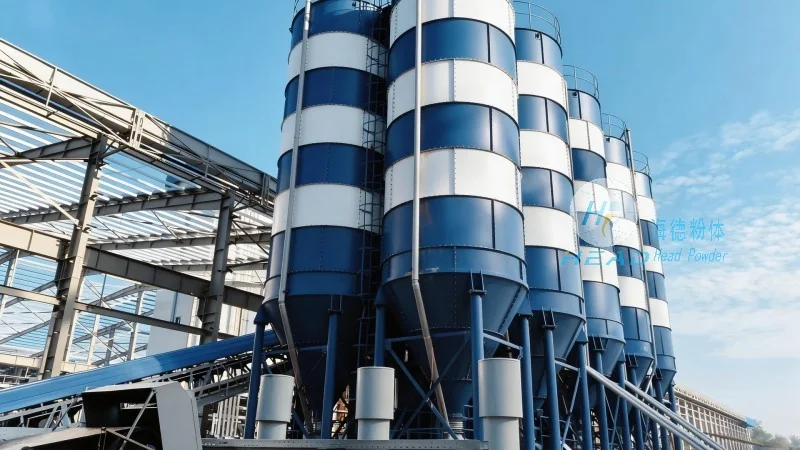
At the core of the air-powered conveying system is the use of compressed air to transport bulk materials through a pipeline network. This method eliminates the need for mechanical components such as belts or buckets, reducing maintenance requirements and enhancing safety. The system typically consists of a series of components, including a material feeder, a pressure vessel, a pipeline network, and a discharge unit. Each component plays a crucial role in the overall operation, working in tandem to ensure smooth material flow.
Key Components and Their Functions
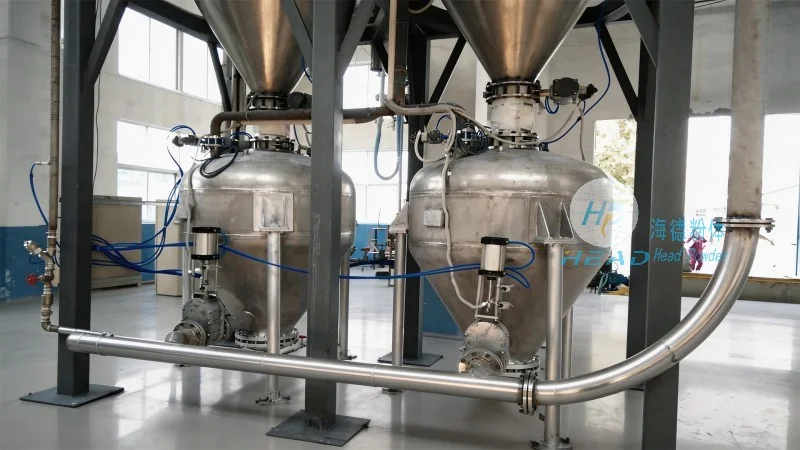
The air-powered conveying equipment from HeadPowder features several key components that contribute to its effectiveness. The material feeder is responsible for introducing the tailings or powder waste into the system, ensuring a consistent flow rate. The pressure vessel, often referred to as a hopper or silo, stores the material under pressure, allowing for controlled discharge. The pipeline network, made of durable materials such as stainless steel or polyethylene, transports the material from the feeder to the discharge point. Finally, the discharge unit regulates the release of material, preventing blockages and ensuring a steady output.
Working Principle of the Conveying Process
The operation of the air-powered conveying system begins with the material being fed into the pressure vessel. As the vessel fills, the pressure inside increases, creating a pressure differential between the vessel and the discharge end of the pipeline. This pressure difference drives the material forward through the pipeline using compressed air. The air is introduced at the inlet of the pipeline, creating a low-pressure zone that pulls the material along with it. The combination of air pressure and material density ensures that even fine particles are transported efficiently without clogging the system.
Operation Process: From Feeding to Discharge
The entire operation process of the air-powered conveying equipment can be broken down into several sequential steps. First, the tailings or powder waste is loaded into the material feeder, which then transfers the material into the pressure vessel. As the vessel fills, the pressure builds up, and the system is ready for operation. The next step involves activating the compressed air supply, which starts the conveying process. The material is then propelled through the pipeline network, moving from the pressure vessel to the discharge point. At the discharge end, the material is released into a storage or processing facility. The system continuously monitors pressure and flow rates to maintain optimal performance, with automatic controls adjusting the air pressure and material feed rate as needed.
Advantages of Air-Powered Conveying for Tailings Handling
Compared to traditional mechanical conveying methods, air-powered systems offer several advantages for handling tailings and powder waste. These include reduced maintenance costs due to fewer moving parts, lower energy consumption, and improved safety by eliminating the risk of mechanical failure or material entrapment. Additionally, the system can handle a wide range of particle sizes and moisture content, making it versatile for various mining and processing applications. The ability to transport materials over long distances without the need for intermediate transfer points also enhances operational flexibility.
Application Examples in Mining and Processing
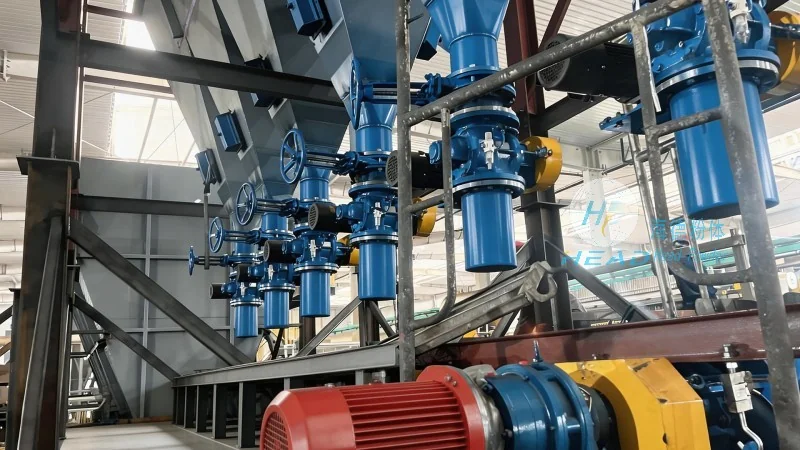
The air-powered conveying equipment from Shandong HeadPowder Engineering Co., Ltd. is widely used in various mining and processing applications. For instance, in gold or copper mining operations, the equipment efficiently transports tailings from the processing plant to storage facilities or for further treatment. In cement production, it handles fine limestone or clinker powder, ensuring consistent material flow to the kilns. The system is also applicable in coal processing plants, where it conveys coal ash or fine coal particles. In each of these applications, the equipment provides reliable performance, contributing to the overall efficiency of the production process.
Maintenance and Operational Considerations
To ensure the longevity and optimal performance of the air-powered conveying equipment, regular maintenance is essential. This includes checking the condition of the pipeline for any signs of wear or damage, inspecting the material feeder and pressure vessel for blockages or leaks, and verifying the functionality of the compressed air system. The use of high-quality materials, such as stainless steel for the pipeline and wear-resistant components for the feeder, helps to minimize wear and extend the equipment's lifespan. Additionally, proper training of operators on the system's operation and safety protocols is crucial to prevent accidents and ensure smooth operation.




