HeadPowder, a leading engineering company based in Shandong, China, specializes in the design, manufacturing, and installation of advanced bulk material handling systems. Among their portfolio is the vacuum-pressure mixed type pneumatic conveying line, a sophisticated solution that integrates both suction and pressure conveying mechanisms to efficiently transport dry bulk materials over long distances with minimal product degradation.
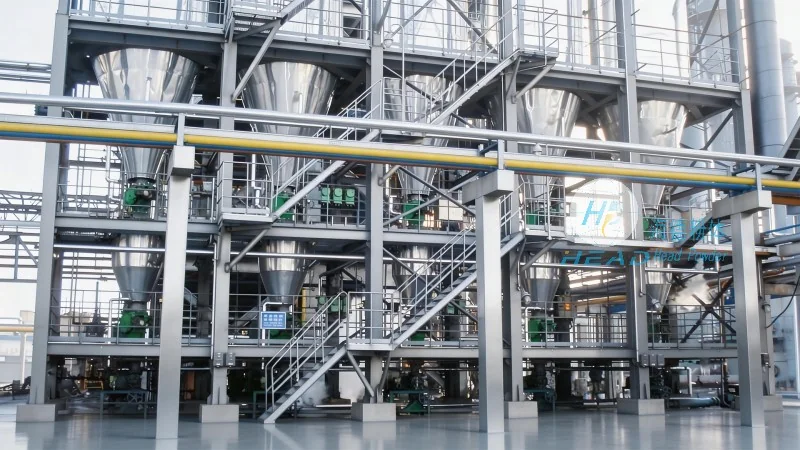
Overview of the Vacuum-Pressure Mixed Type Pneumatic Conveying System
The vacuum-pressure mixed type bulk material pneumatic conveying line is engineered to handle a wide range of dry bulk materials, including powders, granules, and fine particles. This system combines the advantages of both suction and pressure conveying technologies, offering flexibility in material handling while ensuring high efficiency and reliability. The system is particularly suitable for applications where materials need to be transported from multiple sources to a central processing unit or storage facility, with the ability to handle varying material characteristics and flow rates.
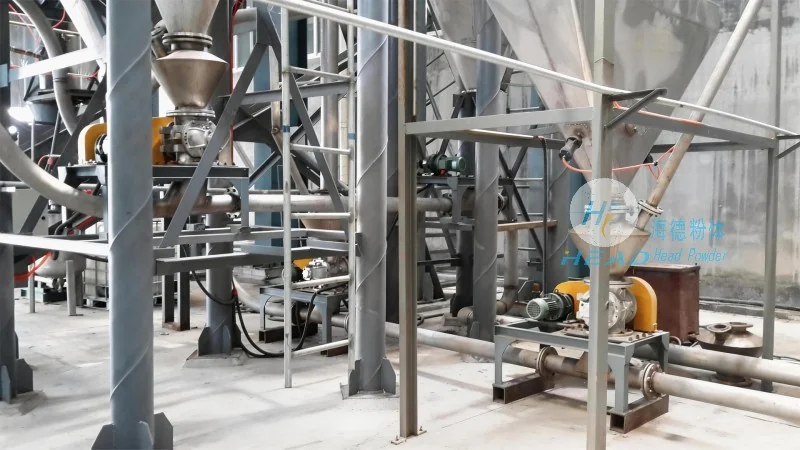
Key Components and Their Functions
The vacuum-pressure mixed type pneumatic conveying line consists of several critical components that work in tandem to achieve effective material transport. These include the material feed hopper, which stores and regulates the flow of bulk material; the vacuum and pressure conveying sections, which utilize air flow to move materials; the filter and dust collection system, which ensures environmental compliance and material purity; and the control panel, which monitors and adjusts the system's operation in real-time. Each component is designed to optimize performance and maintain the integrity of the conveyed materials.
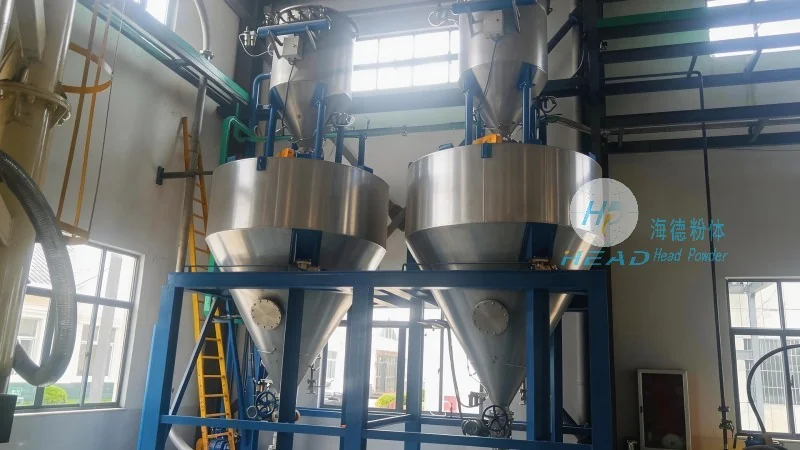
Operation Process of the System
The operation of the vacuum-pressure mixed type pneumatic conveying line begins with the material being fed into the feed hopper. From there, the material is transferred to the suction section, where a vacuum is created to draw the material into the conveying line. The material then moves through the suction pipe to the pressure section, where compressed air is introduced to boost the material's velocity and ensure it reaches the destination point. The system's control panel continuously monitors pressure, flow rate, and material level, automatically adjusting the air flow and suction power as needed to maintain optimal performance. This integrated approach allows for smooth and continuous material transport, minimizing downtime and maximizing throughput.
Working Principle of the Vacuum-Pressure Mixed Conveying Mechanism
The working principle of the vacuum-pressure mixed type pneumatic conveying line is based on the interaction between air flow and bulk material. In the suction phase, a vacuum is generated by a fan or blower, creating a pressure differential that draws the material from the source into the conveying line. The material is then carried by the air stream, with the air velocity sufficient to overcome the material's weight and friction. In the pressure phase, compressed air is added to the conveying line, increasing the air velocity and pressure, which helps to accelerate the material and prevent blockages. The mixed operation allows the system to handle both low and high flow rates, as well as materials with varying densities and particle sizes, making it a versatile solution for diverse industrial applications.
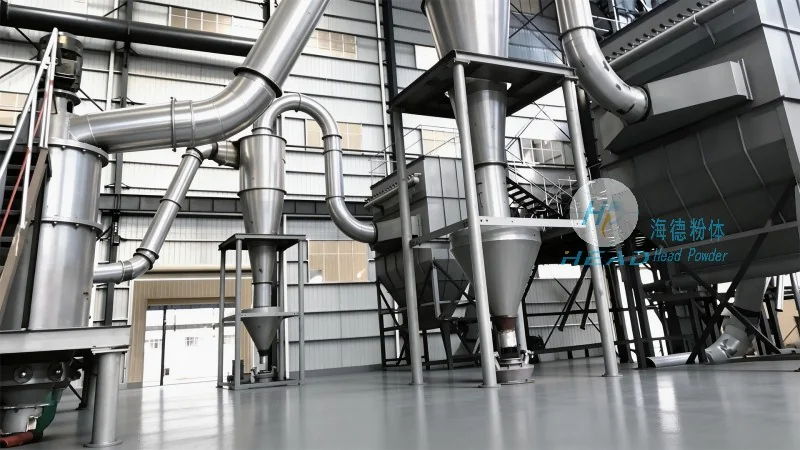
Advantages and Applications
The vacuum-pressure mixed type bulk material pneumatic conveying line offers several advantages over traditional conveying methods, including reduced product degradation due to gentle handling, lower energy consumption compared to pressure-only systems, and the ability to transport materials over long distances with minimal maintenance. This system is widely used in industries such as food processing, pharmaceuticals, chemicals, and mining, where the transport of dry bulk materials requires high precision and reliability. HeadPowder's expertise in engineering and manufacturing ensures that their vacuum-pressure mixed type pneumatic conveying lines are tailored to meet the specific needs of each client, providing customized solutions that enhance operational efficiency and product quality.




