Long-distance material pneumatic conveying lines are sophisticated systems designed to transport bulk materials over extended distances using air as the conveying medium. These systems are integral to various industrial applications, offering efficient and flexible solutions for material handling. The operation process and working principle of such lines involve several key components and steps that ensure reliable and continuous material transport.
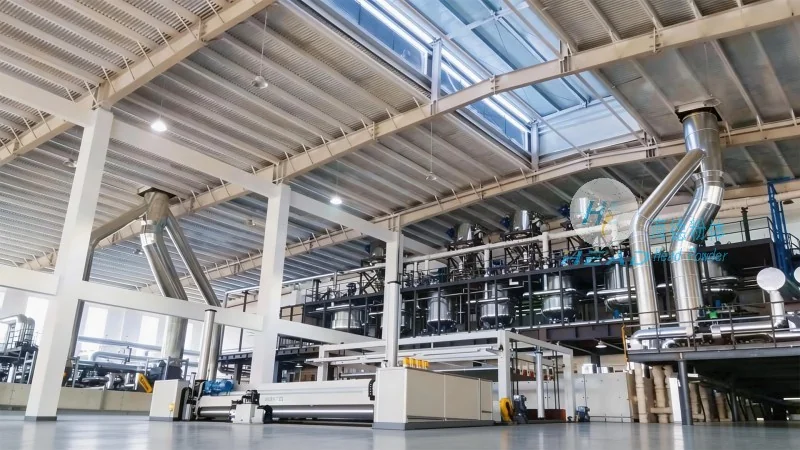
Key Components of Long-Distance Pneumatic Conveying Systems
At the core of a long-distance pneumatic conveying line are several essential components that work in tandem to facilitate material transport. The primary components include the material feeder, which introduces the bulk material into the system; the air compressor, which generates the necessary air pressure to move the material; the conveying line itself, typically made of flexible or rigid tubing; and the receiver, where the material is deposited. Additionally, control valves, filters, and dust collectors are often integrated to manage air flow, prevent contamination, and ensure system efficiency.
The Working Principle: How Pneumatic Conveying Works
The working principle of long-distance pneumatic conveying lines is based on the use of air to suspend and transport particles. In a typical system, the material feeder delivers the bulk material into the conveying line, where it is mixed with high-pressure air from the compressor. This air flow creates a fluidized state, allowing the material particles to be carried through the pipeline. The velocity of the air and the size of the material particles determine the conveying capacity and distance. As the material travels through the line, it may encounter bends, expansions, or other components that help maintain the flow and prevent blockages. The receiver at the end of the line collects the material, while the air is filtered and recycled back to the compressor, minimizing energy consumption and environmental impact.
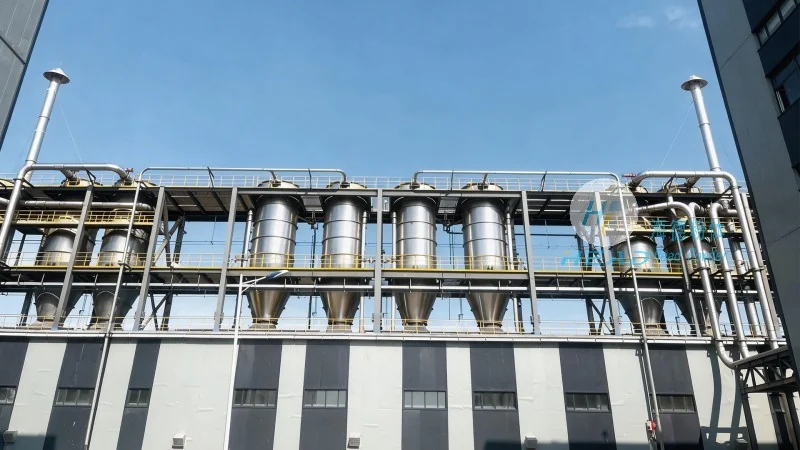
Operation Process: Step-by-Step Execution
The operation process of a long-distance pneumatic conveying line involves a series of coordinated steps to ensure smooth material transport. First, the system is prepared by checking the air compressor, ensuring it is properly pressurized and the air filters are clean. The material feeder is then loaded with the bulk material, and the system is started by activating the air compressor. As the air pressure builds, the material is drawn into the conveying line and begins to move. During operation, the system is monitored for pressure, flow rate, and material level to detect any anomalies. If the system experiences a blockage or pressure drop, the control valves may adjust the air flow or activate a purge cycle to clear the line. The material is continuously transported until the receiver is filled, at which point the system may be stopped or adjusted for the next batch.
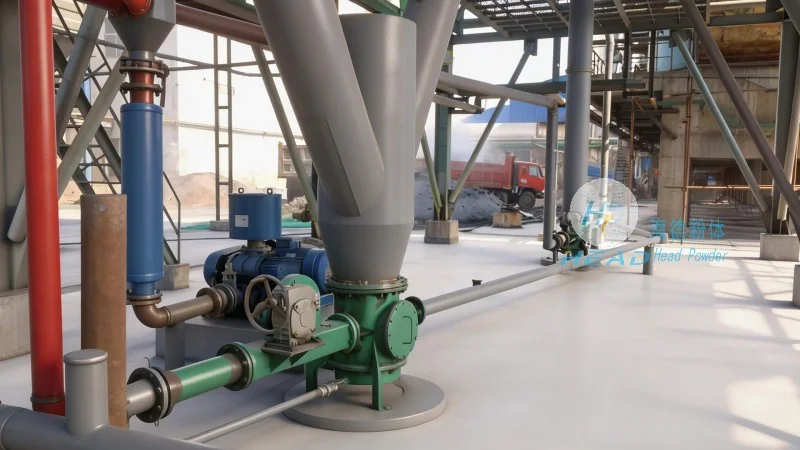
Advantages and Applications of Long-Distance Pneumatic Conveying
Long-distance pneumatic conveying lines offer several advantages over traditional material handling methods, such as belt conveyors or bucket elevators. These systems are highly flexible, allowing for changes in material flow direction and distance without major modifications. They are also capable of handling a wide range of materials, including powders, granules, and even bulk solids, with minimal degradation. The use of air as the conveying medium reduces the risk of material contamination and eliminates the need for mechanical contact, which is beneficial for sensitive products. Additionally, pneumatic conveying systems can be integrated with other processes, such as mixing or drying, to create a more comprehensive material handling solution.
HeadPowder Engineering: Expertise in Pneumatic Conveying Solutions
Shandong HeadPowder Engineering Co., Ltd. specializes in the design, manufacturing, and installation of long-distance material pneumatic conveying lines. With years of experience in the industry, HeadPowder provides customized solutions tailored to the specific needs of clients. The company’s team of engineers and technicians work closely with clients to understand their material handling requirements and develop efficient systems that meet their operational goals. HeadPowder’s products are designed to ensure high reliability, low maintenance, and energy efficiency, making them suitable for various industrial applications. The company’s headquarters is located in Shandong, China, where it maintains a state-of-the-art facility for research, development, and production. HeadPowder’s commitment to quality and customer satisfaction has made it a trusted partner for businesses seeking reliable pneumatic conveying solutions.




