Operation Process and Working Principle of Automatic Quantitative Powder Material Pneumatic Conveyin
Release time:2026-09-21 13:01:46
name of the company:Shandong Headpowder Engineering Co., Ltd.
telephone:156-6277-7102
contacts:Zhang manager
HeadPowder, a leading manufacturer based in Shandong, China, specializes in the design, development, and production of advanced pneumatic conveying systems for bulk powder handling. This article provides a detailed overview of the operation process and working principle of an automatic quantitative powder material pneumatic conveying line, highlighting the key components and the systematic approach to efficient material transport.
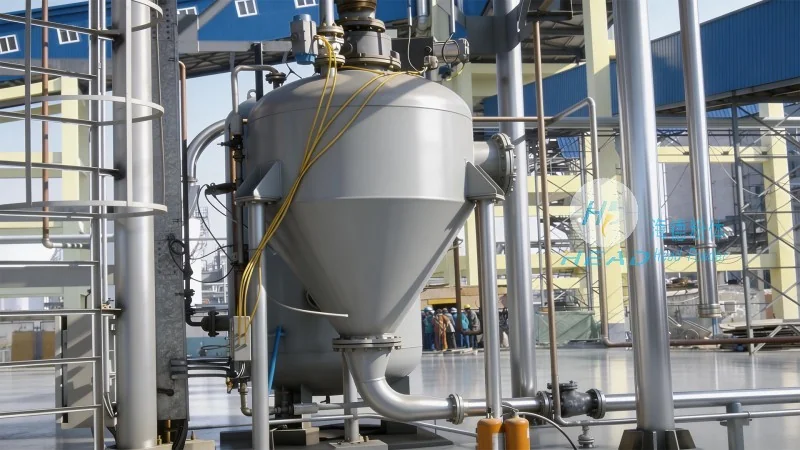
Introduction to the Automatic Quantitative Powder Material Pneumatic Conveying Line
The automatic quantitative powder material pneumatic conveying line is a sophisticated industrial system engineered to transport bulk powders with high precision and efficiency. This technology is widely used in various industries, including food processing, pharmaceuticals, chemicals, and minerals, where maintaining consistent material flow and accurate dosage is critical. The system integrates advanced automation and control technologies to ensure reliable performance and minimal human intervention, making it an essential solution for modern production lines.
Key Components of the Pneumatic Conveying System
The automatic quantitative powder material pneumatic conveying line consists of several core components that work in tandem to achieve seamless material transport. These components include:
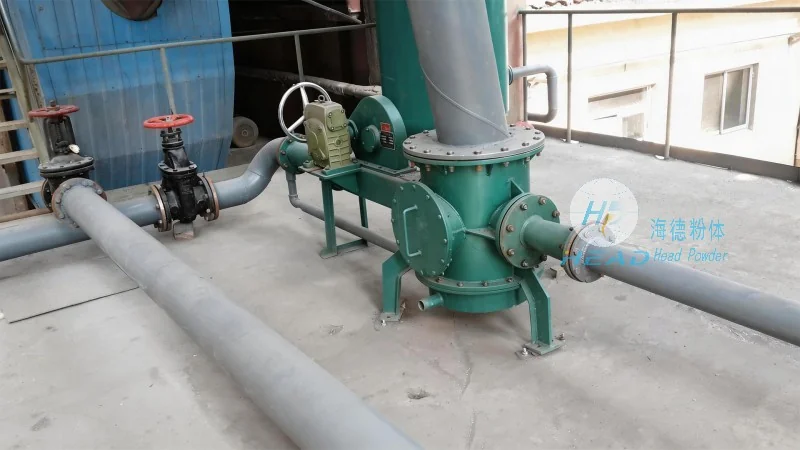
- Feed Hopper: A storage container that holds the bulk powder, providing a constant supply to the system. The hopper is equipped with a discharge valve to regulate the flow of material into the conveying line.
- Automatic Quantitative Feeder: This is the heart of the system, responsible for measuring and dispensing the exact amount of powder required for each batch. The feeder uses precise mechanisms, such as gravimetric or volumetric sensors, to ensure accurate dosing, minimizing material waste and optimizing production efficiency.
- Pneumatic Conveying Unit: Comprising a blower or compressor, this component generates the necessary air pressure to move the powder through the pipeline. The air flow is controlled to maintain consistent velocity and prevent material segregation or clogging.
- Conveying Pipeline: A network of pipes designed to transport the powder from the feeder to the discharge point. The pipeline is typically made of durable materials like stainless steel or plastic, ensuring resistance to corrosion and wear from the powder particles.
- Control System: An integrated control panel that monitors and regulates all operational parameters, including feed rate, air pressure, and material flow. The system uses sensors and feedback loops to adjust settings in real-time, ensuring optimal performance and preventing system failures.
- Discharge Unit: The final component where the powder is released from the pipeline, typically into a storage tank or processing equipment. The discharge unit is designed to handle the material smoothly, preventing spillage and maintaining cleanliness.
Operation Process of the Pneumatic Conveying Line
The operation of the automatic quantitative powder material pneumatic conveying line follows a systematic sequence, ensuring consistent and reliable material transport. The process can be broken down into the following steps:
- Material Loading: The bulk powder is loaded into the feed hopper from a bulk storage silo or direct from the production line. The hopper is designed to accommodate large volumes of material, ensuring a steady supply.
- Initial Feeding: The automatic quantitative feeder starts by drawing a small amount of powder from the hopper. The feeder's sensor measures the weight or volume of the material, and the control system records this data.
- Measurement and Dosing: The feeder continues to dispense the powder until the pre-set quantity is reached. This step is critical for applications requiring precise dosing, such as pharmaceutical manufacturing or chemical blending.
- Activation of Pneumatic Conveying: Once the required amount of powder is measured, the pneumatic conveying unit is activated. The blower generates a high-pressure air stream that pulls the powder particles into the pipeline.
- Pipeline Transport: The powder is carried through the conveying pipeline by the air flow. The system maintains a consistent air velocity to ensure the powder is transported without segregation or clogging. The pipeline design, including bends and valves, is optimized to minimize pressure loss and maintain material flow.
- Discharge and Collection: At the discharge end of the pipeline, the powder is released into the target container or processing equipment. The control system monitors the discharge process to ensure complete transfer and prevents any residual material from remaining in the pipeline.
- Cycle Completion: After the material is successfully transferred, the system returns to the initial state, ready for the next batch. The control system resets all parameters and prepares the feeder for the next feeding cycle.
Working Principle of the Pneumatic Conveying System
The working principle of the automatic quantitative powder material pneumatic conveying line is based on the fundamental concept of pneumatic transport, where solid particles are suspended and transported by a moving gas stream. The system operates by creating a pressure differential between the feed and discharge points, using the air flow to move the powder. The key principles involved include:
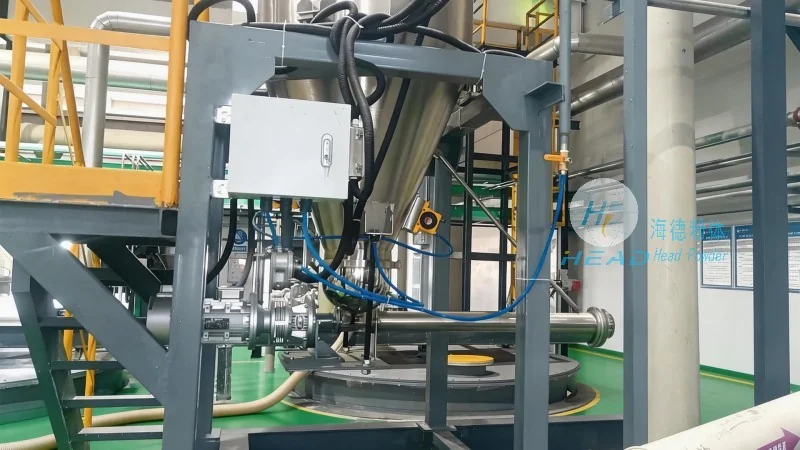
- Fluidization: The powder particles are fluidized by the air stream, meaning they behave like a fluid. This allows the particles to be carried through the pipeline without direct contact with the pipe walls, reducing friction and wear.
- Velocity Control: The air velocity is carefully controlled to ensure that the powder particles are fully suspended and transported without settling or clogging. The system uses sensors to monitor the air pressure and adjust the blower speed accordingly.
- Pressure Regulation: The system maintains a consistent pressure throughout the pipeline to ensure smooth material flow. Pressure sensors are used to detect any drops or increases in pressure, triggering adjustments to the air supply.
- Material Separation: The design of the conveying line, including the use of cyclones or filters at the discharge end, helps separate the powder from the air stream. This prevents dust contamination and ensures the material is delivered in a clean and dry state.
Advantages and Applications
The automatic quantitative powder material pneumatic conveying line offers several advantages that make it a preferred choice for industries requiring efficient and precise bulk powder handling. These benefits include:
- High Efficiency: The system minimizes material handling time and labor costs by automating the entire process, from feeding to discharge.
- Accurate Dosing: The automatic quantitative feeder ensures precise measurement and dispensing of powder, reducing errors and waste.
- Low Maintenance: The use of durable materials and advanced control systems reduces the need for frequent maintenance, lowering operational costs.
- Versatility: The system can handle a wide range of powder types, including fine, cohesive, and abrasive materials, making it suitable for diverse industrial applications.
- Space Efficiency: The pneumatic conveying line is compact and can be installed in tight spaces, making it ideal for facilities with limited floor area.
HeadPowder's automatic quantitative powder material pneumatic conveying line is designed to meet the specific needs of various industries, providing reliable and efficient material transport solutions. By integrating advanced technology and precision engineering, the system ensures consistent performance and contributes to improved productivity and quality in bulk powder handling operations.




