HeadPowder, a leading manufacturer based in Shandong, China, specializes in the design, manufacturing, and installation of advanced pneumatic conveying systems tailored for grain silos. These systems are essential for efficiently handling bulk materials like grains, cereals, and other agricultural products within storage facilities. The following sections detail the operational process and working principles of such systems, highlighting their efficiency and reliability in modern grain handling operations.
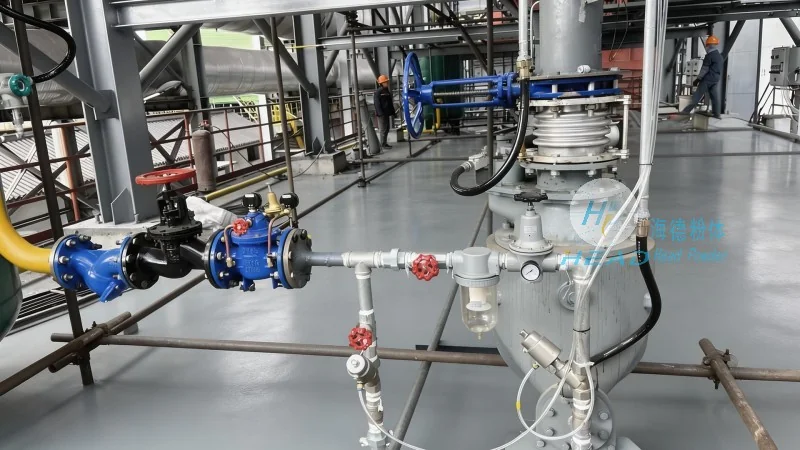
Overview of Pneumatic Conveying Systems in Grain Silos
At the core of grain silo operations, pneumatic conveying systems provide a non-contact, continuous method for transporting bulk materials from storage bins to processing areas or for transferring materials between different silos. Unlike traditional mechanical conveyors, these systems use air pressure to move materials, minimizing wear and tear on equipment and reducing the risk of contamination. HeadPowder's systems are engineered to meet the specific demands of grain handling, ensuring optimal performance and durability in challenging environments.
Key Components and Their Functions
HeadPowder's pneumatic conveying systems consist of several critical components, each playing a vital role in the overall operation. The main components include the hopper (or feed hopper), the air compressor, the conveying line (typically made of stainless steel or plastic), the control system, and the discharge hopper. The feed hopper is where bulk materials are loaded, and its design ensures uniform material flow into the system. The air compressor generates the necessary air pressure to create a vacuum or pressure differential that propels the material through the conveying line. The control system monitors and regulates the air pressure, flow rate, and material feed, ensuring smooth and consistent operation. The conveying line transports the material from the feed point to the discharge point, while the discharge hopper collects the material at the end of the line.
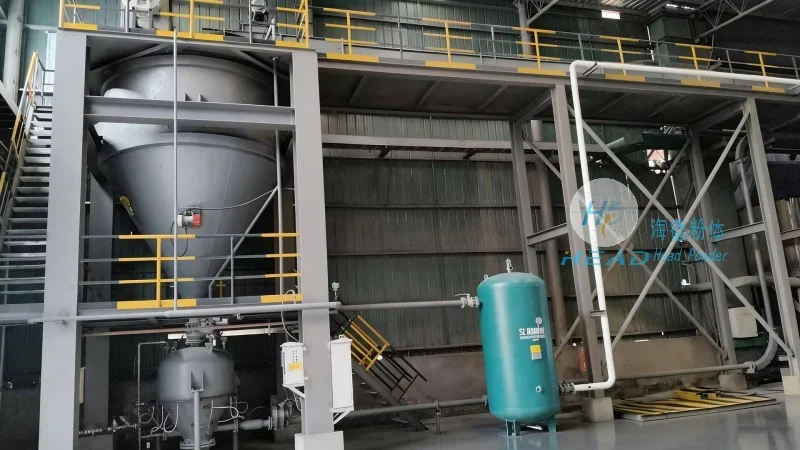
Operation Process: From Loading to Discharge
The operation of a pneumatic conveying system in a grain silo begins with the loading of bulk materials into the feed hopper. As the material is fed into the system, the air compressor activates, creating a pressure difference between the hopper and the discharge end. This pressure difference draws the material into the conveying line along with the air stream. The material is then transported through the line under the force of the air, reaching the discharge hopper where it is collected. The control system continuously adjusts the air pressure and flow rate to maintain a steady flow, preventing blockages or overloading. This process is typically automated, allowing for continuous operation without manual intervention, which enhances efficiency and reduces labor costs.
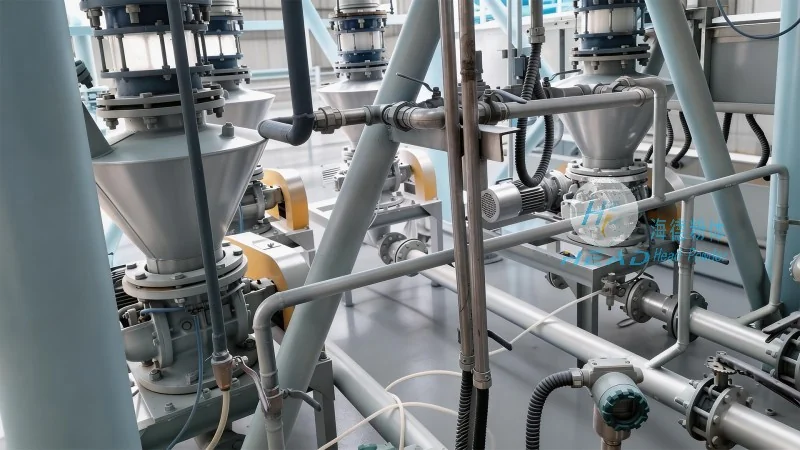
Working Principle: Air Pressure and Material Transport
The working principle of pneumatic conveying systems relies on the fundamental physics of fluid dynamics. When air is compressed and forced through the conveying line, it creates a low-pressure zone at the discharge end. This pressure differential pulls the material from the feed hopper into the line. The material is carried by the air stream, which can be either a vacuum (suction) or pressure (blowing) system. In suction systems, the air compressor creates a vacuum that draws material into the line, while in pressure systems, compressed air pushes the material forward. HeadPowder's systems often use a combination of both, known as a "sweeping" or "dual-mode" system, which offers flexibility in handling different materials and distances. The efficiency of the system depends on the air velocity, material properties (such as density and particle size), and the length and diameter of the conveying line. Proper design and maintenance of these components are crucial to ensure optimal performance and minimize energy consumption.
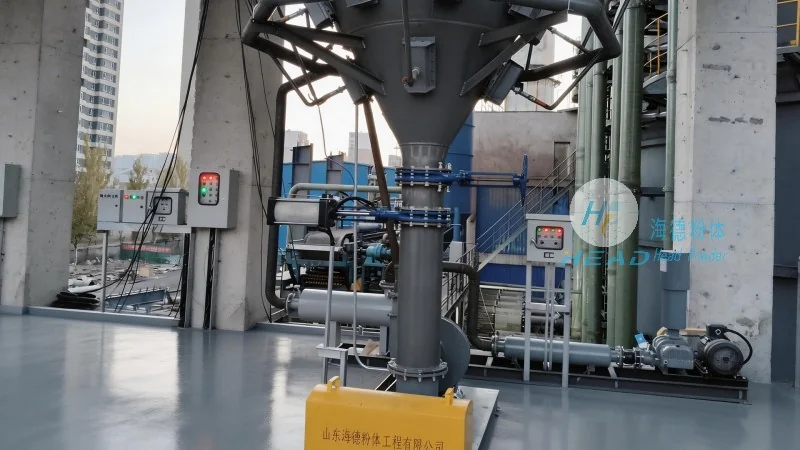
Advantages of Pneumatic Conveying Systems
Implementing pneumatic conveying systems in grain silos offers numerous advantages over traditional methods. Firstly, they provide a clean and hygienic method of material handling, as there is no direct contact between the material and the equipment, reducing the risk of contamination from dust or bacteria. Secondly, these systems are highly efficient, with minimal energy consumption compared to mechanical conveyors, especially over long distances. They also offer flexibility in layout, as the conveying line can be installed in various configurations, including vertical, horizontal, or a combination of both, to suit the specific layout of the grain silo facility. Additionally, pneumatic systems are less prone to maintenance issues, as they have fewer moving parts, which reduces downtime and maintenance costs. HeadPowder's systems are designed to maximize these advantages, ensuring reliable and cost-effective operation for grain storage and processing.
Application in Modern Grain Handling
Modern grain silos increasingly rely on pneumatic conveying systems to meet the demands of large-scale agricultural operations. These systems are particularly useful in facilities that require the transfer of large volumes of material quickly and efficiently. For example, in a grain processing plant, the system can transport harvested grains from storage silos to processing equipment, such as cleaners or dryers, without the need for manual handling. This not only improves operational efficiency but also enhances safety by reducing the risk of accidents associated with manual material handling. HeadPowder's expertise in designing and manufacturing these systems ensures that clients receive solutions tailored to their specific needs, whether for new construction or retrofitting existing silos. The company's commitment to quality and innovation has made it a trusted partner in the grain handling industry, providing reliable and efficient solutions for its clients.




