For industries dealing with grass powder and similar bulk materials, efficient material handling is crucial for maintaining production efficiency and operational safety. The pneumatic conveying line, specifically designed for grass powder, represents a sophisticated solution that integrates advanced engineering principles to ensure reliable and low-maintenance material transport. This article delves into the operation process and working principle of such a system, highlighting the key components, operational steps, and the technical advantages that make it an ideal choice for modern processing facilities.
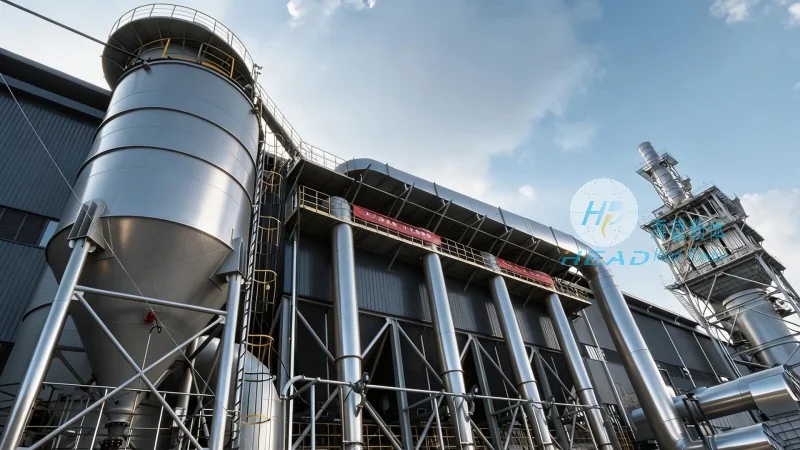
Introduction to Grass Powder Pneumatic Conveying Systems
Grass powder, derived from various forage crops, is a common raw material in the animal feed and biomass energy sectors. Handling this material requires specialized equipment due to its fine particle size, hygroscopic nature, and potential for dust generation. Traditional methods like belt conveyors or manual handling are often inadequate, leading to material loss, contamination, and increased labor costs. The pneumatic conveying line, manufactured by Shandong HeadPowder Engineering Co., Ltd., addresses these challenges by utilizing air as the primary transport medium, enabling a closed-loop, dust-free, and automated material transfer process.
Key Components of the Pneumatic Conveying Line
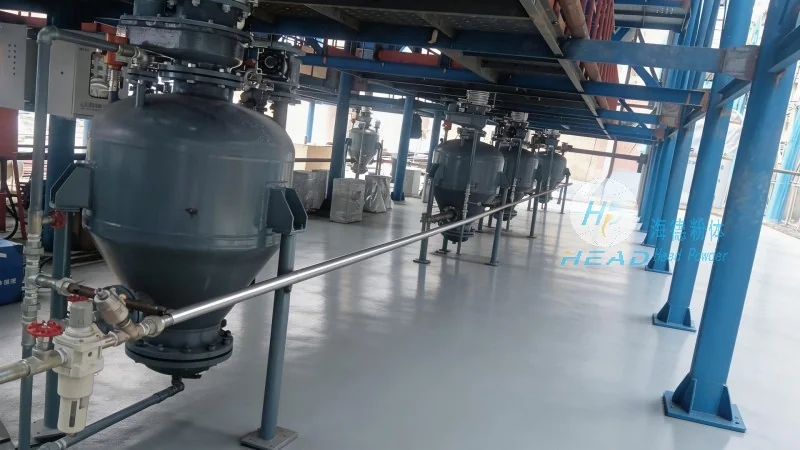
The pneumatic conveying system for grass powder typically consists of several critical components, each playing a vital role in the overall operation. These components include the material hopper, air compressor, conveying pipeline, dust collector, and control system. The material hopper is designed to store the grass powder and feed it into the system at a controlled rate, preventing blockages and ensuring a steady flow. The air compressor generates the necessary pressure to move the material through the pipeline, with options ranging from positive pressure to negative pressure systems depending on the application requirements. The conveying pipeline, often made of stainless steel or other corrosion-resistant materials, is configured in a loop or straight line to transport the material from the hopper to the discharge point. The dust collector is integrated to capture any airborne particles, ensuring compliance with environmental regulations and maintaining a clean working environment. The control system, equipped with sensors and automation features, monitors the flow rate, pressure, and other parameters to optimize performance and prevent system failures.
Operation Process of the Pneumatic Conveying Line
The operation of the grass powder pneumatic conveying line follows a systematic sequence that ensures efficient material transport. The process begins with the loading of grass powder into the material hopper. The hopper is equipped with a feeder mechanism, such as a rotary valve or screw conveyor, which regulates the material discharge rate. Simultaneously, the air compressor starts and generates compressed air, which is directed into the conveying pipeline. The compressed air creates a pressure differential that propels the grass powder particles through the pipeline. As the material moves, it is carried by the air stream, and the pipeline design ensures minimal particle separation and loss. The conveying system can handle both short and long distances, with the ability to branch off to multiple discharge points if required. Upon reaching the discharge point, the material is deposited into the receiving container, and the air is filtered and returned to the system or released safely. The control system continuously monitors the entire process, adjusting the air pressure and material feed rate as needed to maintain optimal performance.
Working Principle of the Pneumatic Conveying Line
The working principle of the pneumatic conveying line is based on the fundamental physics of fluid dynamics and particle transport. In a positive pressure system, compressed air is introduced into the material hopper, creating an overpressure that forces the grass powder into the conveying pipeline. The air and material mixture travels through the pipeline at high velocity, with the air providing the necessary kinetic energy to move the particles. The pipeline design, including bends and elbows, is optimized to minimize pressure loss and maintain the air-material mixture's stability. In a negative pressure system, the discharge end of the pipeline is under vacuum, drawing the material and air into the system. This approach is particularly useful for applications where dust containment is critical, as the vacuum helps to prevent material leakage. The key to the system's efficiency lies in the balance between air velocity and material feed rate. If the air velocity is too low, the material may settle and cause blockages; if it is too high, excessive energy consumption and particle degradation may occur. The system's design, including the size of the pipeline, the number of bends, and the type of air compressor, is carefully calculated to achieve this optimal balance.
Advantages of Using a Pneumatic Conveying Line for Grass Powder
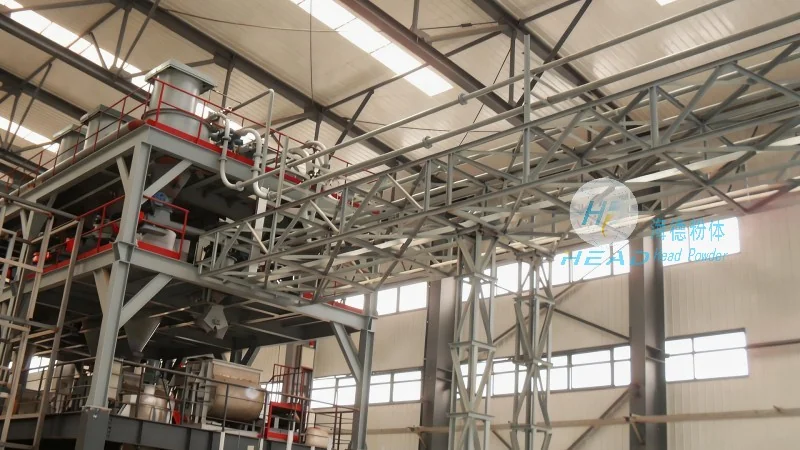
Implementing a pneumatic conveying line for grass powder offers numerous advantages over traditional material handling methods. Firstly, it provides a dust-free environment, which enhances workplace safety and reduces the risk of respiratory issues among operators. The closed-loop system also minimizes material loss, as compared to open conveyors where spillage is common. Additionally, the automated operation reduces labor costs and improves production consistency, as the system can operate continuously without manual intervention. The system's flexibility allows for easy integration with existing processing lines, and the ability to handle varying material feed rates makes it suitable for different production scales. Furthermore, the use of stainless steel and other corrosion-resistant materials ensures durability and longevity, reducing maintenance costs over the system's lifespan. The energy efficiency of modern air compressors and optimized pipeline designs also contribute to lower operational costs, making the pneumatic conveying line a cost-effective solution for grass powder handling.
Applications and Industries
The pneumatic conveying line for grass powder is widely used in various industries that require bulk material transport. In the animal feed industry, it is used to transfer forage materials from storage silos to feed mills, ensuring a consistent supply of raw material. In the biomass energy sector, the system is employed to transport grass powder to biomass boilers or pelletizing machines, facilitating the production of renewable energy. The food processing industry also benefits from this technology, as it enables the efficient handling of powdered ingredients in food production lines. Additionally, the system is applicable in the pharmaceutical and chemical industries for transporting fine powders, where dust control and hygiene are paramount. The versatility of the pneumatic conveying line makes it a valuable asset in any facility that processes bulk materials, providing a reliable and efficient solution for material handling needs.
Maintenance and Operational Considerations
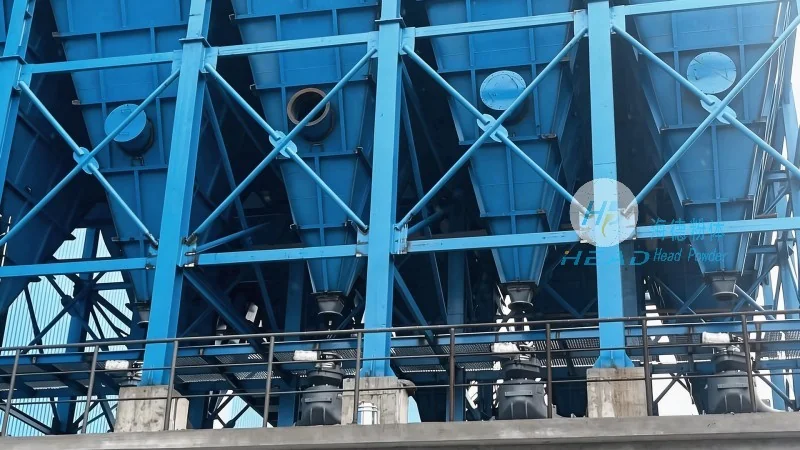
To ensure the long-term performance and reliability of the pneumatic conveying line, regular maintenance and proper operational practices are essential. The air compressor should be checked regularly for oil levels, filter cleanliness, and pressure output, as these factors directly impact the system's efficiency. The conveying pipeline should be inspected for any signs of wear, corrosion, or blockages, which can affect material flow and pressure. The dust collector should be cleaned periodically to maintain its filtration efficiency and prevent clogging. The control system sensors and components should be tested to ensure accurate monitoring and control of the process parameters. It is also important to follow the manufacturer's guidelines for material feed rates and air pressure settings to avoid system overload or damage. Proper training of operators on the system's operation and maintenance is crucial to prevent accidents and ensure optimal performance. By adhering to these maintenance and operational considerations, the pneumatic conveying line can provide reliable service for many years, delivering consistent material transport and contributing to the overall efficiency of the processing facility.
Conclusion
The pneumatic conveying line for grass powder, as designed and manufactured by Shandong HeadPowder Engineering Co., Ltd., represents a sophisticated and efficient solution for bulk material handling. Through its systematic operation process and sound working principles, the system ensures reliable, dust-free, and automated transport of grass powder, addressing the challenges associated with traditional handling methods. The key components, including the material hopper, air compressor, conveying pipeline, and control system, work in harmony to achieve optimal performance, while the advantages such as dust control, material conservation, and energy efficiency make it a cost-effective choice for various industries. With proper maintenance and operational practices, this system can deliver consistent performance, supporting the productivity and sustainability of processing facilities that rely on grass powder as a raw material. As the demand for efficient material handling continues to grow, the pneumatic conveying line remains a vital technology in modern industrial operations, providing a reliable and sustainable solution for bulk material transport.




