HeadPowder, a leading provider in the field of material handling solutions, specializes in the design, manufacturing, and installation of advanced pneumatic conveying systems. Based in Shandong, China, the company has established itself as a trusted partner for industries requiring efficient and reliable material transport. This article delves into the operation process and working principle of an automatic tonne bag feeding material pneumatic conveying line, highlighting the key components and mechanisms that enable seamless material handling.
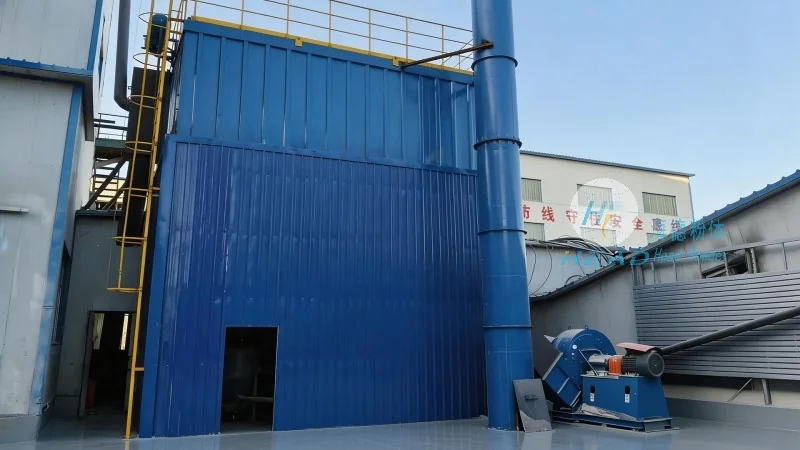
Key Components of the Pneumatic Conveying System
The automatic tonne bag feeding material pneumatic conveying line consists of several critical components that work in tandem to ensure efficient material transport. The primary elements include a tonne bag unloader, a hopper for material storage, a feeder to control the flow of material, a conveying pipeline, and a receiver for the discharged material. Each component plays a vital role in the overall system performance, contributing to the smooth and continuous operation of the conveying process.
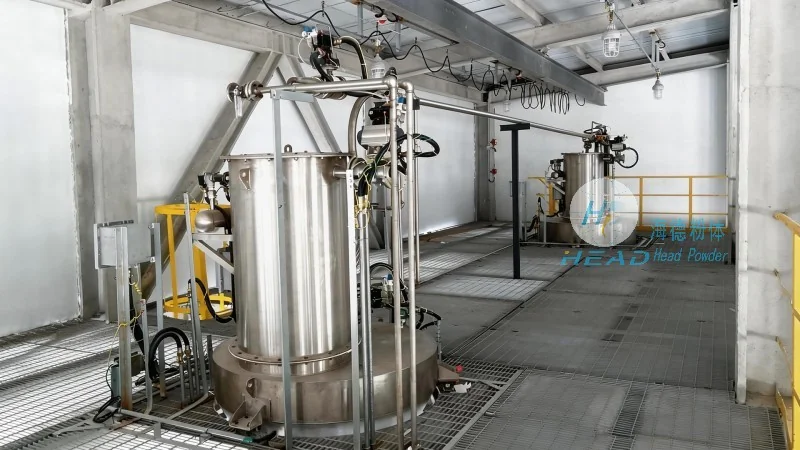
Operation Process of the Tonne Bag Feeding System
The operation of the automatic tonne bag feeding material pneumatic conveying line begins with the placement of a tonne bag containing the material to be conveyed. The tonne bag unloader, equipped with a mechanical or pneumatic mechanism, opens the bag and allows the material to fall into the hopper. The hopper then stores the material, and the feeder regulates the flow rate by controlling the opening size or speed, ensuring a consistent feed to the conveying system. The material is then drawn into the conveying pipeline through the action of a vacuum or pressure source, depending on the system design. The conveying pipeline transports the material from the hopper to the receiver, where it is collected and discharged for further processing or storage.
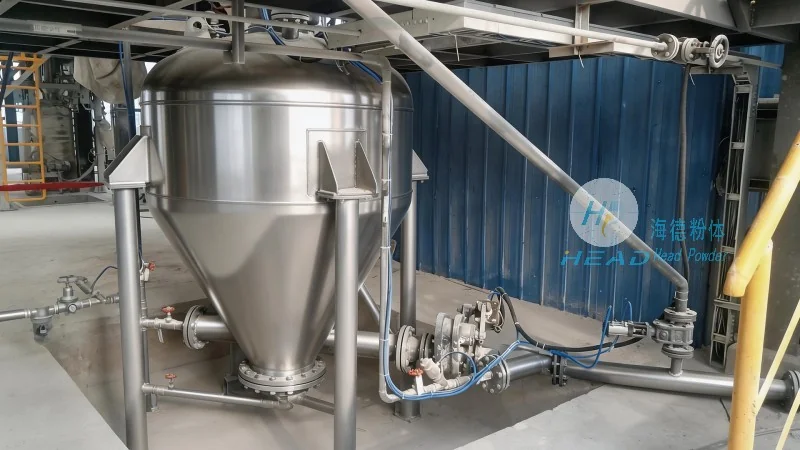
Working Principle of the Pneumatic Conveying Mechanism
The working principle of the pneumatic conveying system relies on the movement of air or gas to transport solid materials. In a typical suction-type system, a vacuum is created at the receiver end, which draws the material particles into the pipeline as air flows through. The material is carried along by the air stream, maintaining a suspension that prevents blockages and ensures smooth transport. The pressure-type system, on the other hand, uses compressed air to push the material through the pipeline from the hopper to the receiver. Both systems utilize the principles of fluid dynamics and particle motion to achieve efficient material transport. The system's efficiency is enhanced by the design of the hopper, feeder, and pipeline, which minimize material degradation and maximize throughput.
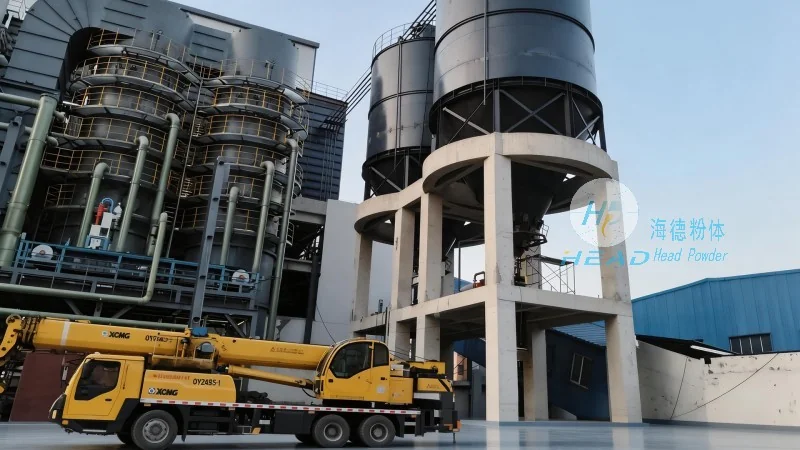
Advantages of the Automatic Tonne Bag Feeding Pneumatic Conveying Line
Implementing an automatic tonne bag feeding material pneumatic conveying line offers numerous advantages for industrial applications. The system provides a dust-free and hygienic material handling solution, reducing the risk of contamination and improving workplace safety. It also enhances operational efficiency by automating the feeding process, reducing labor costs and minimizing human error. The compact design of the system allows for easy integration into existing production lines, and the modular components enable flexibility in system configuration to meet specific material and process requirements. Additionally, the system's reliability and low maintenance requirements contribute to long-term cost savings and consistent performance.




