Water-in-powder material pneumatic conveying lines are advanced industrial equipment designed for the efficient transportation of powders mixed with water. These systems are widely used in various industries, including chemical, food, and pharmaceutical sectors, due to their ability to handle materials that are difficult to convey through traditional methods. The technology ensures minimal material loss, low maintenance requirements, and enhanced safety compared to other conveying solutions. This article will explore the operation process and working principles of such lines, providing a comprehensive understanding of their functionality and benefits.
Key Components of Pneumatic Conveying Systems
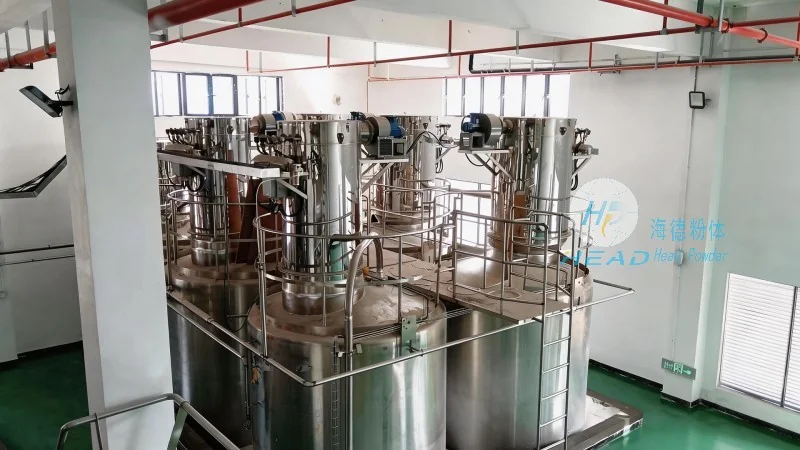
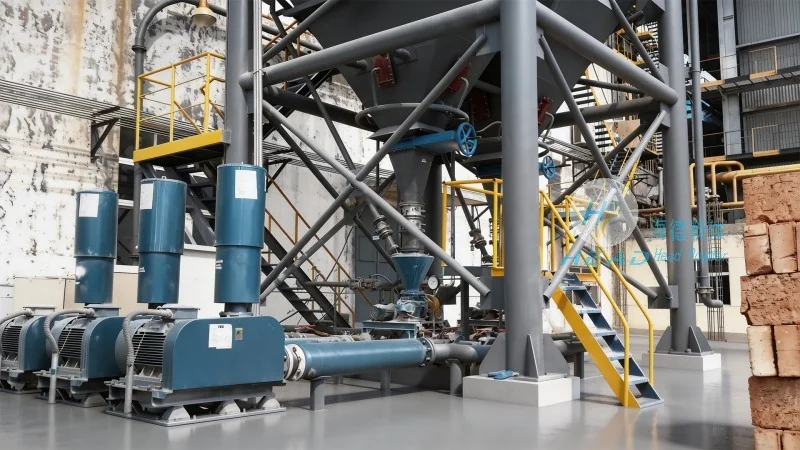
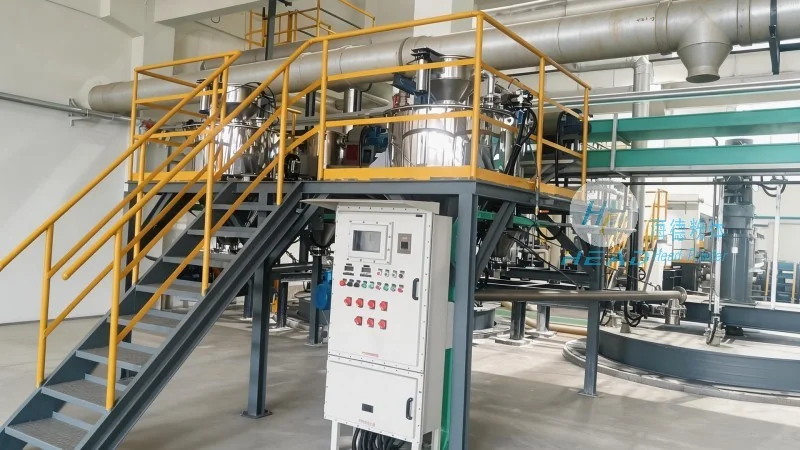
Before delving into the operation process, it is essential to understand the key components that make up a water-in-powder material pneumatic conveying line. The primary components include a feeding hopper, a pump or blower system, a conveying pipeline, a control panel, and a discharge unit. The feeding hopper is responsible for storing and feeding the powder-water mixture into the system. The pump or blower generates the necessary air pressure to move the material through the pipeline. The conveying pipeline, typically made of stainless steel or other corrosion-resistant materials, ensures the material is transported efficiently. The control panel allows operators to monitor and adjust the system parameters, such as air pressure and flow rate. The discharge unit collects the material at the end of the pipeline, completing the conveying process.
Operation Process of Water-in-Powder Material Pneumatic Conveying Lines
The operation process of a water-in-powder material pneumatic conveying line involves several sequential steps. First, the powder material is mixed with water in the feeding hopper to form a slurry. This slurry is then fed into the conveying pipeline by the pump or blower. The air pressure generated by the system propels the slurry through the pipeline to the discharge point. As the slurry travels, the water and powder separate slightly, with the powder particles being carried by the air stream. The system is designed to maintain a consistent flow rate, ensuring that the material reaches the destination without clogging or loss. The control panel plays a crucial role in regulating the air pressure and flow rate, ensuring optimal performance. The entire process is automated, allowing for continuous operation with minimal human intervention.
Working Principle of Pneumatic Conveying Technology
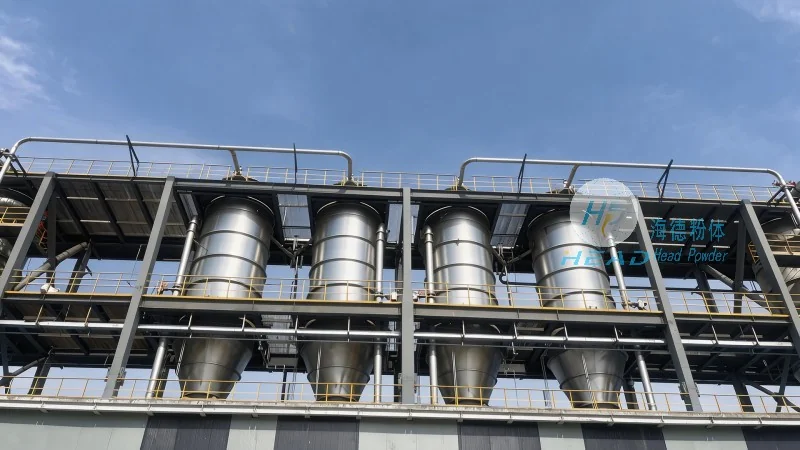
The working principle of water-in-powder material pneumatic conveying lines is based on the principles of fluid dynamics and particle transport. The system utilizes a combination of air pressure and the properties of the powder-water mixture to move the material. The pump or blower creates a pressure differential between the feeding and discharge points, causing the slurry to flow through the pipeline. The air stream carries the powder particles, while the water acts as a lubricant, reducing friction and preventing clogging. The design of the pipeline, including bends and valves, is optimized to minimize pressure loss and maintain the flow of the material. The system also incorporates safety features, such as pressure relief valves, to prevent over-pressurization and ensure safe operation.
Advantages of Water-in-Powder Pneumatic Conveying Lines
Water-in-powder material pneumatic conveying lines offer several advantages over traditional conveying methods. One of the primary benefits is the ability to handle materials that are difficult to convey, such as fine powders or those with high moisture content. The system minimizes material loss, as the slurry is contained within the pipeline, reducing the risk of dust or spillage. Additionally, the system is low maintenance, with fewer moving parts compared to other conveying solutions. The automated operation reduces labor costs and increases productivity. The stainless steel construction ensures durability and resistance to corrosion, making it suitable for a wide range of industrial applications. These advantages make water-in-powder pneumatic conveying lines an ideal choice for industries requiring efficient and reliable material transportation.
Applications in Various Industries
Water-in-powder material pneumatic conveying lines are used in a variety of industries due to their versatility and efficiency. In the chemical industry, these systems are used to transport powders such as cement, limestone, and chemicals. In the food industry, they are used to convey ingredients like flour, sugar, and spices, ensuring hygiene and minimal contamination. The pharmaceutical industry also benefits from these systems, as they can handle sensitive materials while maintaining sterility. Other applications include the transportation of minerals, agricultural products, and industrial chemicals. The adaptability of the system allows it to be customized for specific industry requirements, making it a versatile solution for various material handling needs.
Company Overview: Shandong HeadPowder Engineering Co., Ltd.
Shandong HeadPowder Engineering Co., Ltd., commonly known as headpowder, is a leading manufacturer of industrial conveying equipment. The company specializes in the design, manufacturing, and installation of water-in-powder material pneumatic conveying lines and other related systems. With a strong focus on quality and innovation, headpowder has established itself as a trusted partner in the industry. The company's products are known for their durability, efficiency, and reliability, meeting the needs of various industrial applications. Headpowder's team of experts provides comprehensive support, including technical consultation, installation, and maintenance services, ensuring that clients receive the best possible solution for their material handling requirements. The company is committed to providing high-quality products and services, contributing to the growth and success of its clients.
Conclusion
Water-in-powder material pneumatic conveying lines are an essential component of modern industrial operations, offering efficient and reliable material transportation solutions. The operation process and working principles of these systems are designed to maximize performance and minimize maintenance. With the support of companies like Shandong HeadPowder Engineering Co., Ltd., industries can benefit from advanced conveying technology that enhances productivity and reduces costs. As the demand for efficient material handling increases, water-in-powder pneumatic conveying lines will continue to play a crucial role in various industries, providing sustainable and effective solutions for the future.




