Shandong HeadPowder Engineering Co., Ltd., a leading provider in the field, specializes in the design and implementation of advanced pneumatic conveying systems tailored for straw powder materials. Based in Shandong, China, the company leverages decades of industry experience to deliver efficient and reliable solutions that meet the unique demands of agricultural and industrial applications. This article delves into the operational process and working principles of such systems, highlighting how they enhance material handling efficiency while ensuring minimal environmental impact.
Understanding Pneumatic Conveying Technology
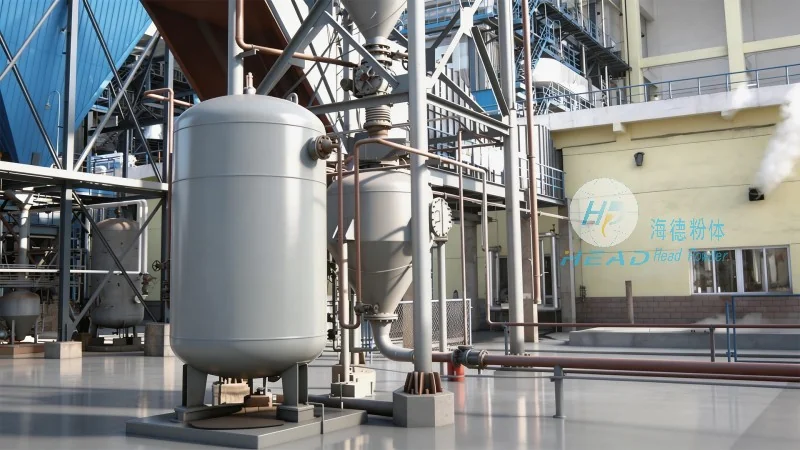
Pneumatic conveying, also known as pneumatic transport, is a method of transporting bulk materials through a pipeline using air or gas as the conveying medium. In the context of straw powder, this technology is particularly advantageous due to the material's fine particle size and potential for dust generation. The system typically consists of a series of components, including a material feeder, a blower or compressor, a pipeline network, and a discharge device. Each component plays a critical role in ensuring smooth and continuous material flow.
The Operational Process of Straw Powder Pneumatic Conveying Lines
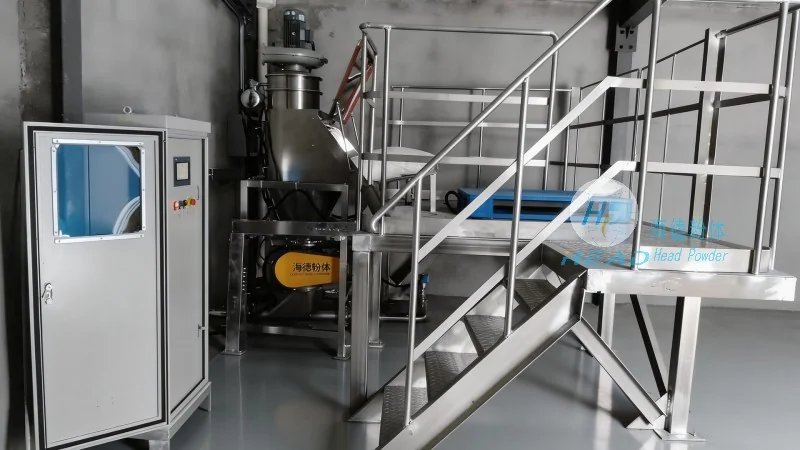
The operation of a straw powder pneumatic conveying line involves several key steps, each designed to optimize material movement from the source to the destination. The process begins with the material being fed into the system, often via a hopper or a rotary valve, which controls the flow rate and prevents blockages. The feeder then transfers the straw powder into the pipeline, where it is mixed with the air stream generated by the blower. The air velocity is carefully regulated to maintain a consistent flow, ensuring that the powder particles are suspended and transported efficiently.
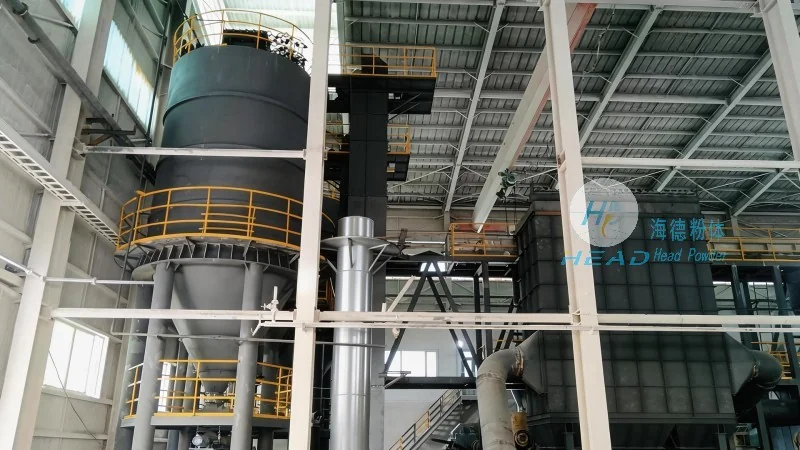
As the material travels through the pipeline, it encounters various sections, such as bends, expansions, or reductions, which are designed to minimize pressure loss and prevent material deposition. The pipeline network may include multiple branches or loops, allowing for the distribution of material to different destinations or storage areas. At the discharge end, the material is separated from the air using a cyclone separator or a filter, and then collected in a hopper or silo. The air, now clean, is either vented to the atmosphere or recirculated back into the system to enhance energy efficiency.
Key Working Principles and Technical Considerations
The effectiveness of a straw powder pneumatic conveying system relies on several fundamental principles. First, the air velocity must be sufficient to keep the powder particles in suspension, typically ranging from 20 to 30 meters per second for fine powders like straw. This velocity ensures that the particles do not settle or adhere to the pipeline walls, which could lead to blockages or reduced throughput. Second, the system must maintain a consistent pressure and flow rate to avoid fluctuations that could disrupt the material transport.
Another critical consideration is the material's properties, such as particle size, moisture content, and bulk density. Straw powder, being a natural agricultural product, often has a high moisture content and variable particle size, which can affect the conveying performance. The system design must account for these variations to ensure stable operation. For instance, a higher moisture content may increase the material's stickiness, requiring additional measures like heating or the use of anti-stick coatings on the pipeline to prevent clogging.
Benefits and Applications of Straw Powder Pneumatic Conveying Systems
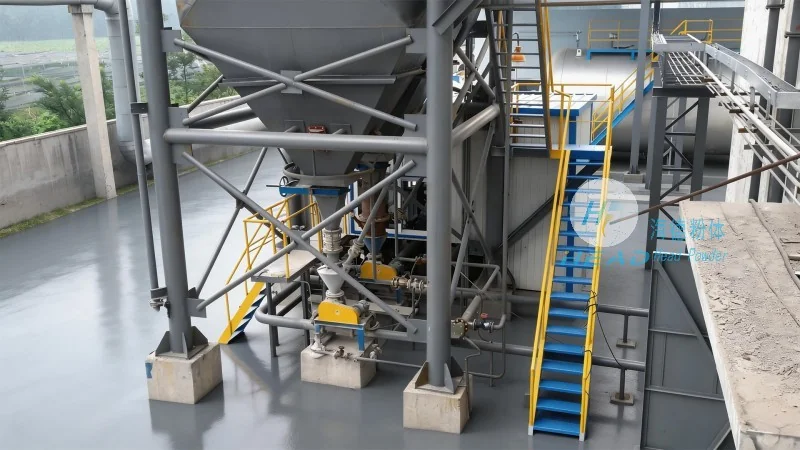
Implementing a pneumatic conveying system for straw powder offers numerous benefits that enhance operational efficiency and reduce costs. Unlike traditional mechanical conveying methods, such as belt conveyors or screw conveyors, pneumatic systems eliminate the need for moving parts in the material path, reducing maintenance requirements and downtime. This results in lower operational costs and increased reliability. Additionally, the system can handle materials with high dust content, as the air stream effectively captures and transports the particles, minimizing dust emissions and improving workplace safety.
Straw powder pneumatic conveying systems are widely used in various applications, including the production of biofuels, animal feed, and fertilizer. In biofuel production, the system efficiently transports straw powder from storage silos to processing facilities, ensuring a continuous supply of raw material. In animal feed manufacturing, the system helps in blending different ingredients, such as straw, grains, and additives, to produce uniform feed mixes. Similarly, in fertilizer production, the system aids in the transportation of straw-based organic matter to composting or processing units.




