Shandong HeadPowder Engineering Co., Ltd. specializes in providing advanced pneumatic conveying systems tailored for the efficient handling of calcined limestone material. This article delves into the operational process and underlying working principles of such equipment, highlighting its key components, functionality, and practical applications in industrial settings.
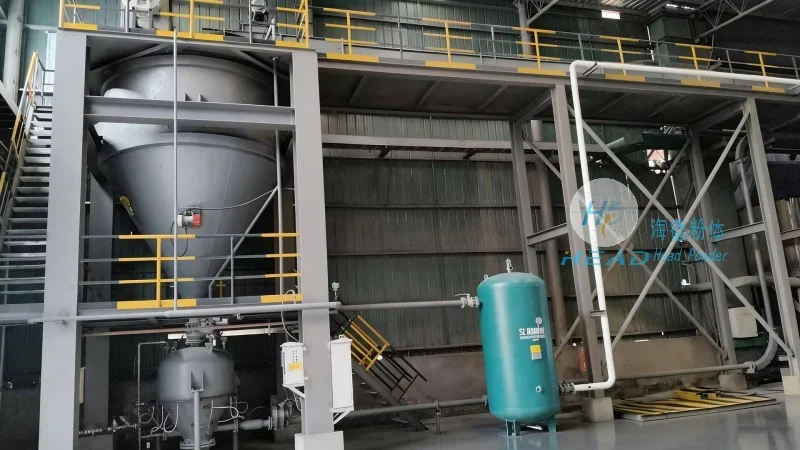
Key Components of the Pneumatic Conveyor System
The pneumatic conveyor for calcined limestone material typically comprises several critical components that work in tandem to ensure smooth material transport. These include the hopper for material storage, a rotary valve or feeder to control material discharge, a pipeline network for conveying the material, a blower or air compressor to generate the necessary airflow, and a dust collection system to maintain air quality and prevent contamination. Each component plays a vital role in the overall efficiency and reliability of the system.
Working Principle of the Pneumatic Conveyor
The operation of the pneumatic conveyor for calcined limestone material is based on the principle of pneumatic transport, where material is suspended and transported through a pipeline using a stream of air. The process begins with the material being fed from the hopper into the pipeline via the rotary valve. Simultaneously, the blower generates a high-velocity airflow that moves through the pipeline, creating a negative pressure (suction) or positive pressure (blowing) environment depending on the system design. As the material enters the pipeline, it is entrained by the airflow and carried to the destination point. The dust collection system is integrated to capture any fine particles that may be carried along with the material, ensuring compliance with environmental regulations and maintaining the quality of the conveyed material.
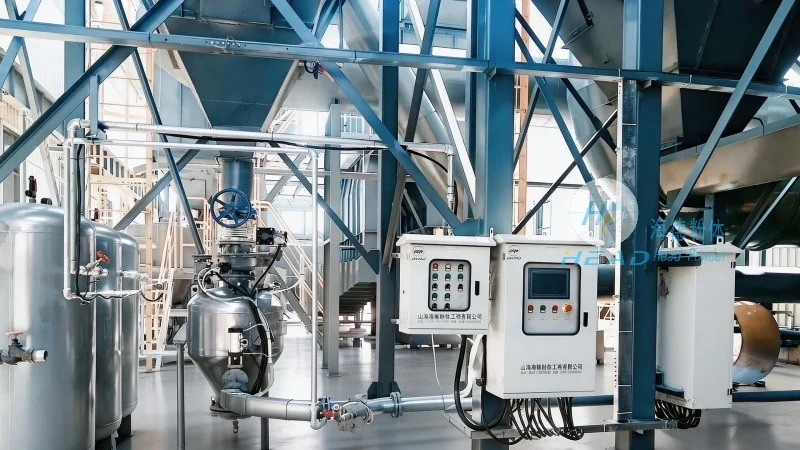
Operation Process: Step-by-Step Overview
The operational process of the pneumatic conveyor for calcined limestone material can be broken down into several sequential steps. First, the calcined limestone material is loaded into the hopper from a storage silo or other bulk handling equipment. The rotary valve then regulates the flow rate of the material, ensuring a consistent feed into the pipeline. Next, the blower activates and generates the required airflow, which is directed into the pipeline. The material, now mixed with the air, is conveyed through the pipeline to the receiving hopper or processing unit. At the destination, the material is separated from the air, often through a cyclone separator or other dedusting equipment, and collected for further use. The air, now free of dust, is either vented to the atmosphere or recirculated back into the system, depending on the design and environmental requirements.
Advantages of Using Pneumatic Conveyors for Calcined Limestone
Employing a pneumatic conveyor for calcined limestone material offers several advantages over traditional mechanical conveying methods. These include reduced labor costs due to automated material handling, improved safety by minimizing manual handling of bulk materials, and enhanced efficiency through continuous and unobstructed material flow. Additionally, pneumatic conveyors can handle materials with varying particle sizes and moisture content, making them versatile for different industrial applications. The system also allows for easy integration with other processing equipment, such as grinding mills or storage silos, facilitating a seamless material flow in production lines.
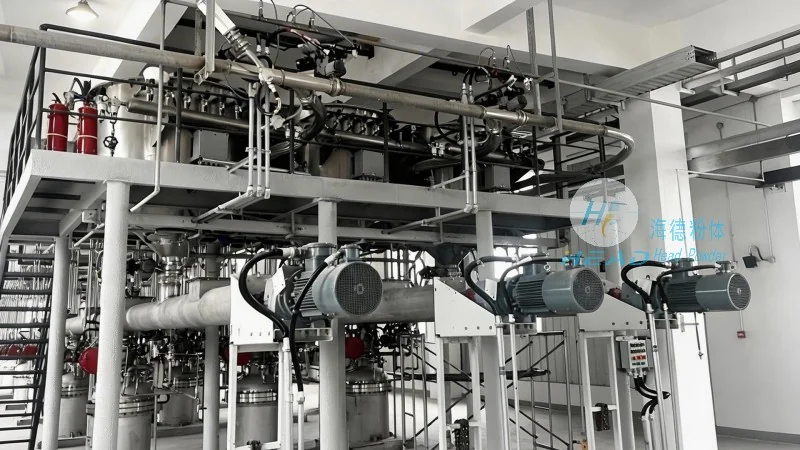
Applications and Industries
Pneumatic conveyors for calcined limestone material are widely used in various industries, including cement production, chemical processing, and mining operations. In cement plants, these systems are crucial for transporting raw materials like limestone to the kilns, ensuring a steady supply of feedstock for the production process. In chemical plants, they are used to convey limestone for acid neutralization or as a raw material in the manufacturing of calcium compounds. The mining industry also benefits from these systems for transporting crushed limestone from processing facilities to storage or shipping points. The adaptability of the pneumatic conveyor makes it suitable for a range of applications where efficient and reliable material transport is essential.
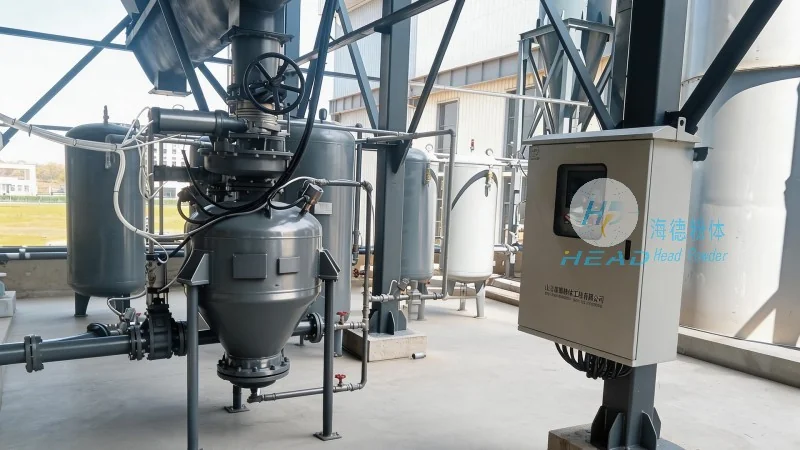
Maintenance and Operational Considerations
To ensure optimal performance and longevity of the pneumatic conveyor system, regular maintenance is essential. This includes checking the blower for proper airflow and pressure, inspecting the rotary valve for wear and tear, and cleaning the dust collection system to prevent clogging. Additionally, monitoring the material flow rate and pressure in the pipeline helps identify any potential issues before they escalate into major problems. Proper maintenance not only extends the lifespan of the equipment but also ensures consistent material quality and operational efficiency. It is recommended to follow the manufacturer's guidelines for maintenance schedules and procedures to maximize the system's performance and minimize downtime.
Conclusion
Shandong HeadPowder Engineering Co., Ltd. provides high-quality pneumatic conveying systems designed specifically for the efficient handling of calcined limestone material. By understanding the operation process and working principles of such equipment, industries can leverage these systems to enhance productivity, improve safety, and maintain environmental compliance. The advanced design and robust construction of these conveyors ensure reliable performance in demanding industrial environments, making them a preferred choice for material transport applications.




