Flaky graphite, a highly valued material in various industrial applications, often requires efficient and reliable transport solutions. Pneumatic conveying systems have emerged as a preferred method for handling flaky graphite due to their ability to transport materials in a dust-free environment while minimizing product degradation. This article delves into the operation process and working principle of a flaky graphite material pneumatic conveying machine, highlighting its key components, operational workflow, and practical applications.
Key Components and Their Functions
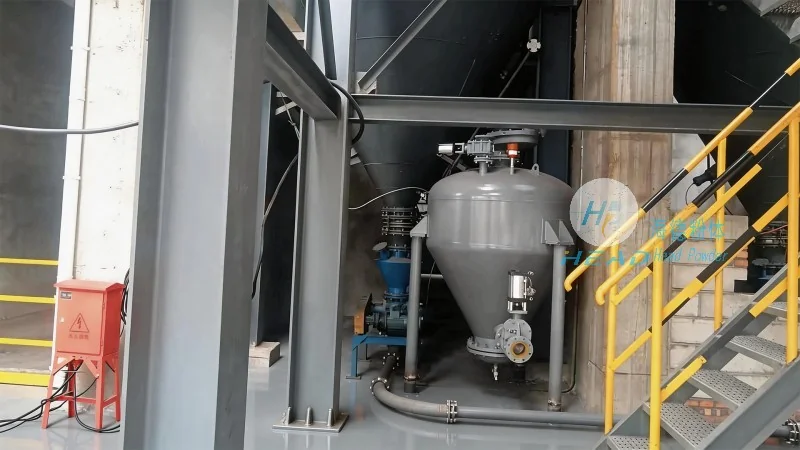
The flaky graphite pneumatic conveying system typically consists of several critical components that work in tandem to ensure smooth material transport. These include the hopper for material storage, a feeder to control the flow rate, a conveying pipeline, a dust collector to capture airborne particles, and a control system for monitoring and adjusting the process. Each component plays a vital role in maintaining the integrity of the flaky graphite and ensuring efficient operation.
The Operation Process of the Pneumatic Conveying System
The operation process begins with the loading of flaky graphite into the hopper. The feeder then regulates the material discharge rate, ensuring a consistent flow into the conveying pipeline. Compressed air is introduced into the system, creating a flow that propels the graphite particles through the pipeline. As the material travels, it is transported to the destination point, such as a storage silo or processing unit. The dust collector is activated to capture any fine particles that may escape, maintaining a clean and safe working environment.
Working Principle Explained
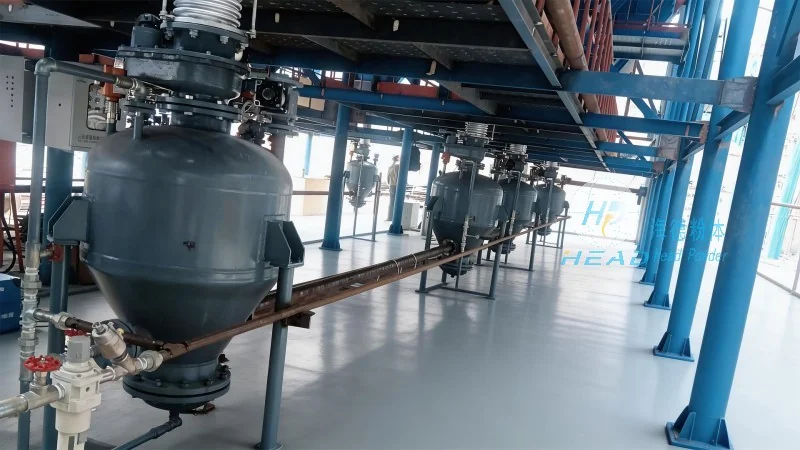
The working principle of the pneumatic conveying machine relies on the principles of fluid dynamics and particle transport. When compressed air is introduced into the conveying pipeline, it creates a low-pressure zone that draws the flaky graphite particles into the flow. The air velocity is carefully controlled to ensure that the particles are suspended and transported without causing excessive wear or degradation. The system uses a combination of positive and negative pressure zones to achieve efficient material movement, optimizing energy consumption and operational efficiency.
Advantages of Using Flaky Graphite Pneumatic Conveying Machines
Implementing a pneumatic conveying system for flaky graphite offers several advantages over traditional methods. These include reduced labor costs due to automated material handling, improved product quality by minimizing dust and contamination, and enhanced safety by eliminating manual handling of powders. Additionally, the system allows for flexible routing of the conveying pipeline, enabling easy integration into existing production lines. The low maintenance requirements and long service life of these machines further contribute to their cost-effectiveness.
Application Scenarios and Industry Use Cases
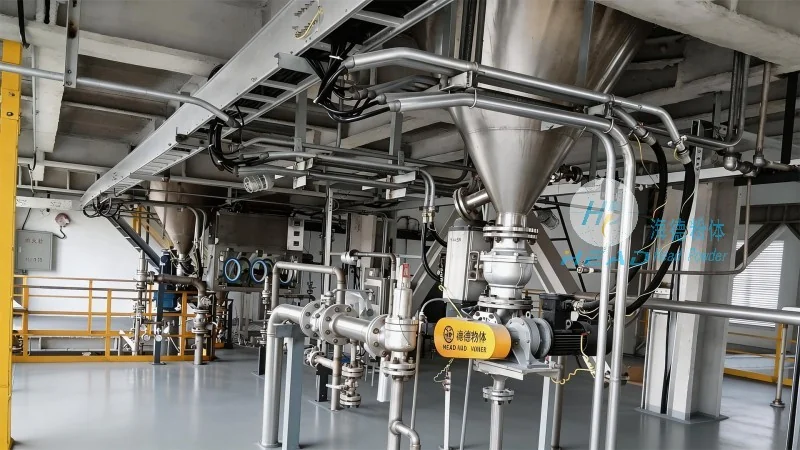
Flaky graphite pneumatic conveying machines are widely used in industries such as refractory manufacturing, battery production, and lubricant formulation. In refractory applications, the material is transported to mixing and molding processes, where it contributes to the production of high-quality refractory products. In battery manufacturing, the system ensures precise delivery of flaky graphite to electrode production lines, improving the performance and consistency of the final products. The versatility of the system makes it suitable for various applications where dust-free and efficient material transport is critical.
Company Profile and Technical Support
Shandong HeadPowder Engineering Co., Ltd., a leading manufacturer based in Shandong, China, specializes in the design and production of advanced pneumatic conveying equipment. With years of experience in the industry, the company provides customized solutions tailored to the specific needs of clients. Their technical support team offers comprehensive guidance on system installation, operation, and maintenance, ensuring optimal performance and longevity of the equipment. The company’s commitment to quality and innovation has made it a trusted partner for businesses seeking reliable material handling solutions.




