For industrial facilities seeking to comply with stringent environmental regulations while maintaining operational efficiency, the dry flue gas desulfurization (FGD) system stands as a critical technology. This equipment is designed to remove sulfur dioxide (SO₂) from exhaust gases, thereby reducing air pollution and contributing to sustainable industrial practices. The following overview provides a detailed look at the key components, structural design, and operational principles of such systems, highlighting the expertise of Shandong HeadPowder Engineering Co., Ltd. in providing reliable solutions for flue gas treatment.
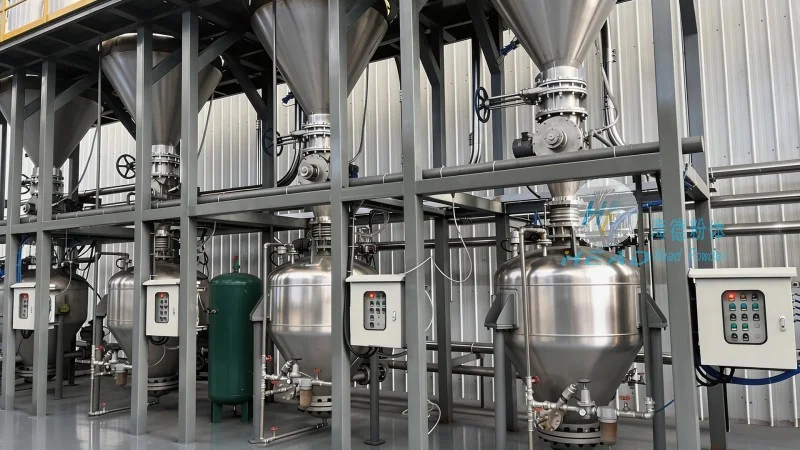
Key Equipment in Dry Desulfurization Systems
The dry FGD system typically comprises several core components that work in tandem to achieve effective sulfur removal. These include the gas inlet and outlet ducts, the desulfurization reactor or reaction chamber, the sorbent feeding system, and the dust collection or separation unit. Each component plays a vital role in the overall process, ensuring that the flue gas is treated efficiently and safely. The gas inlet duct is responsible for directing the exhaust gas from the boiler or furnace into the system, while the outlet duct carries the treated gas to the stack. The desulfurization reactor is where the actual chemical reaction occurs, typically involving a sorbent such as limestone or calcium carbonate that reacts with SO₂ to form a solid byproduct. The sorbent feeding system ensures a consistent and controlled supply of the sorbent to the reactor, optimizing the reaction efficiency. Finally, the dust collection unit removes any residual particulate matter or byproducts from the gas stream, preventing contamination and ensuring compliance with emission standards.
Structural Design and Operational Principles
The structural design of a dry desulfurization system is engineered to maximize efficiency and durability under harsh operating conditions. The reactor is often constructed from corrosion-resistant materials, such as stainless steel or specialized alloys, to withstand the acidic environment generated during the desulfurization process. The system may also incorporate features like heat recovery or moisture control to enhance performance and reduce energy consumption. The operational principle revolves around the chemical reaction between the flue gas and the sorbent. When the exhaust gas containing SO₂ passes through the reactor, it comes into contact with the sorbent particles. The SO₂ reacts with the calcium or magnesium compounds in the sorbent to form calcium sulfite or calcium sulfate, which is then collected as a solid waste. This process is typically carried out at temperatures between 150°C and 250°C, depending on the specific system design and the properties of the sorbent used. The efficiency of the system is influenced by factors such as gas flow rate, sorbent dosage, and reaction time, all of which are carefully controlled to achieve optimal sulfur removal rates.
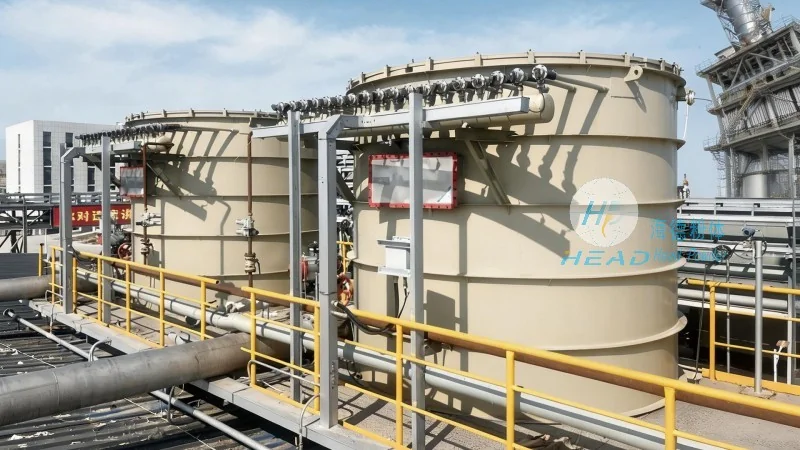
Advantages of Dry FGD Systems
Compared to wet FGD systems, dry desulfurization systems offer several advantages that make them an attractive choice for many industrial applications. One of the primary benefits is the reduced water usage, as there is no need for large water treatment or disposal systems. This not only lowers operational costs but also minimizes the environmental impact associated with water consumption. Additionally, dry systems typically have a smaller footprint and lower capital costs, making them more suitable for facilities with limited space or budget constraints. The solid byproducts from dry systems are also easier to handle and dispose of, as they do not require dewatering or additional processing steps. Furthermore, the technology is highly reliable and can be integrated with existing boiler systems with minimal modifications, ensuring a smooth transition to compliance with environmental regulations.
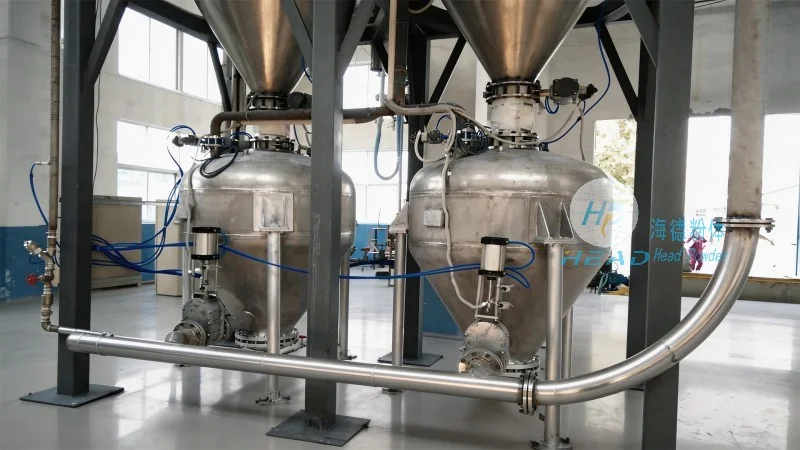
Applications and Industries
Dry flue gas desulfurization systems are widely used across various industries that generate sulfur dioxide emissions, including power generation, cement production, and industrial heating. In power plants, these systems are crucial for reducing the sulfur content in flue gases from coal-fired boilers, helping to meet national and international emission standards. The cement industry also benefits from dry FGD systems, as they help to control emissions from kilns and preheaters. Other applications include industrial facilities that use fossil fuels for heat or power generation, such as refineries and chemical plants. The versatility of the dry desulfurization technology makes it suitable for a wide range of flue gas compositions and operating conditions, ensuring that it can be adapted to meet the specific needs of different industries.
Conclusion and Company Overview
Shandong HeadPowder Engineering Co., Ltd. specializes in the design, manufacturing, and installation of dry flue gas desulfurization systems, providing comprehensive solutions for industrial air pollution control. With a focus on innovation and quality, the company has developed advanced technologies that enhance the efficiency and reliability of flue gas treatment processes. HeadPowder's expertise in material selection, system integration, and operational optimization ensures that their dry desulfurization systems deliver superior performance and long-term value to clients. Based in Shandong, China, HeadPowder serves a global market, offering tailored solutions that meet the unique requirements of each project. By combining cutting-edge engineering with practical application, HeadPowder continues to be a leader in the field of flue gas desulfurization, helping industries to achieve environmental compliance while maintaining operational excellence.




