For industrial applications requiring efficient and controlled material handling, vacuum negative pressure pneumatic conveying systems offer a reliable solution. This technology is widely used in various sectors, including pharmaceuticals, food processing, and chemical manufacturing, where maintaining product integrity and safety is paramount. The following overview delves into the fundamental aspects of this system, focusing on its structural design and operational principles.
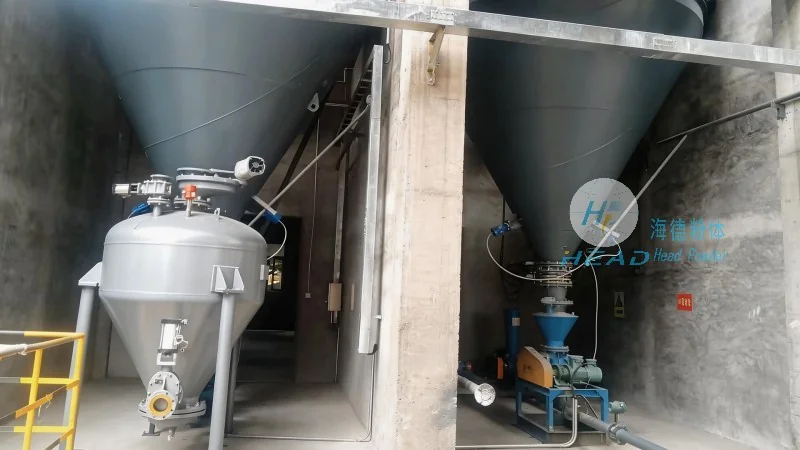
Understanding Vacuum Negative Pressure Pneumatic Conveying
Vacuum negative pressure pneumatic conveying operates by creating a negative pressure (or vacuum) in the conveying line to draw material from a source into a collection or processing unit. Unlike positive pressure systems that force material through the line, negative pressure systems rely on suction to move powders or bulk solids. This method is particularly advantageous for applications where dust control, product contamination, and gentle handling are critical. The system typically consists of several key components that work in tandem to achieve efficient material transport.
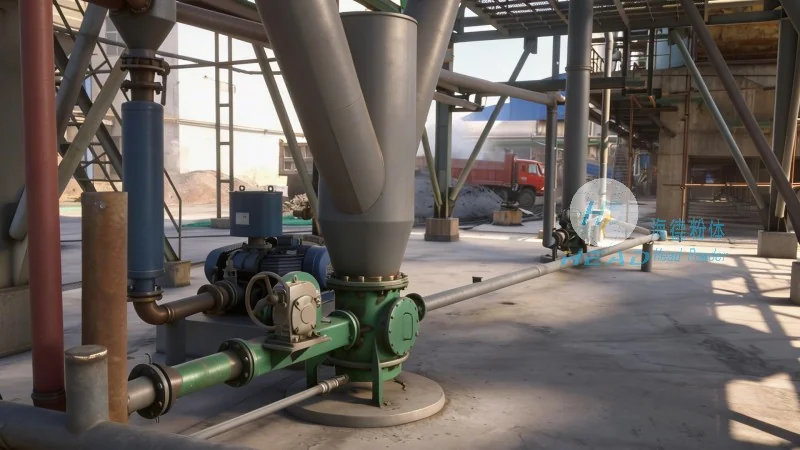
Core Components and Structural Design
The structural design of a vacuum negative pressure pneumatic conveying system is engineered to ensure optimal performance and durability. Key components include the vacuum pump, which generates the necessary suction force; the conveying line, often made of stainless steel or other corrosion-resistant materials to handle various materials; and the material feed hopper, which stores and feeds the bulk material into the system. Additionally, the system may incorporate filters and cyclones to separate conveyed material from air, ensuring clean operation and preventing product loss or contamination.
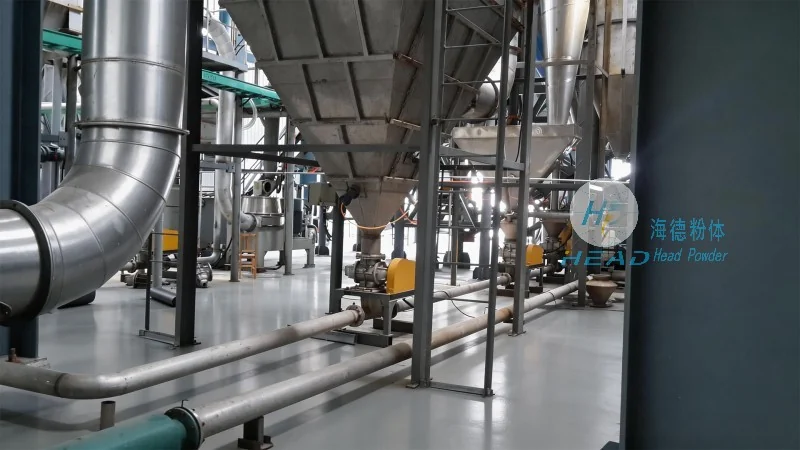
Operational Principle and Flow Dynamics
The operational principle of vacuum negative pressure pneumatic conveying involves creating a pressure differential between the source and the collection point. The vacuum pump draws air and material from the source, transporting them through the line to the receiver. The flow dynamics are carefully managed to maintain consistent material velocity and prevent blockages or clogging. This is achieved through the use of appropriate pipe diameters, bends, and valves that minimize friction and turbulence. The system is designed to handle a wide range of materials, from fine powders to larger granules, with minimal degradation or segregation.
Advantages and Applications
Vacuum negative pressure pneumatic conveying offers several advantages over other material handling methods. Its ability to handle sensitive materials without damage, combined with effective dust control, makes it ideal for industries where product quality and safety are non-negotiable. Additionally, the system is relatively compact and can be integrated into existing facilities, reducing installation costs and space requirements. Common applications include conveying powders in pharmaceutical manufacturing, food processing, chemical processing, and mineral processing, where precise control over material movement is essential.
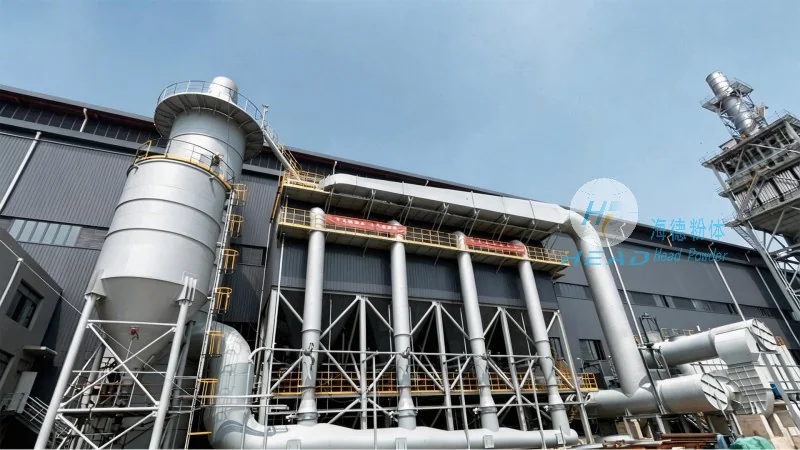
About Shandong HeadPowder Engineering Co., Ltd.
HeadPowder, or Shandong HeadPowder Engineering Co., Ltd., is a leading manufacturer and supplier of advanced material handling solutions, including vacuum negative pressure pneumatic conveying systems. With a focus on innovation and quality, the company provides customized solutions tailored to the specific needs of its clients. HeadPowder's products are engineered to meet the highest industry standards, ensuring reliability, efficiency, and durability. The company's headquarters is located in Shandong, China, where it leverages local expertise and resources to deliver cutting-edge technology to global markets.




