Loess pneumatic conveying is a key technology in material handling, particularly for transporting fine powders like loess. This method utilizes air as the medium to move particles through a pipeline system. The process is efficient and suitable for applications where traditional mechanical conveying may face challenges due to material properties such as dustiness or abrasiveness. By understanding the fundamental structure and operational principles, users can better appreciate its advantages and practical applications.
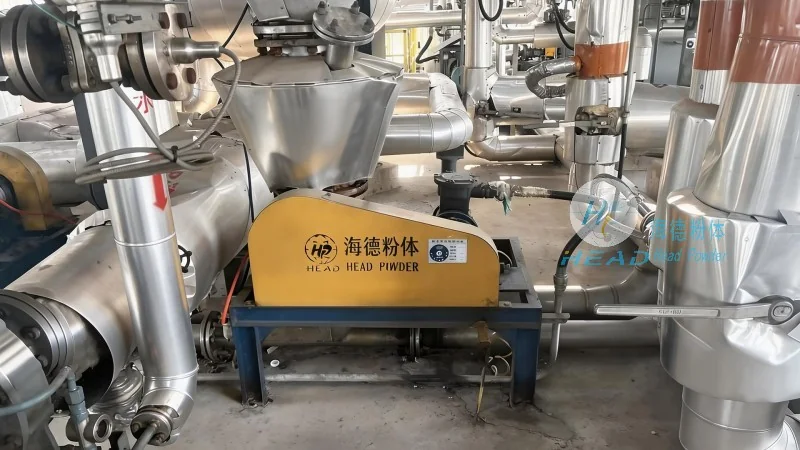
Core Components of the Pneumatic Conveying System
The pneumatic conveying system for loess typically consists of several critical components that work in tandem to ensure smooth material transport. These include the material hopper, which stores the loess and feeds it into the system; the air compressor or blower, which generates the necessary air pressure to move the particles; the conveying pipeline, which forms the main pathway for the material and air mixture; and the discharge device, which collects the material at the destination. Each component plays a vital role in maintaining the system's efficiency and reliability.
Working Principle of Loess Pneumatic Conveying
The operation of a loess pneumatic conveying system is based on the principle of air flow and particle suspension. When the air compressor starts, it creates a high-pressure air stream that enters the conveying pipeline. The material hopper then releases loess into the pipeline, and the air flow lifts and transports the particles. The air and material mixture travels through the pipeline to the discharge point, where the material is separated from the air, often through a cyclone separator or other filtration equipment. This separation process ensures that the loess is delivered to the target location while the air is either recirculated or vented, depending on the system design.
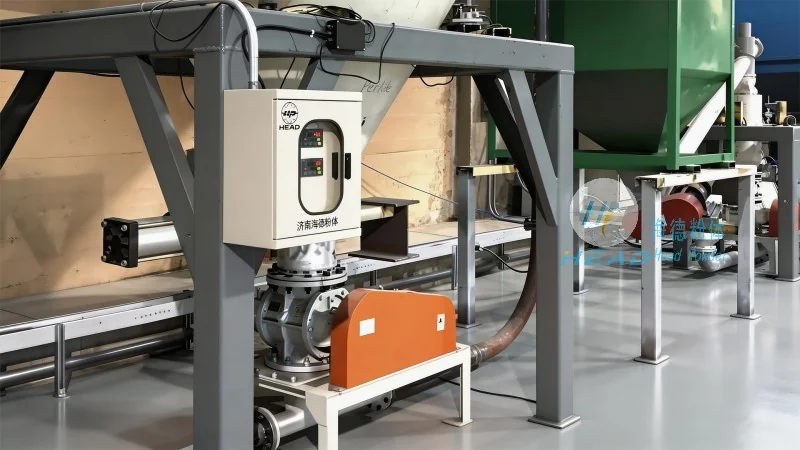
Structural Design Considerations for Loess Pneumatic Conveying
The structural design of a loess pneumatic conveying system must account for several factors to optimize performance and durability. Material selection is crucial, as the components are exposed to abrasive loess particles and high air pressures. Stainless steel or special alloys are often used for parts that come into direct contact with the material to prevent wear and corrosion. The pipeline design, including the diameter and length, affects the air velocity and pressure requirements. Properly sized pipelines ensure that the air velocity remains within the optimal range for particle suspension, preventing blockages or excessive energy consumption. Additionally, the system's layout considers the vertical and horizontal distances between the hopper and discharge point, as these affect the overall pressure drop and energy efficiency.
Advantages of Loess Pneumatic Conveying
Loess pneumatic conveying offers several advantages over traditional mechanical conveying methods. One of the primary benefits is the ability to handle fine, dusty materials without the need for additional dust control measures, as the system inherently contains the material within the pipeline. This reduces the risk of dust dispersion and improves workplace safety. Another advantage is the system's flexibility, as it can be easily integrated into existing production lines or reconfigured for different material types or transport distances. The process is also relatively low maintenance, as there are fewer moving parts compared to mechanical conveyors, and it can operate continuously without frequent stops. Furthermore, pneumatic conveying systems can handle varying material flow rates, making them suitable for both small-scale and large-scale applications.
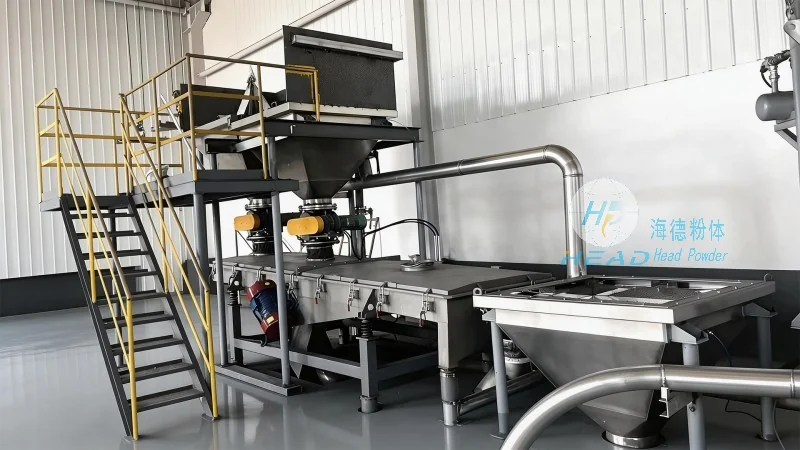
Applications in Industrial Settings
Loess pneumatic conveying is widely used in various industrial sectors where fine powders are involved. In the construction industry, it is used to transport loess for brick-making or cement production, ensuring consistent material quality and reducing manual handling. In the chemical industry, it helps transport powders such as fertilizers or pigments, maintaining product integrity and preventing contamination. The food industry also benefits from this technology, as it allows for the safe and hygienic transport of powdered ingredients without cross-contamination. Additionally, in the mining sector, loess pneumatic conveying is employed to move fine ore particles from processing plants to storage or further processing units.
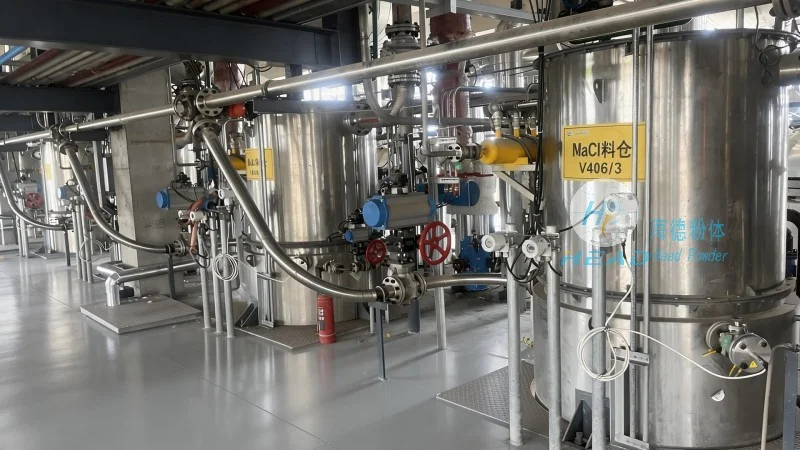
Company Profile: Shandong HeadPowder Engineering Co., Ltd.
Headpowder, the Shandong-based company, specializes in the design, manufacturing, and installation of pneumatic conveying systems tailored for loess and other fine powders. With a focus on engineering excellence and customer satisfaction, HeadPowder has established itself as a leading provider in the material handling industry. The company's team of experienced engineers and technicians work closely with clients to understand their specific needs and develop customized solutions that meet operational requirements and budget constraints. HeadPowder's commitment to quality is evident in its adherence to international standards and rigorous testing protocols for all components and systems.
Location and Contact Information
HeadPowder Engineering Co., Ltd. is located in Shandong, China. The company's headquarters and manufacturing facilities are situated in this region, providing easy access to local resources and a strong supply chain network. While specific contact details are not provided in this document, potential clients can reach out to the company through its official channels to inquire about its products and services. HeadPowder's presence in Shandong underscores its local expertise and ability to serve the regional and national markets effectively.




