Wheat bran pneumatic conveying systems are critical in the processing and handling of agricultural byproducts, especially within the milling industry. These systems efficiently transport wheat bran—an essential byproduct of wheat processing—from one location to another using air as the conveying medium. This article provides an overview of the structure and working principles of such systems, highlighting key components and operational mechanisms that enable effective and reliable transportation.
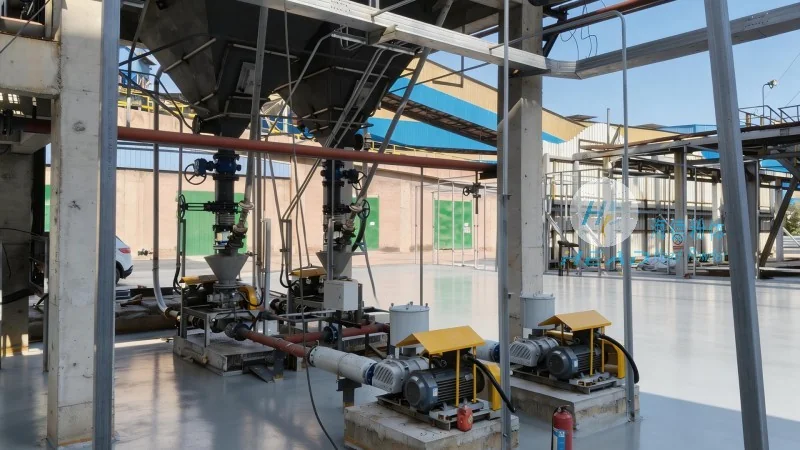
Overview of Wheat Bran Pneumatic Conveying Systems
Wheat bran pneumatic conveying systems are engineered to handle the unique characteristics of wheat bran, including its fine particle size, lightweight nature, and propensity for dust generation. The primary objective of these systems is to move bran from storage silos, processing units, or other origins to destinations like storage bins, packaging lines, or waste management facilities. The efficiency and reliability of these systems are vital for maintaining production flow and minimizing downtime in industrial settings.
Key Components and Structure of Wheat Bran Pneumatic Conveying Systems
A typical wheat bran pneumatic conveying system comprises interconnected components that work in tandem to achieve transportation. The main components include a hopper or feeder for material input, a blower or compressor to generate air flow, a pipeline system for conveying the material-air mixture, and a receiver or discharge unit for material collection. Each component plays a crucial role in overall operation, ensuring smooth and reliable bran transport.
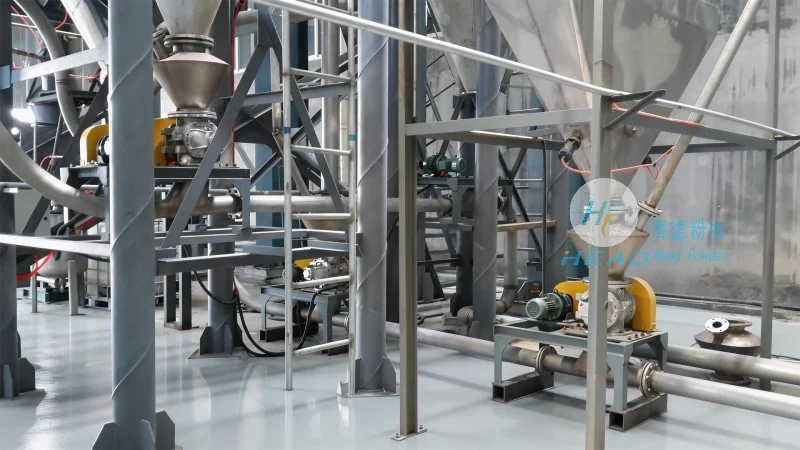
The hopper or feeder is responsible for introducing wheat bran into the system. It is typically designed with a sloped bottom to facilitate material flow and prevent clogging. The feeder may incorporate a rotary valve or screw conveyor to control flow rate and maintain consistent material feed. This component ensures controlled material introduction, essential for system performance and preventing overloading.
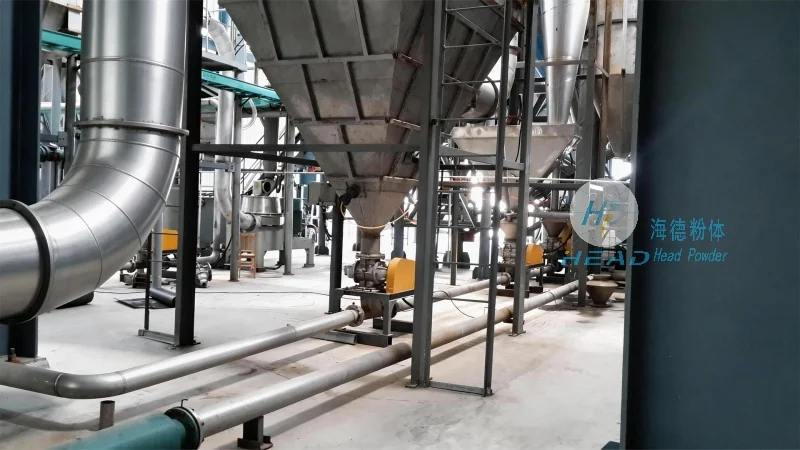
The blower or compressor is the system's core, generating the necessary air pressure and flow to move bran through the pipeline. The choice of blower depends on system requirements—material characteristics, conveying distance, and desired flow rate. Positive displacement blowers are common for wheat bran due to their ability to provide consistent pressure and volume, even with varying loads.
The pipeline system is critical, carrying the bran-air mixture from the feeder to the receiver. Typically made of stainless steel or corrosion-resistant materials to withstand bran's abrasiveness and moisture, the pipeline includes bends, elbows, and straight sections strategically placed to minimize pressure losses and maintain flow. Pipeline diameter is chosen based on flow rate and particle size, ensuring efficient operation without excessive energy use.
The receiver or discharge unit collects bran from the pipeline and delivers it to the destination. It may include a hopper or storage bin designed to hold bran until further processing or packaging. The receiver is equipped with a discharge valve or rotary valve to control material outflow. Its design is crucial for preventing buildup and ensuring smooth discharge.
Working Principles of Wheat Bran Pneumatic Conveying Systems
The system operates by using air to transport bran, creating a pressure differential between the feeder and receiver. This causes bran to be drawn into the pipeline with the air. The air flow suspends bran particles, preventing settling or clogging as the mixture travels.
The system functions in either positive or negative pressure mode, depending on application. Positive pressure systems use a blower to create higher pipeline pressure than ambient, forcing the mixture through. Negative pressure systems have a receiver under lower pressure than ambient, drawing the mixture in. The choice depends on conveying distance, material traits, and system design.
Flow rate is controlled by adjusting air flow and material feed rate. The system maintains consistent flow to avoid overloading or underloading. Pressure monitoring ensures it stays within optimal range, critical for efficiency and reliability.
Applications and Benefits of Wheat Bran Pneumatic Conveying Systems
Wheat bran pneumatic conveying systems are widely used in milling, food processing, and agricultural processing. They are especially useful for moving bran from storage silos to processing units or packaging lines. Benefits include improved efficiency, reduced labor costs, and minimized material loss. These systems also maintain a clean, hygienic environment, vital in food processing.
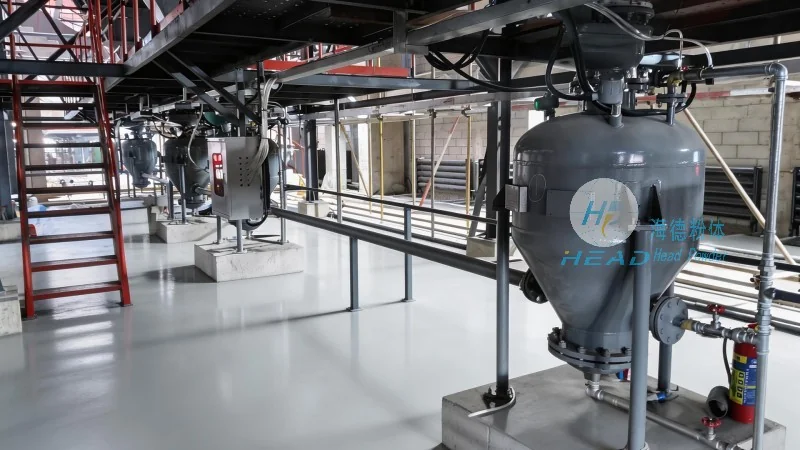
A key benefit is handling fine bran particles without excessive pressure drops or degradation. Air flow keeps particles suspended, preventing clogging and resulting in efficient, reliable transport—significantly reducing downtime and maintenance costs.
Another benefit is layout flexibility. The pipeline can integrate with existing facility layouts, and the system scales for small or large operations, making it suitable for diverse production volumes.
Conclusion
Wheat bran pneumatic conveying systems are essential in modern industrial processing, providing efficient and reliable transportation of wheat bran. Their structure and working principles are tailored to handle bran's unique traits, ensuring smooth transport without pressure drops or degradation. Benefits include enhanced efficiency, lower labor costs, and reduced material loss. As demand for wheat bran and other agricultural byproducts grows, the importance of efficient transportation systems will only increase. Companies like Shandong HeadPowder Engineering Co., Ltd., based in Shandong, China, specialize in designing and manufacturing these systems, offering customized solutions to meet client-specific needs.




