HeadPowder, a leading enterprise in the field of powder handling technology, specializes in the design, manufacturing, and application of pneumatic conveying systems for various industrial materials, including sulfur. This article provides an overview of sulfur pneumatic conveying, focusing on its structural components and operational principles to help clients understand the technology and its benefits.
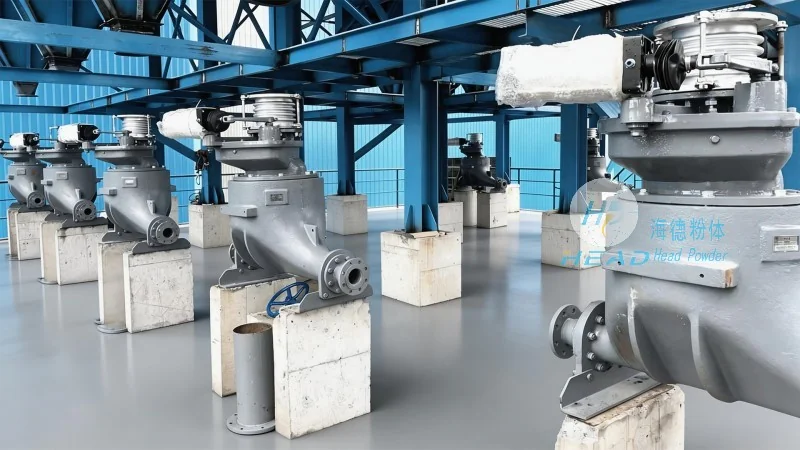
Company Profile: Shandong HeadPowder Engineering Co., Ltd.
HeadPowder, operating from Shandong, China, is dedicated to advancing powder handling solutions. With years of experience in the industry, the company has developed a comprehensive range of pneumatic conveying systems tailored to meet the specific needs of clients in different sectors. The company's commitment to quality and innovation ensures that its products are reliable and efficient, supporting the safe and effective transportation of materials like sulfur in industrial processes.
Overview of Sulfur Pneumatic Conveying
Sulfur pneumatic conveying is a method used to transport sulfur particles through a pipeline using air or other gas as the conveying medium. This technology offers several advantages over traditional methods such as belt conveyors or bucket elevators, including reduced risk of dust explosion, lower maintenance costs, and the ability to handle materials in a closed system, which enhances safety and environmental compliance. The process involves the generation of a flow of air or gas within the pipeline, which lifts and transports the sulfur particles from the source to the destination.
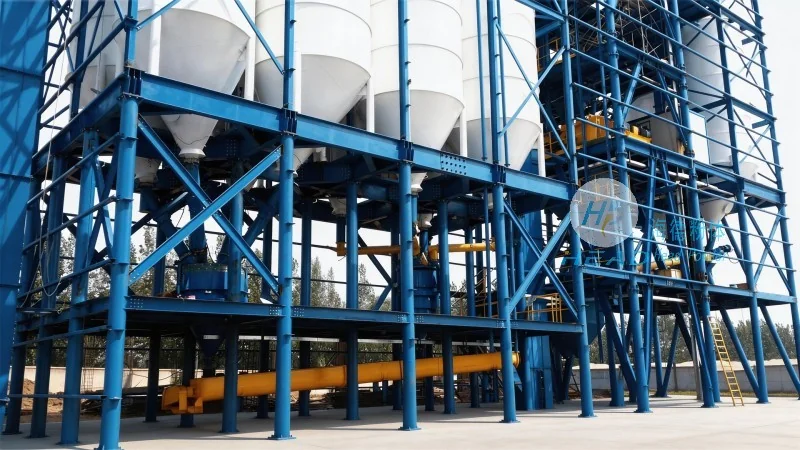
Structural Components of Sulfur Pneumatic Conveying Systems
A typical sulfur pneumatic conveying system consists of several key components that work together to ensure efficient material transport. These components include the material feeder, which introduces sulfur into the system; the air or gas source, which provides the necessary pressure and flow; the pipeline network, which carries the material and air; and the control system, which regulates the operation of the system. The material feeder is designed to handle the specific characteristics of sulfur, such as its density and flowability, ensuring a consistent feed rate. The air source, often a blower or compressor, generates the required pressure to move the material through the pipeline. The pipeline network is typically made of materials resistant to sulfur corrosion, such as stainless steel or special coatings, to ensure durability and longevity. The control system monitors and adjusts the air flow and pressure to maintain optimal conveying conditions.
Operational Principles of Sulfur Pneumatic Conveying
The operational principle of sulfur pneumatic conveying is based on the creation of a fluidized bed or a suspended flow of sulfur particles within the pipeline. When air or gas is introduced into the pipeline at a sufficient velocity, it lifts the sulfur particles and keeps them suspended, allowing them to be transported to the desired location. The velocity of the air or gas is critical to the success of the conveying process; it must be high enough to overcome the gravitational force acting on the sulfur particles but not so high as to cause excessive wear on the pipeline or equipment. The system operates under either positive pressure or negative pressure, depending on the specific application and the distance between the source and destination. Positive pressure systems are commonly used for short-distance conveying, while negative pressure systems are suitable for longer distances or when the material needs to be transported from a higher to a lower elevation.
Advantages of Sulfur Pneumatic Conveying
Sulfur pneumatic conveying offers several advantages over other material handling methods. One of the key benefits is the ability to handle sulfur in a closed system, which prevents dust from being released into the environment and reduces the risk of dust explosions. This is particularly important for sulfur, which is a combustible material and can pose significant safety hazards if not handled properly. Another advantage is the reduced maintenance costs, as pneumatic conveying systems have fewer moving parts compared to traditional conveyors, leading to lower repair and replacement expenses. Additionally, the system can be easily integrated with other industrial processes, such as storage and processing, to create a seamless material flow. The flexibility of the system allows it to be adapted to different production requirements, making it suitable for various applications in the chemical, petrochemical, and other industries.
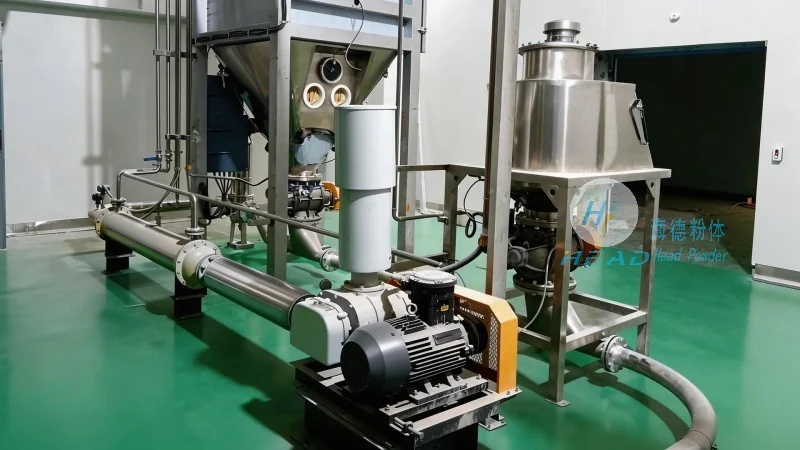
Applications of Sulfur Pneumatic Conveying
Sulfur pneumatic conveying is widely used in various industrial applications where sulfur needs to be transported from one location to another. Some common applications include the transportation of sulfur from storage silos to processing units, the conveying of sulfur to reactors or furnaces for further processing, and the transfer of sulfur from production lines to packaging or shipping areas. The technology is also used in the production of sulfuric acid, where the material needs to be transported to the reaction chambers. In addition, sulfur pneumatic conveying is used in the petrochemical industry for the handling of sulfur in the refining process. The system's ability to handle sulfur in a closed and controlled manner makes it ideal for these applications, ensuring safety and efficiency.
Conclusion
Sulfur pneumatic conveying is a reliable and efficient method for transporting sulfur in industrial settings. The technology, with its structural components and operational principles, offers several advantages over traditional material handling methods. HeadPowder, with its expertise in powder handling technology, provides high-quality pneumatic conveying systems that meet the specific needs of clients. By understanding the structure and principles of sulfur pneumatic conveying, clients can make informed decisions about the most suitable material handling solution for their operations, ensuring safety, efficiency, and cost-effectiveness.




