Understanding the pneumatic conveying of sodium chloride is essential for industries that handle this common chemical compound. This overview, provided by Shandong HeadPowder Engineering Co., Ltd. (headpowder), offers a detailed look at the structural components and operational principles of such systems, highlighting how they efficiently transport sodium chloride while maintaining product integrity.
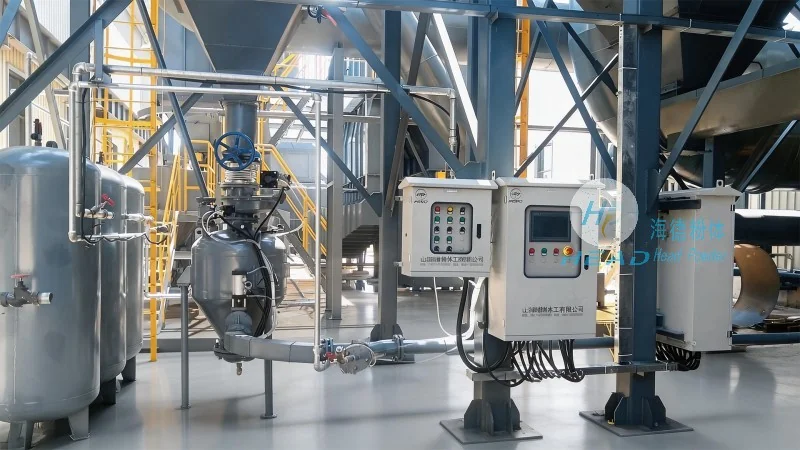
Overview of Pneumatic Conveying Systems for Sodium Chloride
Pneumatic conveying systems are widely used in the chemical and food processing industries to transport dry bulk materials like sodium chloride (table salt) from one location to another. These systems utilize a combination of air flow and pressure to move the material through a network of pipes. The process is designed to be efficient, low-maintenance, and capable of handling various particle sizes and flow rates associated with sodium chloride.
Key Structural Components of Sodium Chloride Pneumatic Conveying Systems
The core structure of a sodium chloride pneumatic conveying system typically includes several critical components that work in tandem to ensure smooth operation. These components are essential for both the initial loading of the material and its subsequent transport to the destination.
First, the feed hopper is a crucial part of the system. It is designed to hold a large quantity of sodium chloride and provides a controlled discharge mechanism. The hopper often features a rotating valve or a rotary airlock to regulate the flow of material into the conveying line, preventing blockages and ensuring a steady feed rate. This component is vital for maintaining consistent pressure and flow within the system.
Next, the conveying line itself is a network of pipes that transports the sodium chloride. The design of these pipes is critical; they are usually made of materials resistant to corrosion, such as stainless steel or PVC, to withstand the chemical properties of sodium chloride and prevent contamination. The diameter and length of the pipes are carefully selected based on the desired flow rate and the distance the material needs to travel. In some systems, the pipes may include bends or elbows, which are strategically placed to guide the material without causing excessive pressure drops or particle degradation.
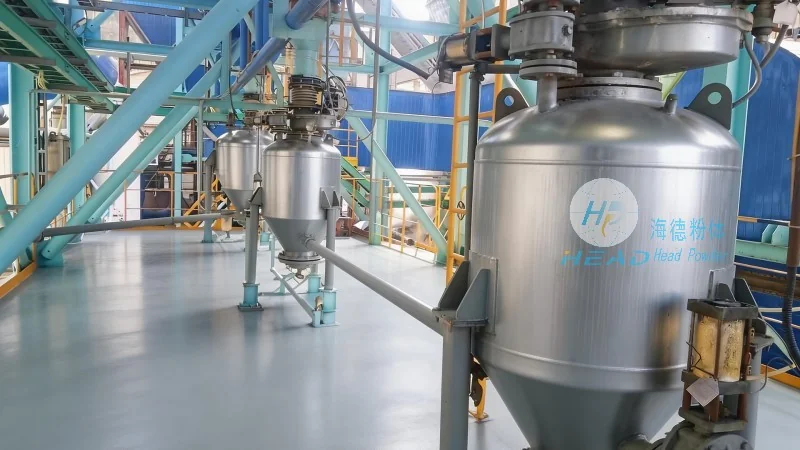
Following the conveying line is the separator, a device that separates the sodium chloride from the air stream. As the mixture of material and air reaches the separator, the air is expelled, and the sodium chloride is collected in a collection bin or silo. The separator may be a cyclone or a bag filter, depending on the system design. The efficiency of the separator is paramount, as it determines how much of the material is recovered and how much is lost to the air stream.
Additionally, the system may include a blower or compressor to generate the necessary air pressure. This component provides the force required to move the sodium chloride through the pipes. The choice of blower or compressor depends on the system's capacity and the specific requirements of the application. For sodium chloride, a positive displacement blower is often preferred due to its ability to maintain consistent pressure even at low flow rates.
Operational Principles of Sodium Chloride Pneumatic Conveying
The operational principle of a sodium chloride pneumatic conveying system revolves around the creation of a low-pressure or high-pressure environment within the conveying line. In a low-pressure system, air is drawn from the environment and mixed with the sodium chloride at the feed hopper. The resulting mixture is then transported through the pipes by the pressure differential between the hopper and the separator. In a high-pressure system, the air is compressed and forced into the conveying line, pushing the sodium chloride along.
During the conveying process, the sodium chloride particles are suspended in the air stream. The velocity of the air is a key factor; it must be sufficient to keep the particles airborne but not so high as to cause abrasion or damage to the pipes or other components. The system's design ensures that the velocity remains within an optimal range, which is typically determined by the particle size and density of the sodium chloride.
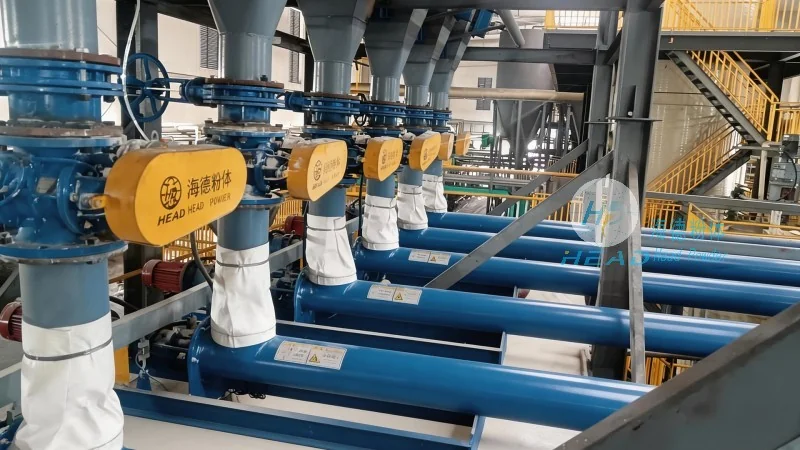
The separation process at the end of the conveying line is based on the principle of gravity. As the mixture enters the separator, the heavier sodium chloride particles fall out due to gravity, while the lighter air is expelled. This separation is efficient for most applications, but in some cases, additional filtration may be required to capture fine particles that could be lost to the air stream.
Benefits and Considerations for Sodium Chloride Pneumatic Conveying
Implementing a pneumatic conveying system for sodium chloride offers several advantages. One of the primary benefits is the ability to transport the material over long distances without the need for mechanical components like conveyor belts or buckets. This reduces the risk of product contamination and damage, which is particularly important for sodium chloride used in food or pharmaceutical applications. Additionally, pneumatic systems are generally more compact and require less floor space compared to traditional conveyor systems, making them suitable for facilities with limited space.
However, there are also considerations to keep in mind. The initial cost of a pneumatic conveying system can be higher than that of other transport methods. Maintenance is also more complex, as the system involves moving parts like blowers and valves that require regular inspection and replacement. Furthermore, the system's efficiency can be affected by factors such as particle size distribution and moisture content in the sodium chloride, which may require adjustments to the system's operation.
Conclusion
In summary, the structure and principle of sodium chloride pneumatic conveying systems are designed to efficiently transport this essential chemical compound while maintaining product quality. The combination of feed hoppers, conveying lines, separators, and air-moving devices works together to achieve this goal. As industries continue to rely on sodium chloride for various applications, understanding and optimizing these systems remains critical for operational efficiency and cost-effectiveness.




