HeadPowder, a leading engineering company based in Shandong, China, specializes in the design and manufacturing of advanced pneumatic conveying systems. This article provides an overview of the nitrogen circulating pneumatic conveying system, detailing its structural components and operational principles. The system is engineered to efficiently transport bulk materials using a closed-loop nitrogen gas circuit, ensuring high reliability and minimal material degradation.
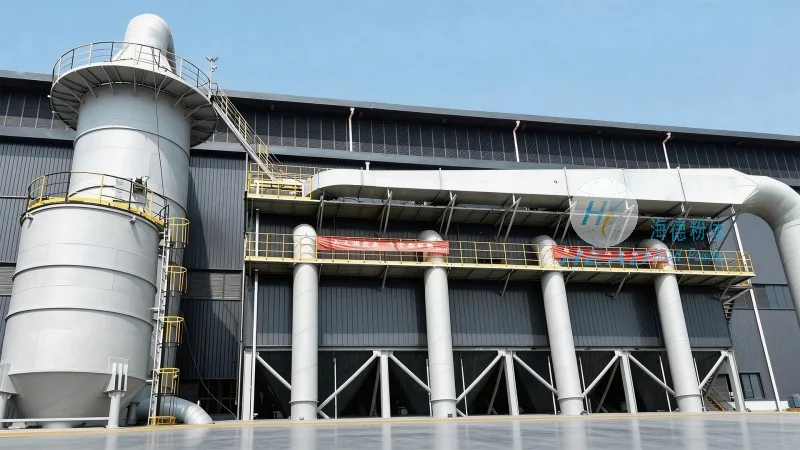
Overview of Nitrogen Circulating Pneumatic Conveying Systems
The nitrogen circulating pneumatic conveying system is a sophisticated technology used in various industrial sectors, including pharmaceuticals, food processing, and chemical manufacturing. Its primary function is to transport dry bulk materials from one location to another through a network of pipes and equipment. Unlike traditional pneumatic conveying systems that rely on external air sources, this system utilizes a recirculating nitrogen gas loop, which enhances safety and reduces the risk of contamination. The closed-loop design also minimizes energy consumption and environmental impact, making it an eco-friendly solution for material handling.
Key Structural Components of the System
The nitrogen circulating pneumatic conveying system comprises several critical components that work in tandem to achieve efficient material transport. These components include the material feed hopper, the air compressor and nitrogen generator, the conveying pipeline network, the control system, and the material discharge unit. Each component plays a vital role in the overall operation of the system.
The material feed hopper is responsible for storing and feeding the bulk material into the system. It is typically equipped with a rotary valve or a star feeder to regulate the flow of material into the conveying line. The hopper is designed to prevent material bridging and ensure a consistent feed rate, which is crucial for maintaining system performance.
The air compressor and nitrogen generator are the power sources of the system. The compressor draws in ambient air and compresses it to the required pressure, while the nitrogen generator purifies the compressed air to remove moisture and impurities. The purified nitrogen is then introduced into the conveying pipeline, creating a pressurized environment that propels the material particles forward.
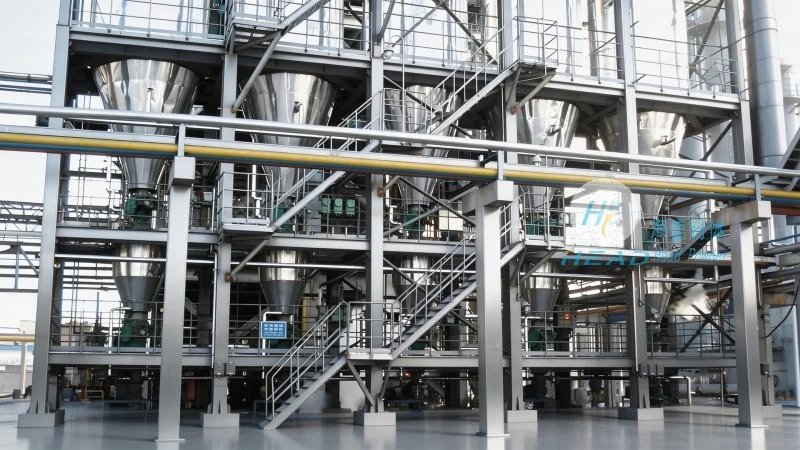
The conveying pipeline network consists of a series of pipes connected to the feed hopper and discharge unit. The pipes are made of durable materials such as stainless steel or polyethylene to withstand the pressure and corrosive nature of the conveyed materials. The system may include bends, elbows, and expansion joints to accommodate changes in direction and elevation, ensuring smooth material flow.
The control system is an integral part of the nitrogen circulating pneumatic conveying system. It monitors and regulates the pressure, flow rate, and temperature within the system, ensuring optimal operation. The control system may include sensors, valves, and a programmable logic controller (PLC) to automate the material handling process. This automation enhances efficiency and reduces the need for manual intervention, improving overall productivity.
The material discharge unit is the final component of the system, where the conveyed material is collected and discharged. It may include a rotary valve or a surge hopper to regulate the discharge rate and prevent material buildup. The discharge unit is designed to match the downstream process requirements, ensuring a smooth transition from the conveying system to the next stage of production.
Working Principles of the Nitrogen Circulating Pneumatic Conveying System
The operation of the nitrogen circulating pneumatic conveying system is based on the principle of fluidization and drag flow. When the nitrogen gas is introduced into the conveying pipeline at a high velocity, it creates a turbulent flow that lifts the material particles and propels them forward. The gas velocity is carefully controlled to ensure that the material particles are fully suspended and transported without causing excessive wear on the system components.
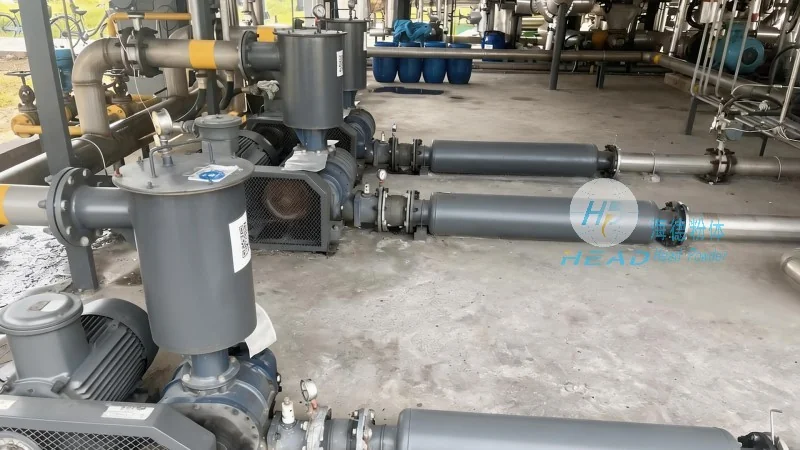
The closed-loop design of the system ensures that the nitrogen gas is continuously recirculated, reducing the need for continuous external air supply. The gas is filtered and regenerated within the system, minimizing the amount of nitrogen gas lost to the environment. This recirculation also helps to maintain a consistent pressure and temperature within the system, which is essential for stable material transport.
The system operates in a continuous mode, where the material is fed into the hopper and conveyed to the discharge unit at a constant rate. The control system adjusts the flow rate and pressure as needed to maintain the desired material throughput. The system can be operated in both positive and negative pressure modes, depending on the application requirements. In positive pressure mode, the system is pressurized to prevent dust leakage, while in negative pressure mode, it is depressurized to draw material from the hopper.
Advantages of the Nitrogen Circulating Pneumatic Conveying System
The nitrogen circulating pneumatic conveying system offers several advantages over traditional pneumatic conveying systems. The closed-loop design reduces the risk of contamination and dust emissions, making it suitable for handling sensitive materials such as pharmaceuticals and food products. The system also minimizes energy consumption and environmental impact, as the nitrogen gas is recirculated and regenerated within the system.
Another advantage of the system is its high efficiency and reliability. The recirculating nitrogen loop ensures a consistent pressure and flow rate, which reduces the risk of system downtime and material loss. The system is also easy to maintain and repair, as the components are designed for durability and long service life.
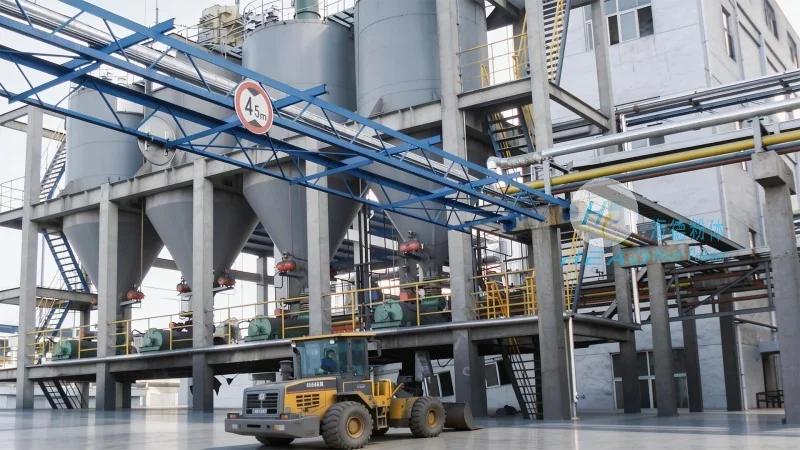
The nitrogen circulating pneumatic conveying system is also flexible and adaptable to various industrial applications. It can be customized to handle different types of materials, such as powders, granules, and pellets. The system can also be scaled to accommodate different production capacities, from small-scale laboratory applications to large-scale industrial operations.
Applications of the Nitrogen Circulating Pneumatic Conveying System
The nitrogen circulating pneumatic conveying system is widely used in various industries, including pharmaceuticals, food processing, chemical manufacturing, and mining. In the pharmaceutical industry, the system is used to transport active pharmaceutical ingredients (APIs) and excipients, ensuring that the materials are handled in a sterile and controlled environment. The system is also used in the food processing industry to transport food powders and granules, such as sugar, flour, and spices.
In the chemical manufacturing industry, the system is used to transport chemicals and reagents, ensuring that the materials are handled safely and efficiently. The system is also used in the mining industry to transport minerals and ores from the mine to the processing plant. The versatility of the system makes it suitable for a wide range of applications, making it a popular choice among industrial manufacturers.
Conclusion
The nitrogen circulating pneumatic conveying system is a highly efficient and reliable technology for transporting bulk materials. The system's closed-loop design and recirculating nitrogen loop ensure high safety, minimal contamination, and reduced energy consumption. HeadPowder, with its expertise in engineering and manufacturing, provides high-quality nitrogen circulating pneumatic conveying systems that meet the diverse needs of industrial applications. By leveraging this technology, companies can improve their material handling processes, enhance productivity, and reduce operational costs.




