Tank truck pneumatic conveying systems represent a sophisticated method for transporting bulk materials, particularly in industrial and logistics settings. These systems are designed to efficiently move powders, granules, and other particulate materials from storage tanks to processing facilities or other destinations. The core of such a system lies in its ability to use compressed air or other gases to create a flow of material through a pipeline network, eliminating the need for mechanical components like conveyor belts or buckets that might be prone to wear and maintenance issues.
Key Components and Structural Design
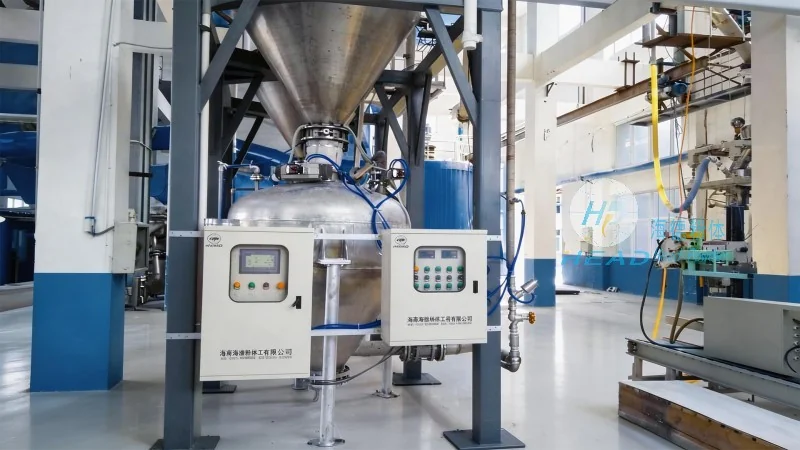
A typical tank truck pneumatic conveying system comprises several critical components, each playing a vital role in the overall operation. The primary elements include the tank truck itself, which serves as the material source; a pump or blower that generates the necessary air pressure; a pipeline system that transports the material; and a control system that regulates the flow and pressure. The tank truck is equipped with a hopper or loading port that allows material to be loaded into the truck, and a discharge valve that facilitates the release of material into the conveying line. The pump or blower is responsible for creating the airflow, which can be either positive pressure (where air is pushed through the system) or negative pressure (where air is drawn out, creating a vacuum). The pipeline system is typically made of durable materials like stainless steel or PVC to withstand the abrasive nature of the materials being transported and the pressure of the air flow. The control system includes sensors and valves that monitor and adjust the pressure, flow rate, and material level to ensure safe and efficient operation.
Working Principles of the Conveying Process
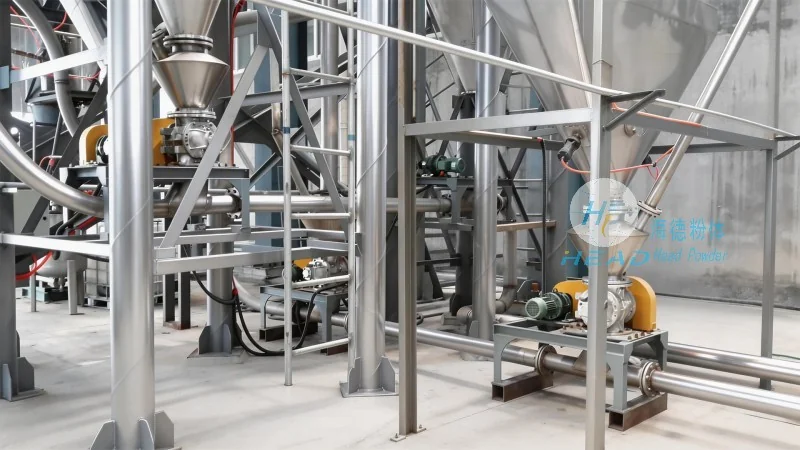
The operation of a tank truck pneumatic conveying system follows a systematic process. Initially, the tank truck is loaded with the bulk material, which is then sealed and prepared for transport. Upon arrival at the destination, the truck is connected to the receiving system via a hose or pipeline. The pump or blower is activated, creating a pressure differential that draws the material from the truck into the conveying line. The material is then carried along the pipeline by the moving air, often in a dilute phase (where the material is suspended in the air) or a dense phase (where the material forms a slurry with the air). The control system ensures that the air pressure and flow rate are maintained at optimal levels to prevent material blockages or excessive wear on the system components. As the material travels through the pipeline, it is eventually discharged into a storage bin, silo, or processing unit at the receiving end. The system is designed to handle a wide range of materials, from fine powders like cement or flour to larger granules like grains or chemicals, making it versatile for various industrial applications.
About Shandong HeadPowder Engineering Co., Ltd.
Shandong HeadPowder Engineering Co., Ltd., commonly known as HeadPowder, is a leading manufacturer and supplier of pneumatic conveying systems and related industrial equipment. With a strong presence in China, particularly in Shandong province, the company specializes in designing, manufacturing, and installing customized solutions for bulk material handling. HeadPowder's team of engineers and technicians leverages advanced technology and years of industry experience to develop systems that meet the specific needs of clients across various sectors, including food processing, chemical manufacturing, and pharmaceuticals. The company is committed to providing high-quality, reliable equipment that enhances operational efficiency and reduces maintenance costs for its customers. By focusing on innovation and customer satisfaction, HeadPowder has established itself as a trusted partner in the bulk material handling industry.
Applications and Benefits of Tank Truck Pneumatic Conveying Systems
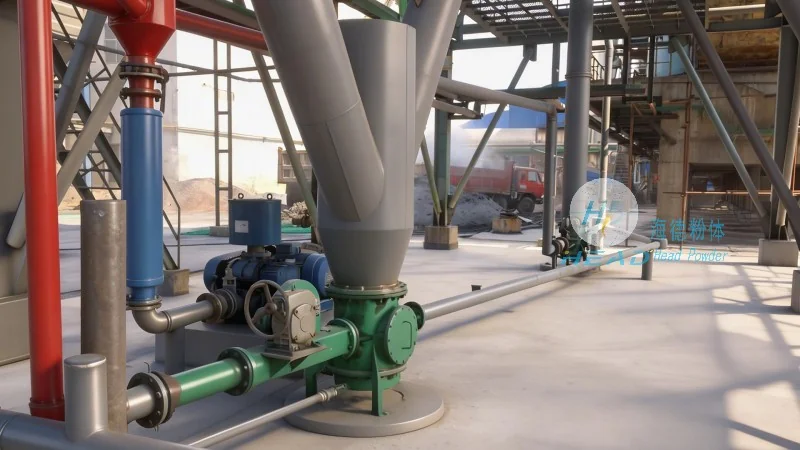
Tank truck pneumatic conveying systems are widely used in industries where bulk materials need to be transported over short to medium distances. Some common applications include the transportation of cement from production plants to construction sites, the delivery of flour and other food products to bakeries and processing facilities, and the movement of chemicals and powders in pharmaceutical and chemical manufacturing. The benefits of using such systems include increased efficiency in material handling, reduced labor costs due to automated processes, and improved safety by minimizing manual handling of materials. Additionally, pneumatic conveying systems can handle materials that are difficult to transport using traditional methods, such as dusty or abrasive materials, without causing contamination or damage. The flexibility of these systems allows for easy integration into existing production lines and the ability to adapt to changing material handling requirements. Overall, tank truck pneumatic conveying systems offer a cost-effective and reliable solution for bulk material transportation, making them an essential component in modern industrial operations.




