For industries dealing with ceramic powders, efficient and reliable material handling is crucial. This article provides an overview of pneumatic conveying systems designed specifically for ceramic powders, detailing their structure and operational principles. The system is engineered to meet the unique challenges of handling fine, abrasive, and often valuable ceramic materials, ensuring minimal product degradation and optimal performance.
System Structure Overview
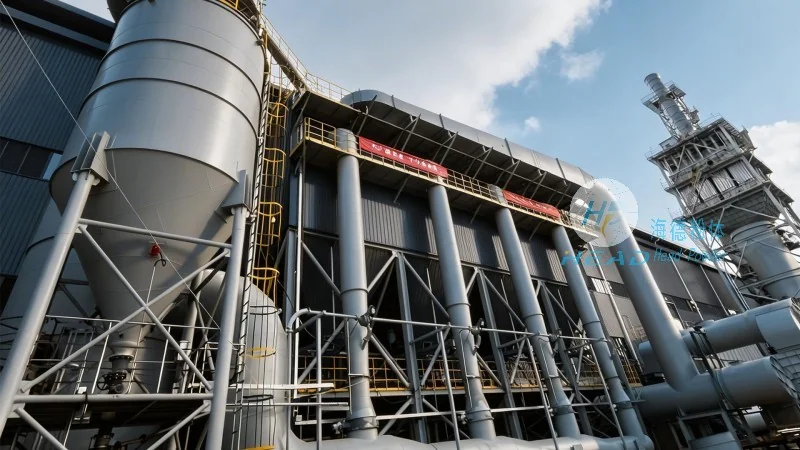
The ceramic powder pneumatic conveying system typically consists of several key components that work in concert to transport materials. These components include a hopper for material storage, a feeder to control the flow rate, a conveying line (often with multiple sections), and a receiver for the discharged material. The system may also incorporate accessories such as filters, silencers, and pressure vessels to enhance performance and safety. Each component is designed with the specific characteristics of ceramic powders in mind, such as particle size, density, and flowability.
Working Principles of Pneumatic Conveying
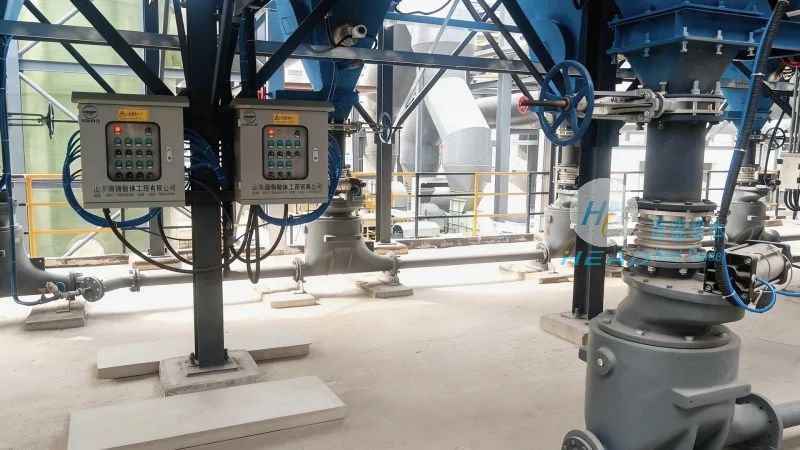
Pneumatic conveying operates by using air or other gases to transport bulk materials through a pipeline. In the case of ceramic powder systems, the process involves creating a pressure differential or using vacuum to move the material. The system can be categorized into two main types: pressure and vacuum systems. Pressure systems use compressed air to push the material forward, while vacuum systems use a vacuum to pull the material. The choice of system depends on factors like the distance to be covered, the material's properties, and the desired flow rate. The conveying process begins when the feeder releases the ceramic powder into the conveying line. The air flow then entrains the particles, carrying them through the pipeline to the receiver. The system is designed to maintain consistent air velocity to prevent particle deposition and ensure smooth transport.
Advantages of Ceramic Powder Pneumatic Conveying Systems
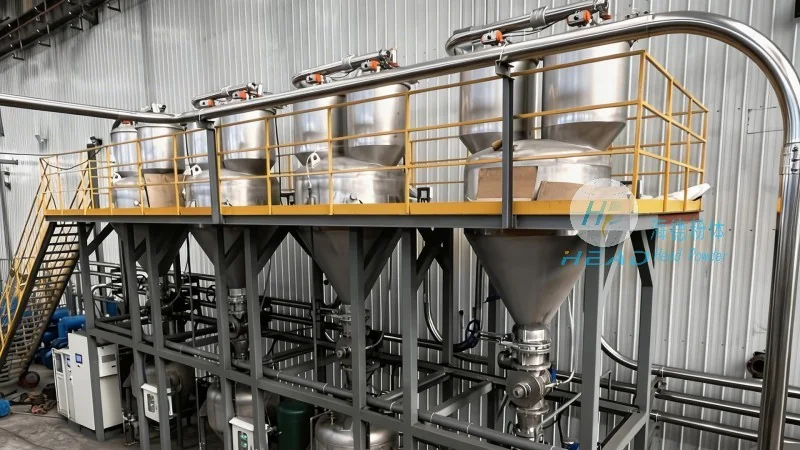
Using a pneumatic conveying system for ceramic powders offers several advantages over traditional methods like belt conveyors or bucket elevators. These systems are highly effective in preventing product contamination and degradation, as they minimize contact with external elements and reduce mechanical stress on the particles. Additionally, pneumatic conveyors can handle fine powders that are difficult to transport with other methods, ensuring consistent flow and preventing blockages. The systems are also flexible, allowing for changes in material flow rates and distances without significant modifications. This adaptability makes them suitable for various production environments, from small-scale laboratory applications to large-scale industrial operations.
About Shandong HeadPowder Engineering Co., Ltd.
Shandong HeadPowder Engineering Co., Ltd., operating under the brand name headpowder, is a leading manufacturer of specialized material handling equipment, including pneumatic conveying systems for ceramic powders. With a focus on innovation and quality, the company has established itself as a trusted partner for industries requiring reliable and efficient solutions for handling fine materials. Headpowder's systems are designed and manufactured in China, leveraging advanced technology and rigorous quality control to meet international standards. The company's commitment to customer satisfaction and product excellence has earned it a reputation for delivering durable, high-performance equipment tailored to the unique needs of each client.
Conclusion
Ceramic powder pneumatic conveying systems represent a sophisticated solution for the efficient and safe transport of fine ceramic materials. By understanding the system's structure and working principles, industries can make informed decisions about implementing such technology to enhance their production processes. With the expertise of companies like Shandong HeadPowder Engineering Co., Ltd., businesses can access high-quality equipment that ensures optimal performance, minimal downtime, and consistent product quality. The adoption of these systems not only improves operational efficiency but also contributes to cost savings and environmental sustainability by reducing material waste and energy consumption.




