Wool pneumatic conveying systems represent a critical advancement in material handling technology for the textile industry, particularly in the processing of wool fibers. These systems leverage the power of air to transport wool efficiently and safely, addressing the challenges associated with traditional handling methods such as manual labor or mechanical conveyors. By utilizing a combination of air pressure and vacuum, these systems can move wool from one location to another with minimal human intervention, enhancing productivity and reducing operational costs.
Core Components and Their Functions
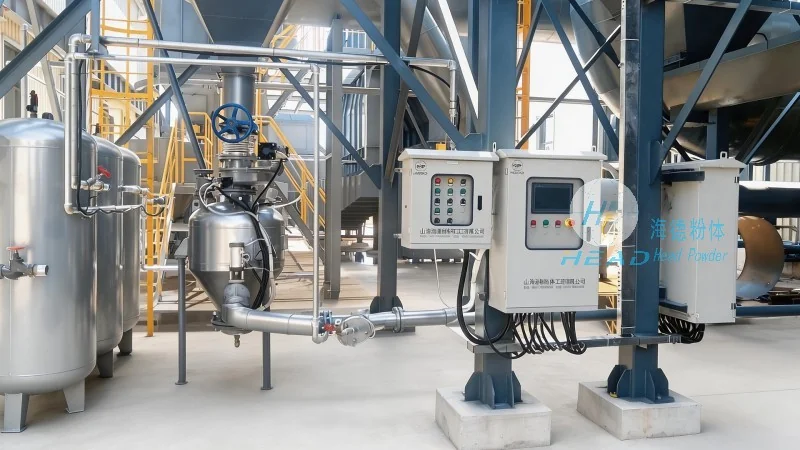
The effectiveness of a wool pneumatic conveying system relies on its well-designed components, each playing a vital role in the overall operation. The feed hopper is the initial component, where raw wool is stored and fed into the system. This hopper is typically equipped with a feeder mechanism, such as a rotary valve or screw feeder, to control the flow of material into the pipeline. The blower or air compressor is the heart of the system, generating the necessary air pressure to move the wool. Depending on the system design, this can be a positive pressure blower that pushes air and material forward or a vacuum system that draws material into the pipeline. The pipeline network, constructed from materials like stainless steel or PVC, forms the path for the wool and air mixture. The receiver or collection hopper at the end of the system collects the processed wool, often with a discharge mechanism to transfer it to the next stage of processing. Control valves are used to regulate airflow and pressure, ensuring smooth operation and preventing system overload. Filters are also incorporated to remove dust and debris from the air, maintaining system efficiency and preventing damage to downstream equipment.
Working Principle: Positive and Negative Pressure Systems
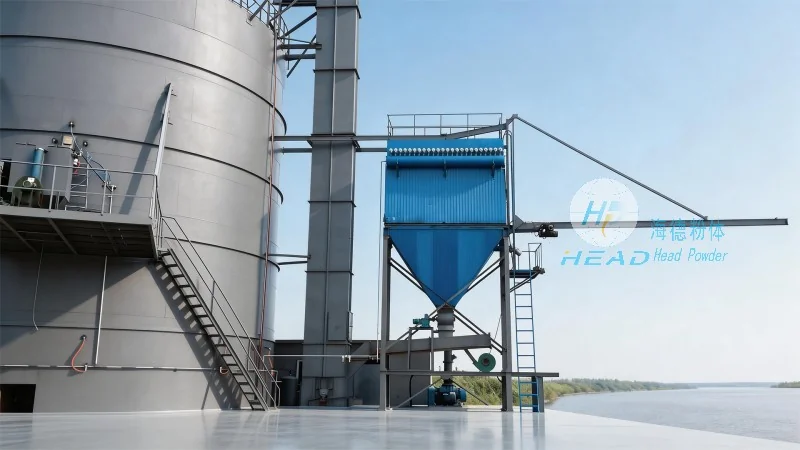
The operation of a wool pneumatic conveying system is based on the fundamental principle of air movement, with two primary system types: positive pressure and negative pressure (vacuum). In a positive pressure system, the blower pushes air and material through the pipeline, creating a pressure that moves the wool forward. This method is suitable for long-distance or high-capacity applications, as it can maintain consistent pressure throughout the system. In a negative pressure system, the blower creates a vacuum that draws the wool into the pipeline, pulling it from the feed hopper. This approach is often used for shorter distances or when handling materials that are more easily drawn by air. For wool, which is lightweight and can be easily suspended in air, both systems are effective. However, the choice between positive and negative pressure depends on factors such as the distance between the feed and collection points, the volume of material to be transported, and the specific characteristics of the wool being processed. The design of the system must also consider the need to maintain the quality of the wool fibers, avoiding excessive friction or pressure that could damage the material.
Advantages Over Traditional Handling Methods
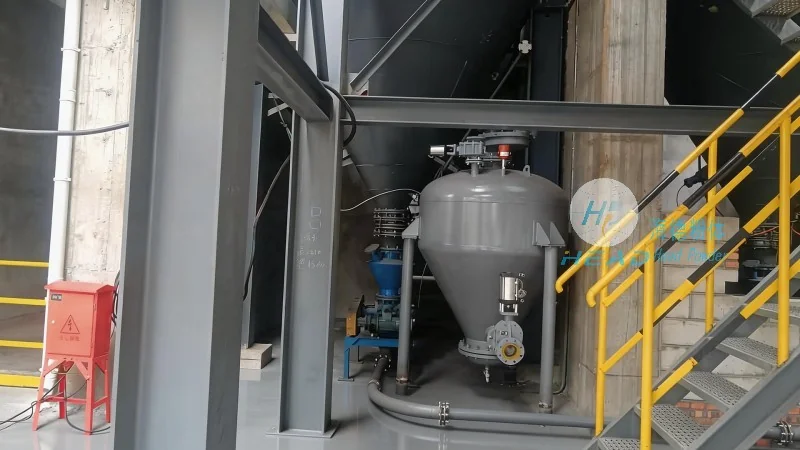
Compared to traditional methods like belt conveyors or manual handling, wool pneumatic conveying systems offer several significant advantages. First, they provide a clean and hygienic environment, as the system is enclosed and prevents dust and contaminants from entering or exiting the workspace. This is particularly important in wool processing, where dust can affect both the quality of the product and the health of workers. Second, these systems are highly efficient in terms of energy consumption and material throughput. By using air to move the wool, the system minimizes energy waste and maximizes the amount of material transported per unit of energy. Third, the modular design of pneumatic conveying systems allows for easy integration with existing processing lines, enabling businesses to upgrade their operations without major disruptions. Additionally, the systems are low-maintenance, with fewer moving parts compared to mechanical conveyors, reducing downtime and maintenance costs.
Customization and Application in Wool Processing
Shandong HeadPowder Engineering Co., Ltd., a leading manufacturer of pneumatic conveying systems, specializes in providing customized solutions tailored to the specific needs of wool processing facilities. The company's engineers work closely with clients to understand their production requirements, material characteristics, and operational constraints. This collaborative approach ensures that the final system is optimized for efficiency, reliability, and cost-effectiveness. Headpowder's systems are designed to handle various types of wool, from raw fleece to processed fibers, and can be integrated with other equipment such as carding machines, spinning machines, or storage silos. The company's commitment to quality is reflected in its use of high-grade materials and rigorous testing procedures, ensuring that each system meets the highest standards of performance and durability.
Location and Industry Presence
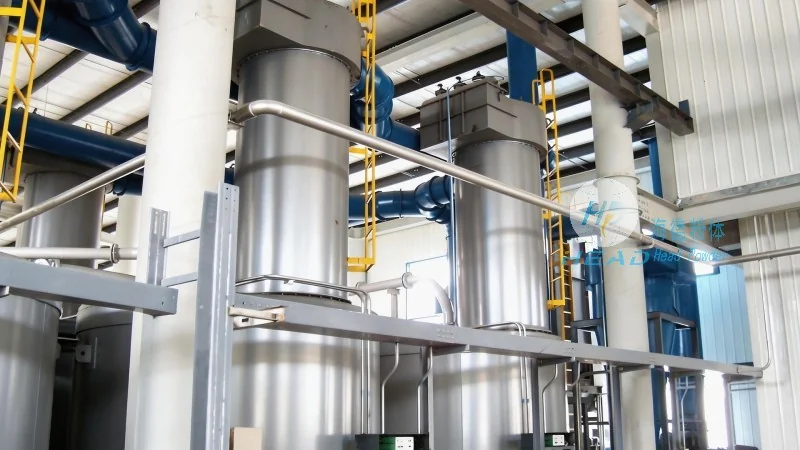
Headpowder is headquartered in Shandong, China, a region renowned for its strong industrial sector and expertise in engineering solutions. The company's facilities are equipped with state-of-the-art manufacturing equipment and quality control laboratories, enabling it to produce reliable and efficient pneumatic conveying systems. Shandong's strategic location provides easy access to major transportation networks, facilitating the distribution of products to clients both domestically and internationally. The company's presence in the industry is supported by a team of experienced professionals, including engineers, technicians, and sales representatives, who are dedicated to providing exceptional customer service and technical support. While specific contact information is not provided, Headpowder's reputation in the market is built on its ability to deliver innovative and effective solutions for the textile industry.




