HeadPowder, a leading engineering firm based in Shandong, China, specializes in the design and implementation of advanced pneumatic conveying systems for the fertilizer industry. This article provides an overview of the potash fertilizer pneumatic conveying system, detailing its structural components, operational principles, and practical applications.
Overview of the Potash Fertilizer Pneumatic Conveying System
The potash fertilizer pneumatic conveying system is a sophisticated technology used to transport bulk potash fertilizer from storage silos to processing or packaging facilities. This system eliminates the need for traditional mechanical conveyors, offering advantages such as reduced maintenance, lower energy consumption, and enhanced safety in handling potentially hazardous materials. The system operates by using compressed air or other gases to create a flow of air and material through a network of pipes, ensuring efficient and reliable transportation of the fertilizer.
Key Structural Components of the System
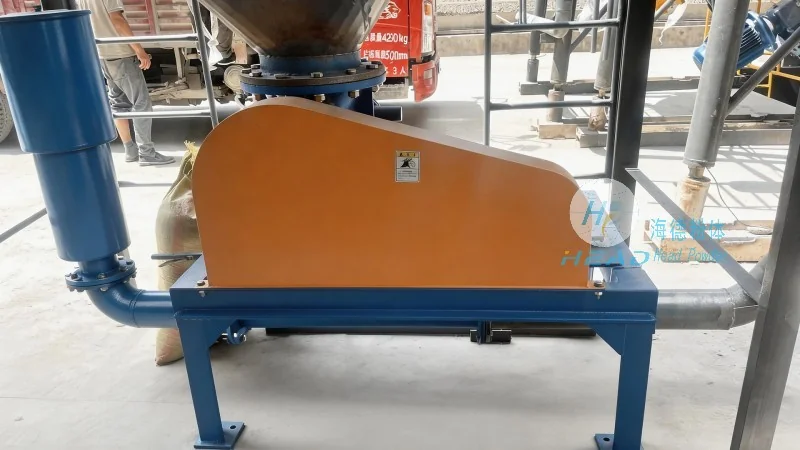
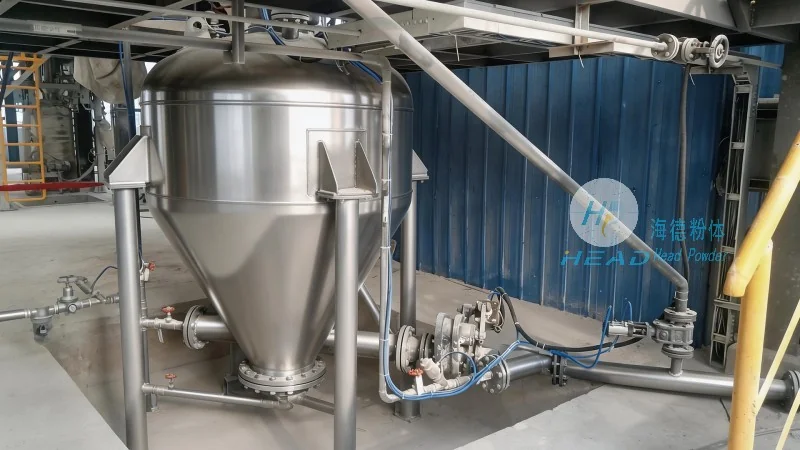
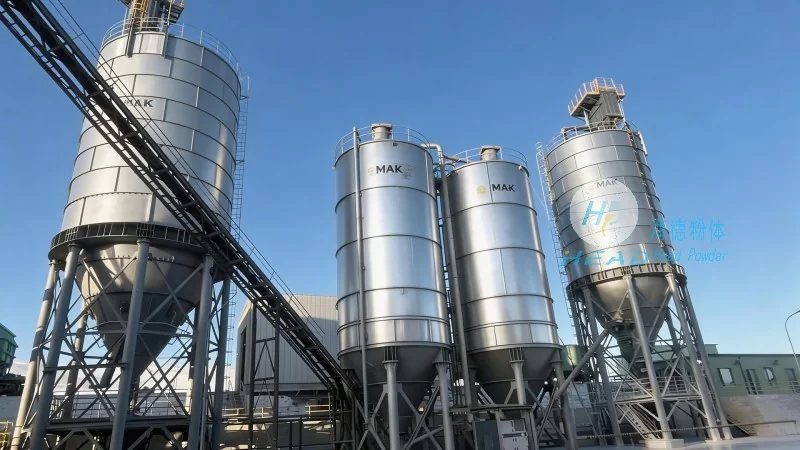
The potash fertilizer pneumatic conveying system consists of several critical components that work in tandem to achieve effective material transport. These components include the hopper or storage silo, where the potash fertilizer is stored; the feeder, which controls the flow of material into the conveying line; the conveying line itself, typically made of corrosion-resistant materials like stainless steel to withstand the chemical properties of potash; the air compressor or blower, which generates the necessary pressure to move the material; and the discharge unit, where the fertilizer is released at the destination point. Each component is designed to withstand the abrasive and corrosive nature of potash fertilizer, ensuring long-term durability and performance.
Operational Principles and Working Mechanisms
The operational principle of the potash fertilizer pneumatic conveying system is based on the creation of a fluidized bed within the conveying line. When compressed air is introduced into the system, it creates a mixture of air and fertilizer particles, which behaves like a fluid. This fluidized state allows the material to be transported through the pipes with minimal friction and resistance. The system can operate in either positive pressure or negative pressure modes, depending on the specific application requirements. In positive pressure systems, air is forced into the conveying line, pushing the material forward. In negative pressure systems, air is drawn out of the system, creating a vacuum that pulls the material. The choice between these modes depends on factors such as the distance to be covered, the material's properties, and the desired level of dust control.
Advantages of the Potash Fertilizer Pneumatic Conveying System
Implementing a potash fertilizer pneumatic conveying system offers numerous benefits for fertilizer manufacturers and processors. One of the primary advantages is the reduction in labor costs associated with manual handling of bulk materials. The system automates the entire transport process, minimizing the need for human intervention and reducing the risk of accidents. Additionally, the system provides better control over the material flow, ensuring consistent and uniform delivery of the fertilizer to the processing line. This consistency is crucial for maintaining product quality and preventing variations in the final fertilizer product. Another significant advantage is the improved safety aspect. By eliminating the need for manual handling, the system reduces exposure to dust and other airborne particles, which can be harmful to workers. The enclosed system also helps in controlling dust emissions, contributing to a cleaner and safer working environment.
Application and Integration in Fertilizer Production
The potash fertilizer pneumatic conveying system is widely used in modern fertilizer production facilities. It is particularly suitable for transporting large quantities of potash fertilizer from storage silos to the blending or granulation units. The system can be integrated with other processing equipment, such as mixers and granulators, to form a seamless production line. This integration allows for efficient and continuous operation, minimizing downtime and maximizing productivity. The system's flexibility also allows it to be adapted to different production scales, from small-scale operations to large industrial facilities. In addition, the system can be customized to meet specific customer requirements, such as varying the conveying capacity or adjusting the pressure levels to suit different material characteristics.
Maintenance and Longevity of the System
Proper maintenance is essential to ensure the long-term performance and reliability of the potash fertilizer pneumatic conveying system. Regular inspections and maintenance of the components, such as the feeder, conveying line, and air compressor, are crucial to prevent breakdowns and extend the system's lifespan. The use of high-quality, corrosion-resistant materials in the construction of the system helps to minimize wear and tear, reducing the need for frequent repairs. Additionally, the system's design allows for easy access to components for maintenance, making routine checks and repairs more efficient. By following the manufacturer's recommended maintenance schedule and using high-quality replacement parts, the system can operate at peak efficiency for many years, providing a reliable and cost-effective solution for potash fertilizer transportation.
Conclusion
In conclusion, the potash fertilizer pneumatic conveying system is a highly effective and efficient technology for transporting bulk potash fertilizer. Its structural components, operational principles, and advantages make it an ideal solution for modern fertilizer production facilities. HeadPowder, with its expertise in engineering and manufacturing, offers comprehensive solutions for the design, installation, and maintenance of these systems, ensuring that clients receive a reliable and durable product that meets their specific needs. By investing in a potash fertilizer pneumatic conveying system, fertilizer manufacturers can improve their operational efficiency, reduce costs, and enhance the safety of their workforce.




