For industrial applications involving sodium sulfate, efficient material handling is crucial. The pneumatic conveying system offers a reliable solution for transporting this chemical, ensuring safety, efficiency, and minimal product degradation. This article provides an overview of the system's structure and operational principles, highlighting its key components and how they work together to facilitate smooth material transport.
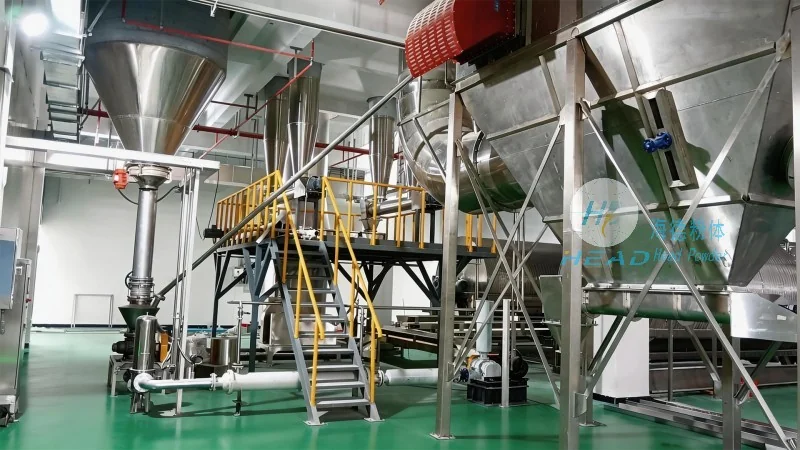
About HeadPowder: Your Trusted Partner in Material Handling Solutions
HeadPowder, or Shandong HeadPowder Engineering Co., Ltd., is a leading manufacturer specializing in pneumatic conveying systems. With a focus on innovation and quality, the company has established itself as a trusted provider of industrial material handling equipment. HeadPowder's systems are designed to meet the specific needs of various industries, including chemical processing, where sodium sulfate is commonly used. The company's headquarters is located in Shandong, China, a region known for its robust industrial infrastructure and manufacturing capabilities.
Key Components of the Sodium Sulfate Pneumatic Conveying System
The pneumatic conveying system for sodium sulfate typically consists of several critical components that work in tandem to ensure effective material transport. These components include the hopper, which serves as the storage and feeding unit, the conveyor line (either positive or negative pressure), the air compressor or vacuum pump, and the receiver or discharge unit. Each component plays a vital role in the overall operation of the system.
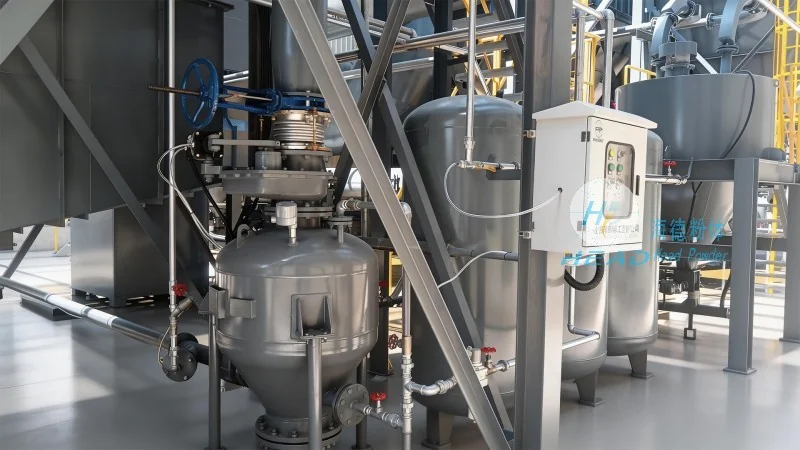
The hopper is designed to hold the sodium sulfate and feed it into the conveyor line at a controlled rate. It often features a rotating valve or feeder to regulate the flow of material, preventing blockages and ensuring consistent delivery. The conveyor line, which can be either positive pressure (where air is blown into the system to push the material) or negative pressure (where air is drawn out to pull the material), is the core of the system. The choice between positive and negative pressure depends on factors such as the distance to be covered, the material's properties, and the desired flow rate. The air compressor or vacuum pump provides the necessary air pressure or vacuum to move the material through the line. Finally, the receiver or discharge unit collects the material at the end of the conveyor line, ensuring it is safely and efficiently transferred to the next stage of processing.
Working Principles of the Pneumatic Conveying System
The operation of the sodium sulfate pneumatic conveying system is based on the principles of fluid dynamics and air movement. In a positive pressure system, the air compressor generates high-pressure air that is introduced into the conveyor line. As the air flows through the line, it picks up the sodium sulfate particles and carries them to the receiver. The air and material mixture then passes through a separator, where the air is filtered out and the material is collected. In a negative pressure system, the vacuum pump creates a low-pressure environment at the receiver, drawing the material and air into the line and transporting them to the hopper or feeder. The material is then released from the line at the discharge point, where it is collected in a container or transferred to another process.
Advantages of Using a Pneumatic Conveying System for Sodium Sulfate
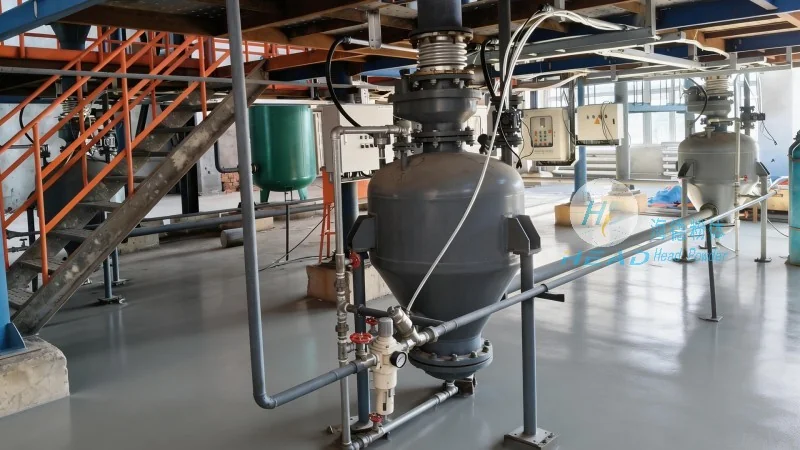
Implementing a pneumatic conveying system for sodium sulfate offers several advantages over traditional methods such as belt conveyors or manual handling. One of the primary benefits is the ability to transport the material in a closed system, which minimizes dust exposure and reduces the risk of contamination. This is particularly important for sodium sulfate, which can be a respiratory irritant if inhaled in large quantities. The closed system also helps maintain the purity of the material, preventing it from coming into contact with moisture or other contaminants that could affect its quality.
Another advantage is the flexibility of the system. Pneumatic conveyors can be easily adjusted to accommodate different material flow rates and distances, making them suitable for a wide range of applications. They can also be integrated with other processing equipment, such as mixers or reactors, to create a seamless material handling process. Additionally, the system is relatively low maintenance compared to other conveyor types, as it has fewer moving parts and requires less frequent cleaning.
Applications and Industries Using Sodium Sulfate Pneumatic Conveying Systems
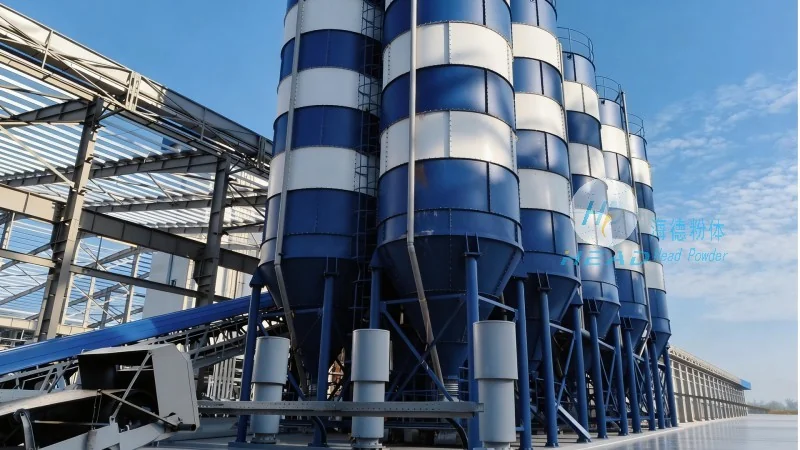
Sodium sulfate is widely used in various industries, including paper manufacturing, glass production, and chemical processing. The pneumatic conveying system is particularly well-suited for these applications due to its ability to handle bulk materials efficiently and safely. In the paper industry, sodium sulfate is used as a filler in paper production, and the system ensures that it is transported to the paper machines without any issues. In glass manufacturing, it is used as a flux, and the system helps maintain the quality of the material during transport. In chemical processing, it is used as a raw material in various chemical reactions, and the system ensures that it is delivered to the reactors in a controlled manner.
Conclusion and Contact Information
HeadPowder Engineering Co., Ltd. provides high-quality pneumatic conveying systems for sodium sulfate, designed to meet the specific needs of industrial applications. With its focus on innovation and customer satisfaction, the company offers reliable and efficient solutions for material handling. For more information about their products and services, please contact HeadPowder at their headquarters in Shandong, China.




