For industries that process cocoa powder, efficient material handling is a critical factor in maintaining operational efficiency and product quality. The pneumatic conveying system has emerged as a highly effective solution for transporting fine and hygroscopic materials like cocoa powder. This article provides a comprehensive overview of the system's structure and working principles, highlighting its role in modern industrial applications.
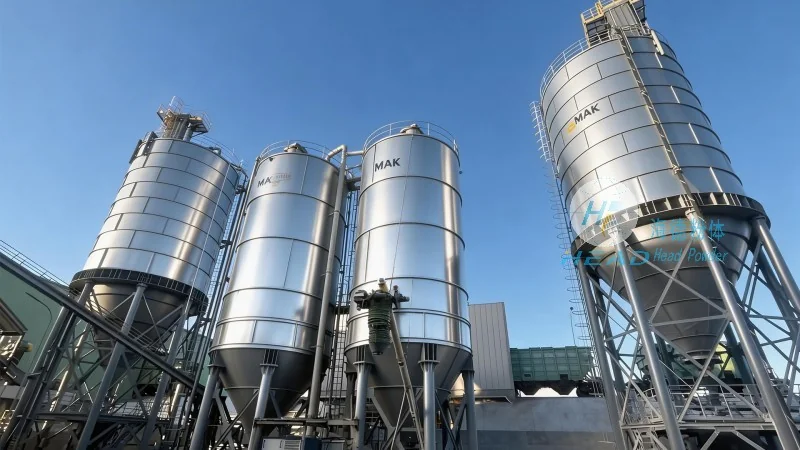
Company Profile: Shandong HeadPowder Engineering Co., Ltd.
HeadPowder, a prominent player in the engineering sector, specializes in the design, manufacturing, and installation of advanced pneumatic conveying systems. With a strong presence in China, particularly in Shandong province, the company has built a reputation for delivering high-quality solutions tailored to the unique needs of its clients. HeadPowder's expertise lies in understanding the challenges associated with handling cocoa powder, such as its fine particle size and tendency to clump, and developing systems that address these issues effectively.
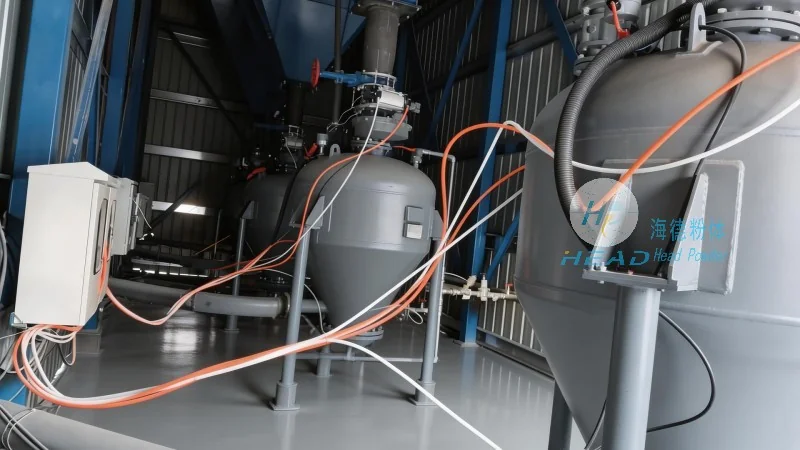
Key Structural Components of the Pneumatic Conveying System
The cocoa powder pneumatic conveying system comprises several essential components that work together to ensure smooth and reliable operation. The primary components include the material hopper, which serves as the storage and feeding unit; the air compressor or blower, which generates the necessary airflow to move the powder; the pipeline network, which transports the material from the hopper to the processing or storage area; and the control valves, which regulate the flow rate and pressure. Each component is carefully designed to handle the specific characteristics of cocoa powder, ensuring optimal performance and minimal risk of clogging or degradation.
Working Principle of the Pneumatic Conveying System
The operation of the system involves a series of coordinated steps. Initially, cocoa powder is fed into the hopper from the bulk storage silo. The air compressor then produces a high-pressure airflow that draws the powder particles into the pipeline. As the powder travels through the pipeline, it is mixed with the air, forming a dense mixture known as a "pneumatic slurry." This mixture is then directed to the processing unit or the next stage of the production line. The system's design ensures that the powder is transported without causing blockages or compromising its quality, maintaining the integrity of the product throughout the process.
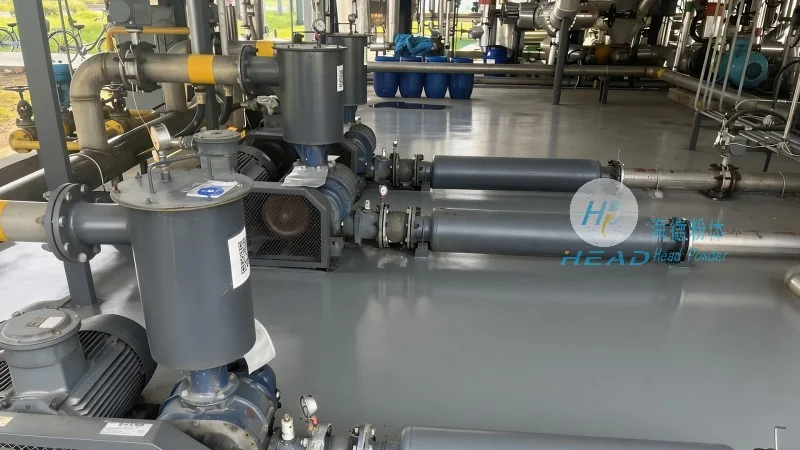
Advantages of Pneumatic Conveying for Cocoa Powder Handling
Compared to traditional mechanical conveying methods, the pneumatic system offers several significant advantages. It eliminates the need for moving parts in the transport line, reducing maintenance costs and the risk of product contamination. The enclosed pipeline system also prevents dust emissions, contributing to a cleaner and safer working environment. Additionally, the system allows for flexible layout configurations, as the pipeline can be installed in various orientations to suit the plant's layout. These benefits make the pneumatic conveying system an ideal choice for cocoa powder handling in modern industrial settings, where efficiency and product quality are paramount.




