Flour pneumatic conveying equipment is a critical component in the modern food processing industry, particularly for the efficient handling and transportation of bulk powders like flour. This equipment plays a vital role in ensuring smooth production workflows, maintaining product quality, and enhancing operational efficiency in flour mills and related facilities. The technology behind these systems is designed to transport dry, fine powders through a pipeline using air pressure, offering a dust-free and hygienic solution compared to traditional methods.
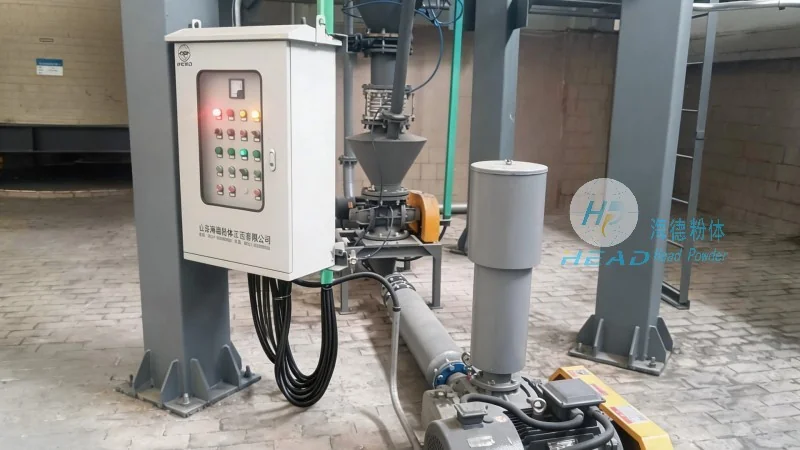
Overview of Flour Pneumatic Conveying Systems
Flour pneumatic conveying systems are engineered to move flour and other similar powders from one location to another within a processing facility. These systems typically consist of several key components, including a hopper for material storage, a conveyor line (often a pipeline), a blower or air compressor to generate the necessary air pressure, and a receiver or discharge point for the material. The entire system is designed to operate under a controlled pressure environment, ensuring that the flour is transported without clogging or degradation.
Key Components and Their Functions
The effectiveness of a flour pneumatic conveying system depends on the proper integration and functionality of its main components. Each part plays a specific role in the overall operation:
1. Hopper: The hopper is the initial storage unit where raw flour is placed. It is designed with a sloped bottom to facilitate the flow of material into the conveyor line. The hopper often includes a feeder mechanism, such as a rotary valve or a star valve, which controls the rate of material discharge into the system. This component ensures a consistent and controlled feed of flour into the pneumatic line.
2. Blower or Air Compressor: The blower or air compressor is the heart of the system, responsible for generating the air pressure needed to move the flour through the pipeline. It creates a negative pressure (suction) or positive pressure (blowing) within the system, depending on the specific conveying method used. The choice between suction and pressure systems depends on factors like the distance to be covered, the height of the conveying line, and the characteristics of the flour being transported.
3. Pipeline: The pipeline is the main conduit through which the flour travels. It is typically made of stainless steel or other corrosion-resistant materials to ensure durability and hygiene. The pipeline is designed with smooth, rounded bends and transitions to minimize friction and prevent material buildup or blockages. The diameter and length of the pipeline are carefully selected based on the volume of flour to be conveyed and the system's pressure requirements.
4. Receiver or Discharge Point: The receiver is the final destination where the flour is deposited after being conveyed through the pipeline. It is usually a large hopper or a storage silo, equipped with a discharge valve to control the release of the material. The receiver may also include a dust collection system to capture any airborne particles, ensuring that the environment remains clean and safe for workers.
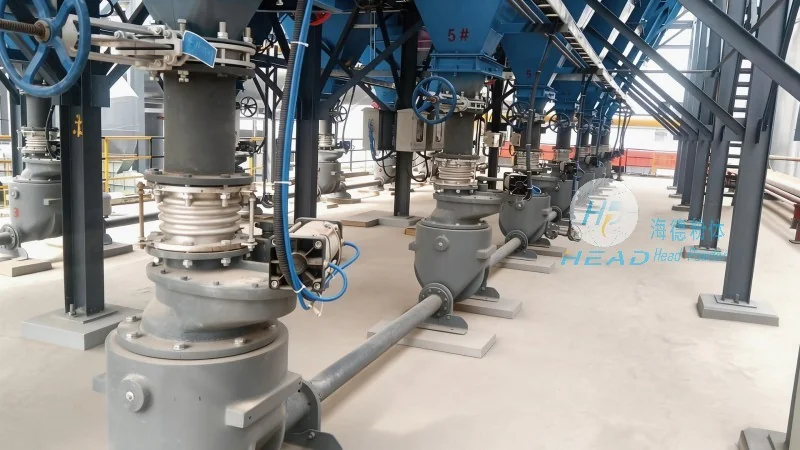
Working Principle of Pneumatic Conveying
The working principle of flour pneumatic conveying involves the use of air to create a flow of material within the pipeline. There are two primary methods of pneumatic conveying: suction (or negative pressure) and pressure (or positive pressure) systems.
Suction Conveying: In a suction system, the blower operates at a lower pressure, creating a negative pressure in the pipeline. This draws the flour from the hopper into the line and transports it to the receiver. Suction systems are commonly used for short to medium distances and are effective for handling fine powders that are prone to clogging.
Pressure Conveying: In a pressure system, the blower operates at a higher pressure, pushing the flour through the pipeline. This method is suitable for longer distances and can handle a wider range of powder types. Pressure systems are often preferred for applications where the conveying distance is significant or where the material needs to be transported at a higher velocity.
Advantages of Flour Pneumatic Conveying Equipment
Flour pneumatic conveying equipment offers several advantages over traditional conveying methods, making it a preferred choice in the food industry:
Dust-Free Operation: Unlike manual or mechanical conveying methods, pneumatic systems transport flour in a sealed pipeline, preventing dust from entering the environment. This reduces the risk of respiratory issues for workers and minimizes the need for extensive cleaning and maintenance.
Hygienic and Sanitary: The stainless steel construction and sealed design of the equipment ensure that the flour remains clean and free from contamination. This is crucial in food processing, where hygiene standards are strictly regulated.
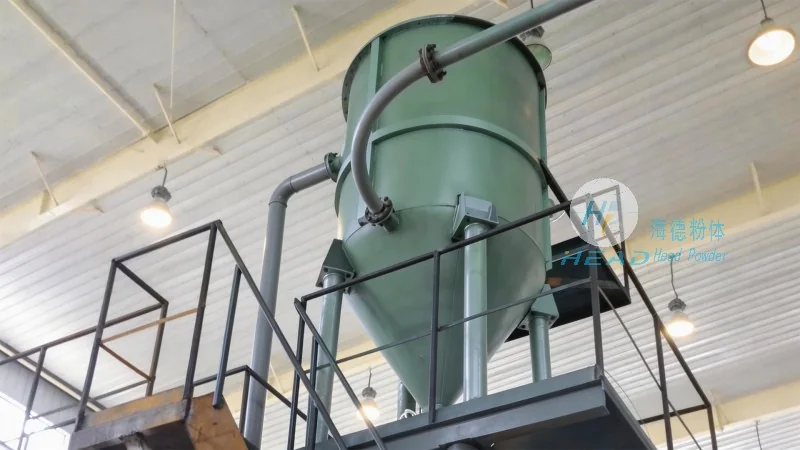
Efficient and Flexible: Pneumatic conveying systems can be easily adjusted to handle varying volumes of flour, making them versatile for different production needs. They can also be integrated with other processing equipment, such as mixers or ovens, to create a seamless production line.
Reduced Labor and Maintenance: Automated systems reduce the need for manual labor in material handling, lowering labor costs and minimizing the risk of human error. The sealed design also reduces the need for frequent cleaning and maintenance, as there are fewer moving parts exposed to the material.
Applications in the Flour Industry
Flour pneumatic conveying equipment is widely used in various applications within the flour and food processing industry. Some common applications include:
Transportation from Mill to Storage: After flour is milled, it is transported from the milling machine to storage silos using pneumatic conveying systems. This ensures that the flour is moved quickly and efficiently, without the risk of contamination.
Conveying to Packaging Lines: Flour is often conveyed directly to packaging machines, where it is filled into bags or containers. The pneumatic system ensures that the flour is delivered to the packaging line in a controlled manner, maintaining product quality and consistency.
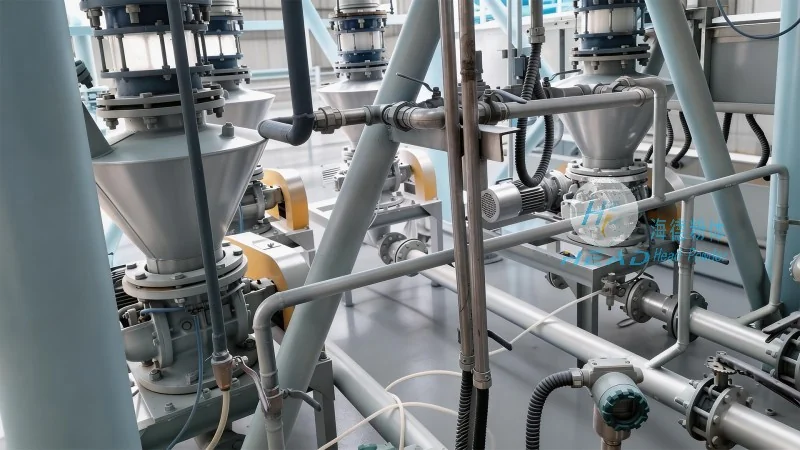
Integration with Processing Equipment: Pneumatic conveying can be integrated with other processing equipment, such as mixers, blenders, or ovens, to transport flour to the next stage of production. This allows for a continuous and automated production process.
Company Information: Shandong HeadPowder Engineering Co., Ltd.
Shandong HeadPowder Engineering Co., Ltd., operating under the brand name headpowder, is a leading manufacturer of flour pneumatic conveying equipment. The company is based in Shandong, China, and specializes in designing, manufacturing, and supplying high-quality conveying systems for the food processing industry. With years of experience in the field, headpowder has developed a reputation for producing reliable and efficient equipment that meets the strictest industry standards.
The company's products are engineered to handle the unique challenges of flour processing, including the need for dust-free, hygienic, and efficient material handling. Each system is customized to meet the specific requirements of the client, ensuring optimal performance and long-term reliability.
Headpowder's commitment to quality and customer satisfaction has made it a trusted partner for many flour mills and food processing facilities worldwide. The company's products are known for their durability, ease of maintenance, and ability to enhance overall production efficiency.
Location and Contact
Shandong HeadPowder Engineering Co., Ltd. is located in Shandong, China. The company's facilities are equipped with state-of-the-art manufacturing equipment and a team of experienced engineers who are dedicated to delivering the best possible solutions for flour pneumatic conveying needs.
Whether you are a new or existing customer, headpowder is committed to providing the support and service you need to ensure your conveying system operates at its best. With a focus on quality, innovation, and customer satisfaction, headpowder is the ideal partner for all your flour processing equipment needs.




