Molybdenum oxide, a crucial material in industries such as catalyst production, pigment manufacturing, and chemical synthesis, requires specialized handling to preserve its quality and ensure safe transportation. Pneumatic conveying systems have become a preferred solution due to their ability to transport powders like molybdenum oxide with minimal dust, reduced material degradation, and enhanced process control. This article provides an overview of molybdenum oxide pneumatic conveying equipment, focusing on its structural design and operational principles.
Key Components of Molybdenum Oxide Pneumatic Conveying Systems
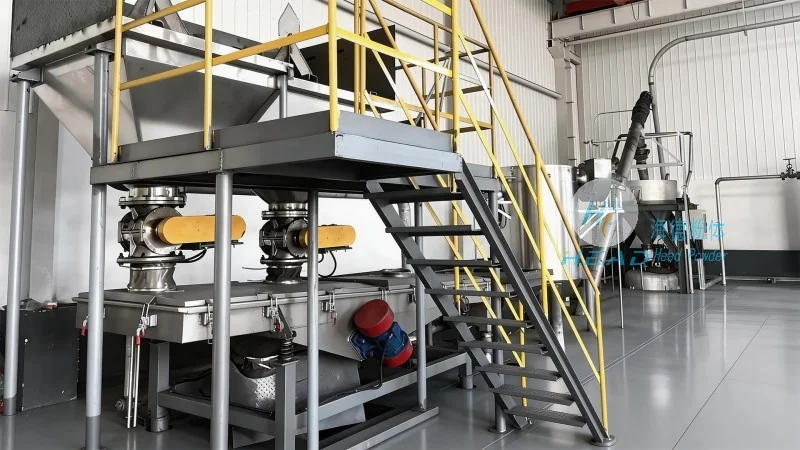
The molybdenum oxide pneumatic conveying system typically consists of several interconnected components that work in tandem to achieve efficient material transport. The primary components include the material feed hopper, air supply system, conveying pipeline, separation unit, and control mechanisms. Each component plays a crucial role in the overall performance of the system.
Material Feed Hopper and Feeder
The material feed hopper is the initial stage where molybdenum oxide is stored before being introduced into the conveying system. It is designed to hold a sufficient quantity of material to ensure continuous operation without frequent refilling. The hopper is equipped with a feeder, often a rotary valve or a screw feeder, which regulates the flow of molybdenum oxide into the conveying pipeline. The feeder controls the rate of material discharge, preventing overloading or underloading of the system. This component is critical for maintaining a consistent flow rate, which is essential for stable pneumatic conveying.
Air Supply System and Compressor
The air supply system is responsible for generating the necessary pressure and airflow to move molybdenum oxide through the conveying pipeline. A high-pressure compressor is typically used to deliver compressed air or gas (often air) at the required pressure and volume. The compressor is connected to a filter and regulator to ensure the air quality is suitable for handling molybdenum oxide, preventing contamination from moisture or particulates. The pressure and flow rate of the air are adjustable to match the specific characteristics of the molybdenum oxide being conveyed, such as particle size and density.
Conveying Pipeline and Flow Paths
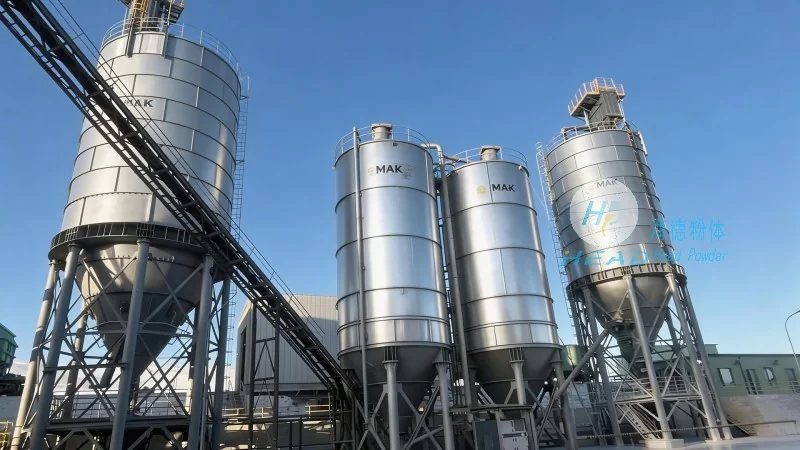
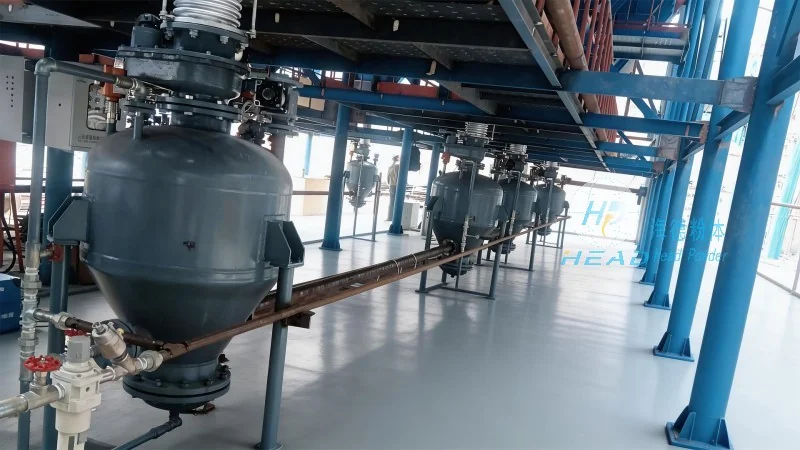
The conveying pipeline is the core of the pneumatic system, where molybdenum oxide is transported from the feed hopper to the destination point. The pipeline is usually made of materials resistant to corrosion and abrasion, such as stainless steel or special plastic composites, to withstand the chemical properties of molybdenum oxide and the abrasive nature of the powder. The design of the pipeline includes bends, elbows, and straight sections, which are strategically placed to guide the material flow efficiently. The pipeline is also equipped with pressure sensors and flow meters to monitor the system's performance in real-time.
Separation Unit and Collection System
The separation unit is the final stage of the pneumatic conveying system, where molybdenum oxide is separated from the air stream and collected. This unit typically consists of a cyclone separator or a bag filter, depending on the system design. The cyclone separator uses centrifugal force to separate the powder from the air, directing the molybdenum oxide to a collection bin or hopper. The bag filter, on the other hand, uses fabric bags to trap the fine particles, ensuring that the exhaust air is clean and meets environmental regulations. The separation efficiency of this unit is critical for preventing material loss and maintaining the purity of the molybdenum oxide.
Control and Monitoring Systems
Modern molybdenum oxide pneumatic conveying systems are equipped with advanced control and monitoring systems to optimize performance and ensure safety. These systems include pressure transducers, flow meters, and level sensors that provide real-time data on the system's operation. The control panel allows operators to adjust the air pressure, flow rate, and feeder speed as needed, ensuring that the system operates within safe and efficient parameters. Additionally, the system may include alarms and safety interlocks to prevent overpressure or material blockages, enhancing the overall safety of the operation.
Operational Principles and Efficiency
The operational principle of a molybdenum oxide pneumatic conveying system is based on the creation of a gas-solid flow, where the air stream carries the powder particles through the pipeline. The system operates in either positive or negative pressure mode, depending on the application. In positive pressure systems, the air is forced into the pipeline, creating a pressure higher than the ambient air, which helps to move the material. In negative pressure systems, the air is drawn out of the pipeline, creating a vacuum that pulls the material. The choice between positive and negative pressure depends on factors such as the distance to be covered, the height of the conveying line, and the characteristics of the molybdenum oxide.
Advantages of Molybdenum Oxide Pneumatic Conveying Equipment
Using pneumatic conveying equipment for molybdenum oxide offers several advantages over traditional methods like belt conveyors or bucket elevators. First, it minimizes dust generation, reducing the risk of inhalation by operators and preventing contamination of the material. Second, it prevents material degradation due to friction or impact, which is common in mechanical conveying systems. Third, it allows for precise control over the flow rate and pressure, ensuring consistent material delivery to the processing unit. Fourth, it is suitable for long-distance and high-rise conveying, making it ideal for large-scale industrial applications. These advantages make molybdenum oxide pneumatic conveying equipment a preferred choice for many industries.
Applications and Industries
Molybdenum oxide is used in a wide range of industries, and the pneumatic conveying equipment is tailored to meet the specific needs of these applications. In the chemical industry, molybdenum oxide is used as a catalyst in the production of sulfuric acid and other chemicals. The pneumatic conveying system ensures that the catalyst is delivered to the reactors without any contamination. In the pigment industry, molybdenum oxide is used as a pigment in paints and coatings. The system helps to maintain the color quality and consistency of the pigment. In the metallurgical industry, molybdenum oxide is used as a raw material for producing molybdenum metal. The pneumatic conveying system ensures that the raw material is transported efficiently to the smelting process. These applications highlight the importance of reliable and efficient molybdenum oxide pneumatic conveying equipment.
Conclusion
Molybdenum oxide pneumatic conveying equipment is a critical component in the handling and transportation of molybdenum oxide in various industrial processes. The system's design, which includes a material feed hopper, air supply system, conveying pipeline, separation unit, and control mechanisms, ensures efficient and safe operation. The operational principles, based on gas-solid flow, allow for precise control and minimal material degradation. The advantages of this equipment, such as reduced dust and improved material quality, make it a preferred choice for many industries. As the demand for molybdenum oxide continues to grow, the importance of reliable pneumatic conveying systems will only increase. Companies like Shandong HeadPowder Engineering Co., Ltd., based in China, specialize in designing and manufacturing such equipment, providing customized solutions to meet the specific needs of their clients.




