HeadPowder, a professional manufacturer based in Shandong, China, specializes in the design and production of advanced pneumatic conveying equipment tailored for silage material handling. This article provides an overview of the equipment's structure and operational principles, highlighting its efficiency and reliability in agricultural applications.
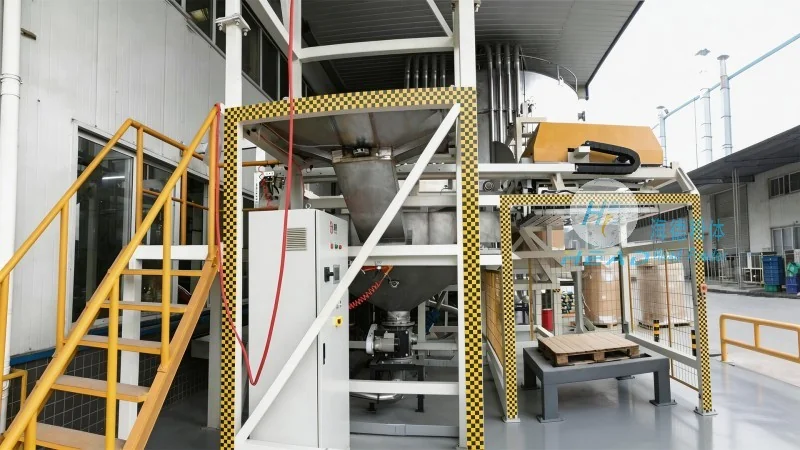
Overview of Silage Material Pneumatic Conveying Equipment
Silage, a fermented forage used as animal feed, requires efficient and hygienic handling to maintain its nutritional value and prevent spoilage. Pneumatic conveying systems offer a solution by transporting silage through a closed pipeline using air pressure, eliminating the need for open chutes and reducing contamination risks. The equipment is designed to handle various types of silage, including chopped or whole plant materials, and is suitable for both on-farm and commercial-scale operations.
Key Components and Structure of the Pneumatic Conveying System
The silage pneumatic conveying equipment typically consists of several core components that work in tandem to ensure smooth material transport. The primary components include a high-capacity blower or fan, which generates the necessary air pressure to move the silage; a hopper or feeder that stores and meters the material; a pipeline network that transports the material from the source to the destination; and a receiver or discharge unit that collects the material at the end of the line. Each component is engineered to withstand the demands of continuous operation and the abrasive nature of silage, ensuring long-term durability.
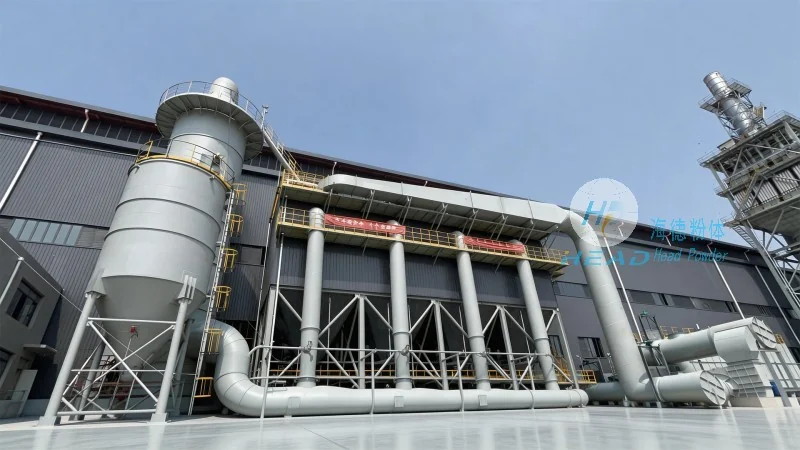
Working Principle of the Pneumatic Conveying Process
The operation of the silage pneumatic conveying system follows a simple yet effective principle. The feeder introduces the silage into the pipeline, where it is mixed with a stream of air generated by the blower. The air-silage mixture is then propelled through the pipeline by the pressure differential created by the fan. The system can operate in either positive or negative pressure modes, depending on the application. In positive pressure systems, the blower pushes air and material through the line, while in negative pressure systems, the fan pulls material into the line. The choice of mode depends on factors such as the distance of transport, the material's density, and the need to minimize dust emissions.
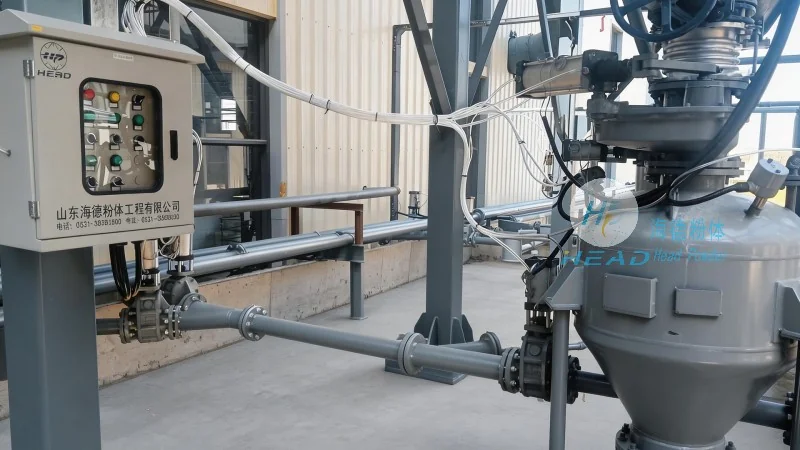
Advantages of Using Pneumatic Conveying for Silage Handling
Compared to traditional methods like belt conveyors or bucket elevators, pneumatic conveying offers several advantages for silage handling. Firstly, it provides a fully enclosed system, which helps maintain the quality of the silage by preventing exposure to air, moisture, and contaminants. Secondly, the equipment is highly flexible, allowing for easy reconfiguration of the pipeline to accommodate changes in the layout of the farm or storage facilities. Thirdly, it reduces labor costs and operational time, as the system can transport large volumes of material over long distances with minimal human intervention. Additionally, the absence of moving parts in the pipeline reduces maintenance requirements and extends the lifespan of the equipment.
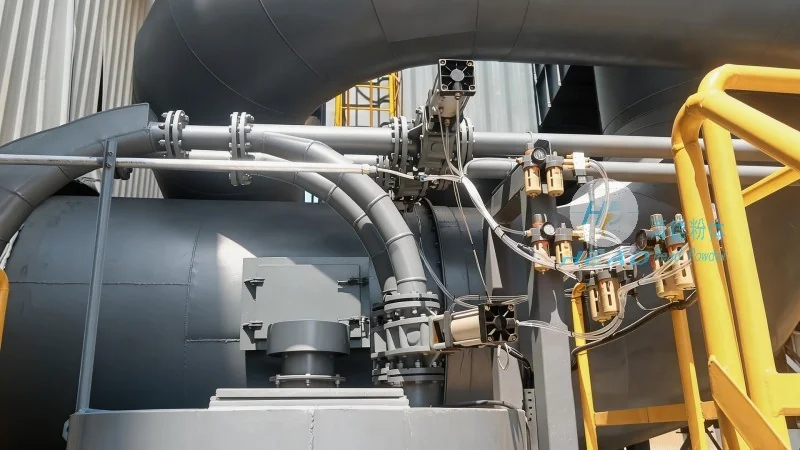
Customization and Application Flexibility
HeadPowder understands that different farms and agricultural operations have unique requirements. Therefore, the company offers customized solutions tailored to specific needs. The pneumatic conveying equipment can be adjusted in terms of capacity, pressure, and pipeline length to suit the volume of silage to be handled. For example, for small-scale farms, a compact system with a lower capacity blower may be sufficient, while large commercial operations may require a high-capacity system with multiple pipelines and a larger receiver. The company also provides options for different types of silage, such as wet or dry chopped forage, ensuring that the equipment can handle a wide range of materials.
Conclusion
HeadPowder's silage material pneumatic conveying equipment represents a reliable and efficient solution for modern agricultural operations. By understanding the structure and working principles of the system, farmers and agricultural businesses can make informed decisions about implementing this technology to improve their material handling processes. With its enclosed design, flexibility, and durability, the equipment helps maintain the quality of silage while reducing operational costs and labor requirements. As a leading manufacturer based in Shandong, China, HeadPowder continues to innovate and provide high-quality equipment that meets the evolving needs of the agricultural industry.




