HeadPowder, the abbreviation for Shandong HeadPowder Engineering Co., Ltd., is a professional manufacturer and supplier of pneumatic conveying equipment. The company is headquartered in Shandong, China, and specializes in the design, development, and production of advanced coal particle pneumatic conveying systems. With a focus on innovation and quality, HeadPowder aims to provide reliable and efficient solutions for bulk material handling in various industrial applications.
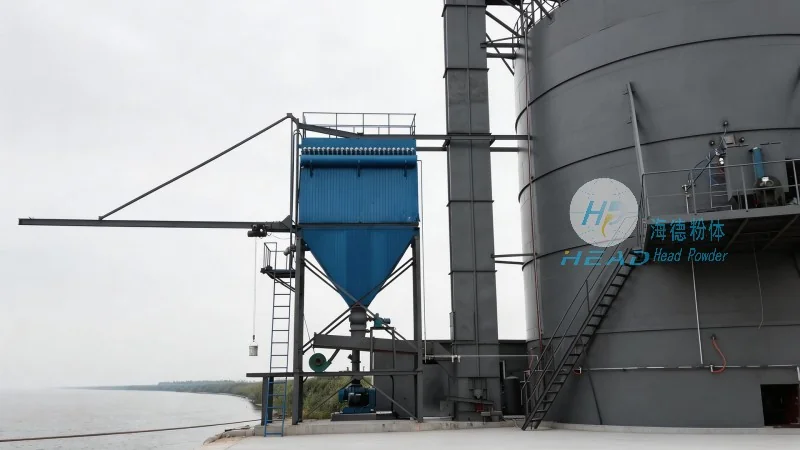
Overview of Coal Particle Pneumatic Conveying Equipment
Pneumatic conveying equipment is a critical component in the transportation of coal particles from one location to another within industrial facilities. This technology utilizes air or gas to move bulk materials through a pipeline system, eliminating the need for mechanical components like belts or buckets. The system typically consists of a feeding unit, a conveying pipeline, a control system, and a discharge unit. The coal particles are introduced into the system at the feeding point, where they are mixed with the air stream and propelled through the pipeline to the discharge point. This method offers several advantages, including low maintenance costs, high conveying capacity, and the ability to handle a wide range of particle sizes and moisture contents.
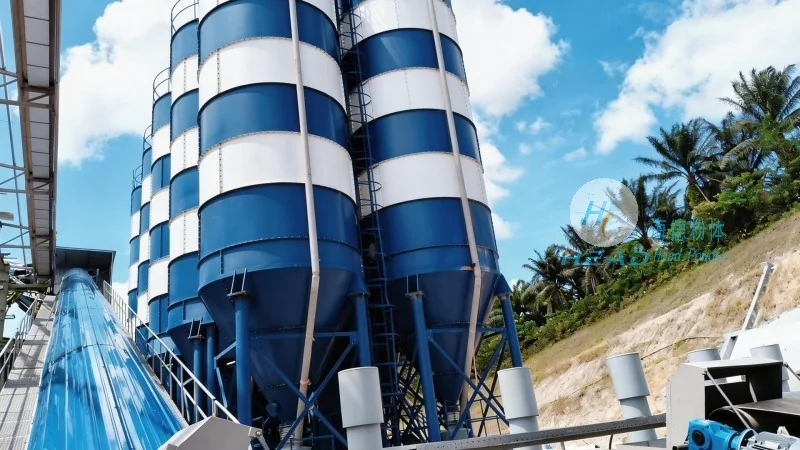
Structural Components of Pneumatic Conveying Systems
The structure of a coal particle pneumatic conveying system is designed to ensure efficient and reliable operation. Key components include the hopper or feeder, which stores and feeds the coal particles into the system. The feeder may be a rotary valve or a screw feeder, depending on the specific requirements of the application. The conveying pipeline is made of durable materials such as stainless steel or plastic, which can withstand the abrasive nature of coal particles and resist corrosion. The pipeline is equipped with bends, elbows, and straight sections to guide the material flow. At the discharge end, a receiver or silo collects the conveyed coal, and a discharge valve or outlet allows for controlled release. The control system, often integrated with sensors and valves, monitors the pressure, flow rate, and temperature within the system, ensuring safe and efficient operation.
Working Principle of Coal Particle Pneumatic Conveying
The working principle of a coal particle pneumatic conveying system involves the creation of a pressure differential between the feeding and discharge points. Air is supplied to the system at a high velocity, creating a flow that entrains the coal particles and carries them through the pipeline. The air velocity must be sufficient to overcome the gravitational force acting on the particles and to maintain a stable flow. The system operates in either positive or negative pressure modes. In positive pressure systems, the conveying pipeline is pressurized above atmospheric pressure, while negative pressure systems create a vacuum at the discharge end. The choice between these modes depends on the distance to be covered, the particle size, and the required conveying capacity. The system's efficiency is influenced by factors such as the air-to-material ratio, the pipeline diameter, and the number of bends. Proper design and maintenance are essential to maximize the system's performance and minimize energy consumption.
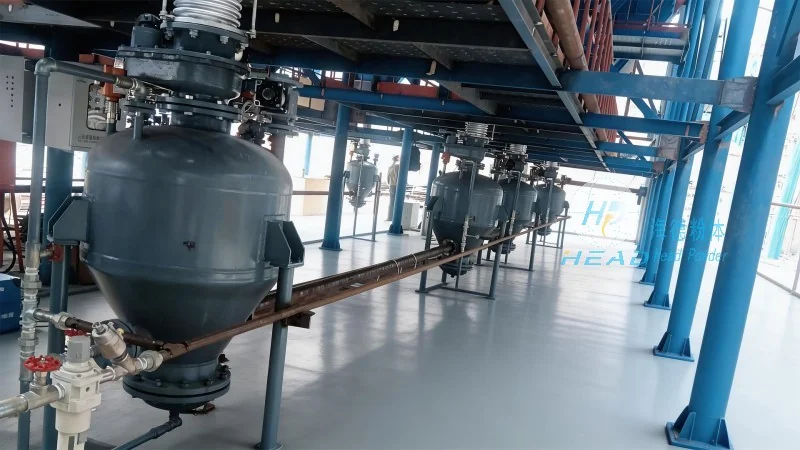
Applications and Benefits of Coal Particle Pneumatic Conveying
Coal particle pneumatic conveying equipment is widely used in various industries, including power generation, mining, and chemical processing. In power plants, the system is used to transport coal from storage silos to boilers, ensuring a continuous and reliable fuel supply. In mining operations, the equipment is employed to move coal from the mine face to processing facilities, improving operational efficiency and reducing labor costs. The benefits of using pneumatic conveying systems include reduced labor requirements, minimized material handling time, and improved safety by eliminating the need for manual handling of bulk materials. Additionally, the system can handle materials with high moisture content or corrosive properties, making it suitable for a wide range of applications. The low maintenance requirements and long service life of the equipment further contribute to its cost-effectiveness, making it an attractive option for industrial facilities seeking to optimize their material handling processes.




