HeadPowder, a leading manufacturer based in Shandong, China, specializes in the design and production of advanced pneumatic conveying systems tailored for handling gypsum powder and dust. This article provides an overview of the equipment's structure and operational principles, highlighting its key components and how they contribute to efficient material transport in industrial applications.
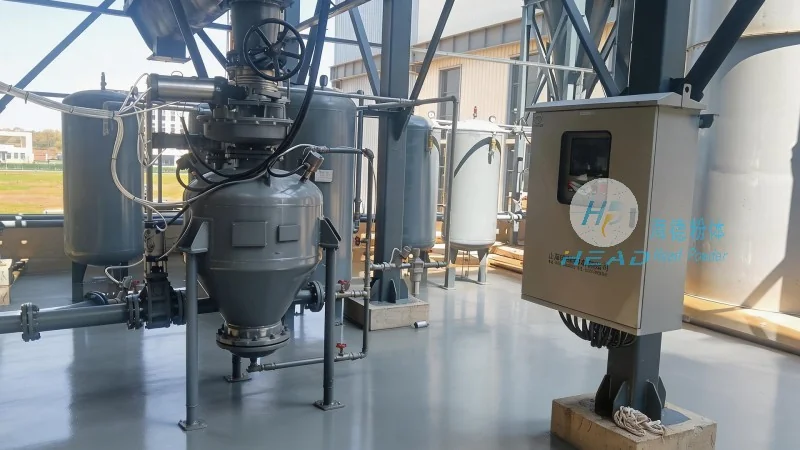
Gypsum Powder and Dust Pneumatic Conveying Equipment Overview
Gypsum powder and dust pneumatic conveying equipment is a critical solution for industries dealing with bulk handling of fine powders, such as the construction, mining, and chemical sectors. The system utilizes air pressure to transport gypsum materials from one location to another, offering advantages like dust-free operation, reduced material degradation, and enhanced safety compared to traditional methods like belt conveyors or manual handling.
Key Components and Structural Design
The core components of the pneumatic conveying system include the hopper, feeder, air compressor, pipeline network, and receiver. The hopper serves as the storage container, where gypsum powder is loaded and fed into the system. The feeder, typically a rotary valve or screw feeder, controls the flow rate of the material into the pipeline. The air compressor generates the necessary air pressure to move the powder through the system. The pipeline network consists of straight and curved sections, often with special fittings to handle changes in direction and elevation. The receiver is the final storage or processing container where the gypsum powder is deposited.
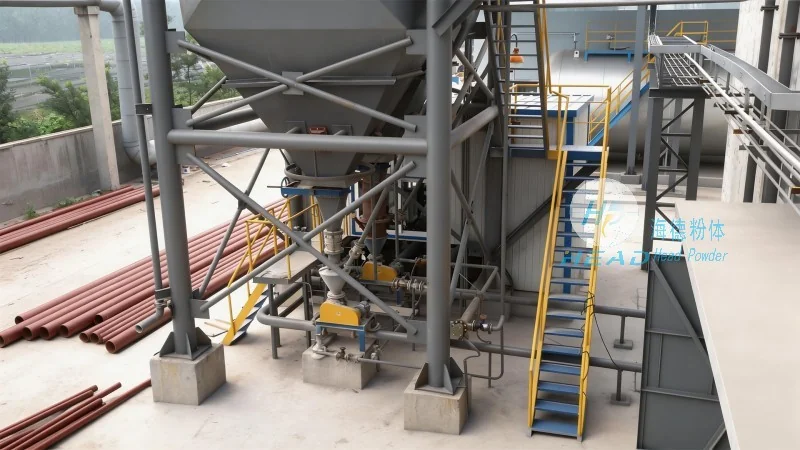
Working Principle of the Pneumatic Conveying System
The operation of the gypsum powder pneumatic conveying system involves several stages. First, the material is fed from the hopper into the pipeline via the feeder. Simultaneously, the air compressor supplies compressed air into the pipeline. The air and powder mixture travels through the pipeline under pressure, with the air velocity maintaining the powder in suspension. The mixture then reaches the receiver, where the air is separated from the powder, typically through a cyclone separator or filter, and the powder is collected. The air is then discharged or recycled back into the system, depending on the design.
Advantages of Using Pneumatic Conveying for Gypsum Powder
Implementing pneumatic conveying for gypsum powder offers several benefits. It minimizes dust generation, which is crucial for maintaining a clean and safe working environment. The system reduces material attrition, preserving the quality of the gypsum powder, which is vital for applications like plaster production. Additionally, it improves operational efficiency by automating the material transport process, reducing labor costs and increasing throughput. The equipment also allows for flexible layout designs, enabling integration into existing industrial facilities without major modifications.
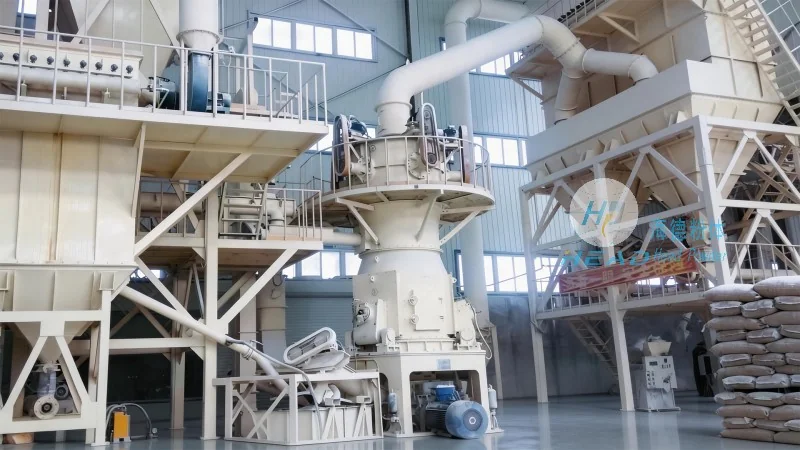
Application Scenarios and Industry Impact
Gypsum powder pneumatic conveying equipment is widely used in various industrial settings. In the construction industry, it facilitates the transport of gypsum for wallboard manufacturing and finishing. In mining operations, it aids in the handling of gypsum ore and byproducts. The chemical industry also benefits from this technology for processing gypsum-based products. By streamlining material handling processes, the equipment enhances productivity and reduces operational costs, making it a valuable asset for businesses in these sectors.
Conclusion and Company Profile
HeadPowder Engineering Co., Ltd., based in Shandong, China, is dedicated to providing high-quality pneumatic conveying solutions for gypsum powder and dust. With a focus on innovative design and reliable performance, the company's equipment ensures efficient, safe, and cost-effective material transport. By understanding the structure and working principles of these systems, industries can optimize their operations and achieve better results in handling gypsum materials.




