Shandong HeadPowder Engineering Co., Ltd., a professional manufacturer based in Shandong, China, specializes in the design, development, and production of advanced pneumatic conveying systems. This article provides an overview of continuous quantitative pneumatic conveying lines, focusing on their structural design and operational principles to help clients understand the technology and its applications.
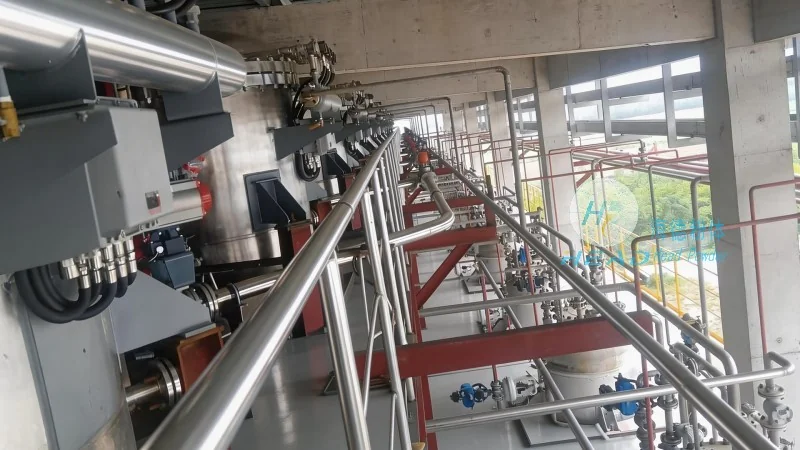
Overview of Continuous Quantitative Pneumatic Conveying Systems
Continuous quantitative pneumatic conveying systems are industrial equipment used to transport bulk materials such as powders, granules, and fine particles through a pipeline using compressed air. Unlike traditional batch or intermittent conveying methods, these systems offer a continuous, controlled flow of material, ensuring precise and consistent delivery. The primary goal of such systems is to achieve efficient material handling with minimal product degradation, making them ideal for industries like food, pharmaceuticals, chemicals, and minerals.
Key Structural Components of the System
The continuous quantitative pneumatic conveying line typically consists of several critical components that work in tandem to ensure smooth operation. The main parts include the material feed hopper, the air supply system, the conveying pipeline, the control valves, and the discharge unit. Each component plays a vital role in maintaining the system's efficiency and reliability.
1. Material Feed Hopper: This is the initial component where bulk materials are stored before being fed into the system. It is designed to hold a sufficient quantity of material to support continuous operation. The hopper is equipped with a feeding mechanism, such as a rotary valve or a screw feeder, which regulates the flow of material into the pipeline. The design of the hopper ensures that material is discharged uniformly and without segregation, which is crucial for maintaining product quality.
2. Air Supply System: Compressed air is the driving force for the pneumatic conveying process. The system includes an air compressor, air dryer, and filtration unit to ensure the air is clean and dry. The air compressor generates the necessary pressure to move the material through the pipeline. The dryer removes moisture from the air, preventing material caking or clumping, which could obstruct the pipeline or affect the conveying efficiency.
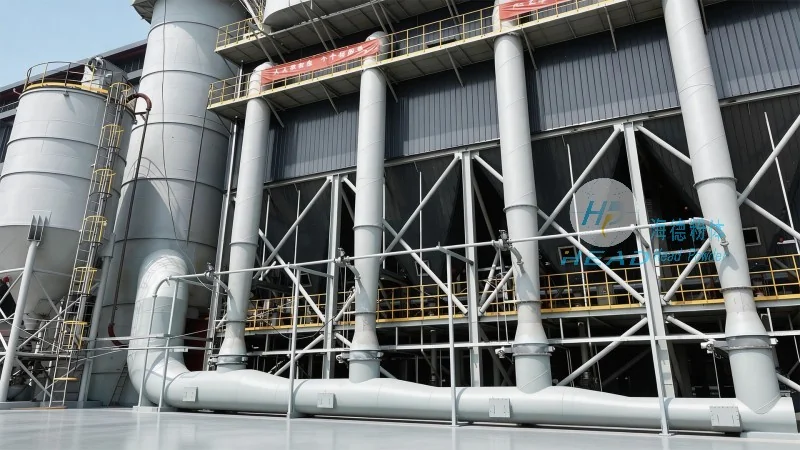
3. Conveying Pipeline: The pipeline is the main channel through which the material and air travel. It is usually made of stainless steel or other corrosion-resistant materials to handle various types of materials and prevent contamination. The pipeline is equipped with bends, elbows, and straight sections, which are designed to minimize pressure loss and ensure smooth material flow. The diameter and length of the pipeline are carefully selected based on the material characteristics and the required conveying distance.
4. Control Valves: These valves regulate the flow of air and material within the system. They include check valves, pressure relief valves, and flow control valves. The check valves prevent backflow of material or air, ensuring the system operates in a single direction. The pressure relief valves protect the system from overpressure, while the flow control valves adjust the air flow rate to maintain the desired conveying speed and material quantity.
5. Discharge Unit: At the end of the pipeline, the material is discharged into a receiving container or storage silo. The discharge unit is designed to handle the material efficiently and prevent spillage or contamination. It may include a rotary valve or a gate valve to control the discharge rate. The design of the discharge unit ensures that the material is discharged uniformly and without any blockages.
Working Principles of the Continuous Quantitative Pneumatic Conveying System
The operation of the continuous quantitative pneumatic conveying system is based on the principle of fluidization and suspension of the material particles in the air stream. The compressed air is introduced into the material feed hopper, creating a low-pressure zone that draws the material into the pipeline. The air and material mixture travels through the pipeline at a high velocity, keeping the particles suspended and preventing them from settling or caking.
The system operates in a continuous mode, where the material is fed at a constant rate and the air flow is adjusted to maintain the desired conveying speed. The control system monitors the pressure, flow rate, and material level in real-time, ensuring that the system operates within the optimal parameters. Any deviations are automatically corrected by the control valves, maintaining the stability of the conveying process.
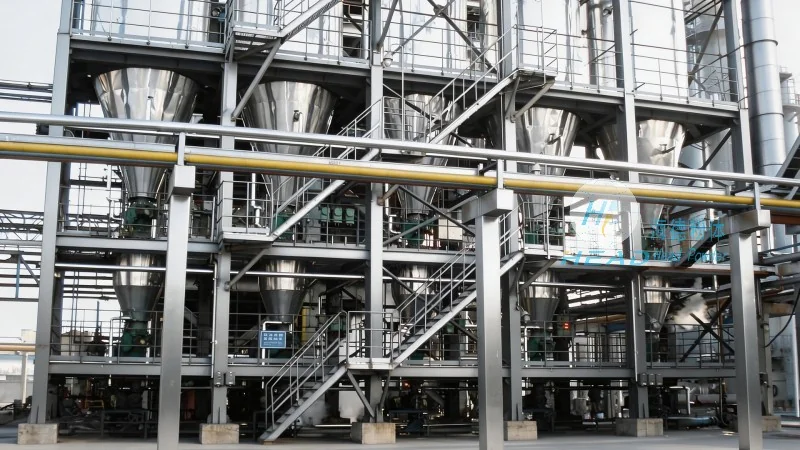
The quantitative aspect of the system is achieved through the precise control of the material feed rate and the air flow rate. The rotary valve or screw feeder in the hopper regulates the material flow, while the air compressor and control valves adjust the air pressure and flow. By maintaining a consistent ratio between the material and air, the system ensures that the material is conveyed at a precise rate, meeting the requirements of the downstream process.
Advantages of Continuous Quantitative Pneumatic Conveying Systems
Continuous quantitative pneumatic conveying systems offer several advantages over traditional material handling methods. First, they provide a continuous and controlled flow of material, which improves the efficiency of the production process. Second, they minimize product degradation by reducing the time the material is exposed to air and by preventing mechanical damage. Third, they are flexible and can be easily integrated into existing production lines. Fourth, they are compact and require less floor space compared to other conveying methods. Finally, they are energy-efficient, as the compressed air is used efficiently to move the material.
Applications in Various Industries
Continuous quantitative pneumatic conveying systems are widely used in various industries due to their versatility and efficiency. In the food industry, they are used to transport powders such as flour, sugar, and milk powder. In the pharmaceutical industry, they are used to convey active pharmaceutical ingredients (APIs) and other fine powders. In the chemical industry, they are used to transport chemicals, pigments, and other bulk materials. In the minerals industry, they are used to convey ores, coal, and other raw materials. The systems are also used in the agricultural industry to transport grains and other agricultural products.
Conclusion
Continuous quantitative pneumatic conveying systems are advanced industrial equipment that offers efficient and reliable material handling solutions. The systems are designed with precision and care, ensuring that they meet the requirements of various industries. Shandong HeadPowder Engineering Co., Ltd. is a leading manufacturer of these systems, providing high-quality products and services to clients worldwide. By understanding the structure and working principles of these systems, clients can make informed decisions about their material handling needs and choose the most suitable solution for their applications.




