HeadPowder, a leading manufacturer based in Shandong, China, specializes in the design and production of advanced dust-free pneumatic conveying systems. This article provides a comprehensive overview of these systems, detailing their structural components and operational principles to help users understand their functionality and benefits.
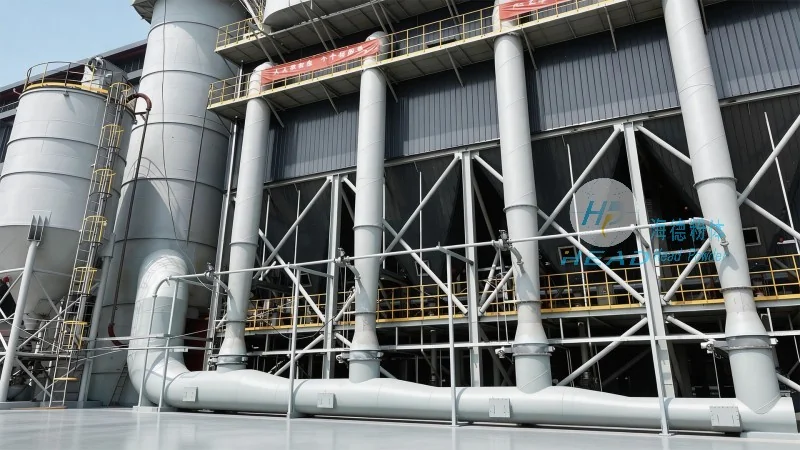
Overview of Dust-Free Pneumatic Conveying Systems
Dust-free pneumatic conveying systems are engineered to transport bulk materials, such as powders and granules, in a controlled, enclosed environment. Unlike traditional open systems that may lead to dust emissions and contamination, these systems utilize airtight components and sealed pipelines to maintain a clean and safe operation. The primary goal is to ensure that the material is moved efficiently while minimizing environmental impact and product degradation.
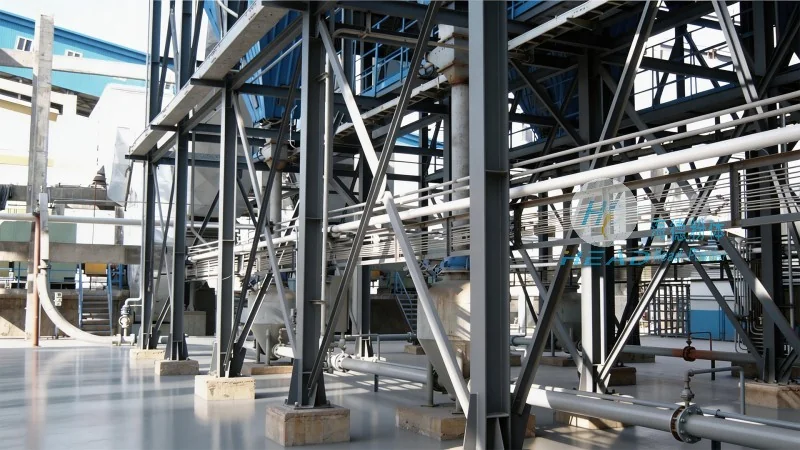
Structural Components and Working Principles
The core structure of a dust-free pneumatic conveying system typically includes several key components, each playing a critical role in the overall operation. The system generally consists of a material feeder, a conveying pipeline, a separation unit, and a control system. The material feeder is responsible for introducing the bulk material into the system, often with a rotary valve or a screw feeder to regulate the flow rate. The conveying pipeline, usually made of stainless steel or other corrosion-resistant materials, transports the material and air mixture through the system. The separation unit, such as a cyclone or a bag filter, separates the material from the air, allowing the material to be collected and the air to be filtered before being discharged. The control system manages the pressure, flow rate, and other parameters to ensure smooth and consistent operation.
Key Features and Advantages
Dust-free pneumatic conveying systems offer several advantages over traditional methods. Firstly, they provide a completely enclosed environment, preventing dust from escaping into the workplace and reducing the risk of inhalation or contamination. This is particularly important for materials that are hazardous or sensitive to moisture and air exposure. Secondly, these systems are highly efficient, capable of transporting materials over long distances with minimal energy consumption. The use of air as the conveying medium allows for a flexible and adaptable system that can be easily integrated into existing production lines. Additionally, the systems are designed for easy maintenance and cleaning, with components that can be disassembled and sanitized to maintain hygiene standards.
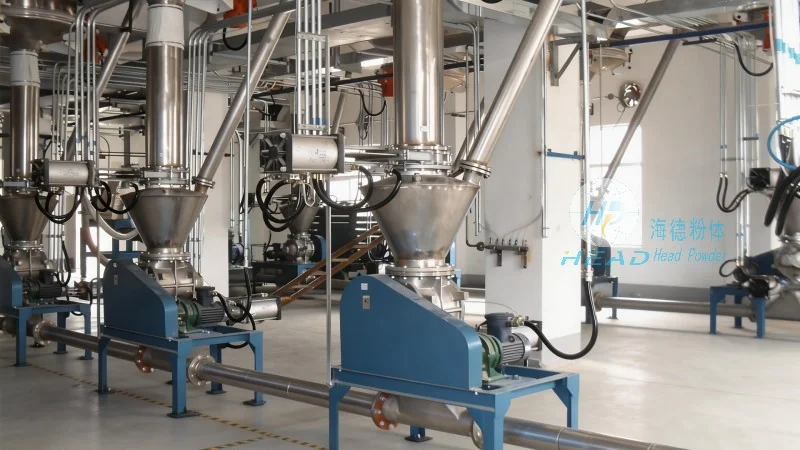
Application Scenarios
Dust-free pneumatic conveying systems are widely used in various industries, including pharmaceuticals, food processing, chemical manufacturing, and mining. In the pharmaceutical industry, for example, these systems are essential for transporting active ingredients and finished products without compromising purity or quality. In food processing, they ensure that powders and granules are handled hygienically, preventing cross-contamination and maintaining product safety. In chemical manufacturing, the systems help in transporting reactive or toxic materials safely, reducing the risk of accidents and environmental pollution. The versatility of these systems makes them suitable for a wide range of applications, from small-scale laboratory use to large-scale industrial production.




