For industrial applications involving the handling of nickel sulfate, efficient and reliable material transport is crucial. This article provides an overview of the nickel sulfate pneumatic conveying system, detailing its structural design and operational principles. The system is engineered to ensure safe, high-capacity transport of nickel sulfate, a key chemical in various industrial processes.
Company Profile and Background
HeadPowder, a leading engineering company based in Shandong, China, specializes in the design and manufacturing of advanced material handling solutions. With a focus on innovation and precision, HeadPowder has established itself as a trusted provider of pneumatic conveying systems for diverse industrial sectors. The company's expertise lies in developing customized solutions that meet the specific requirements of clients, ensuring optimal performance and durability.
Overview of the Nickel Sulfate Pneumatic Conveying System
The nickel sulfate pneumatic conveying system is a sophisticated piece of equipment designed to transport nickel sulfate powder through a pipeline using air or other gas as the conveying medium. This method offers several advantages over traditional mechanical conveying systems, including reduced equipment wear, lower maintenance costs, and the ability to handle materials in a dust-free environment. The system is particularly suitable for applications where the material is sensitive to moisture or contamination, as the enclosed pipeline prevents exposure to external elements.
Structural Components and Design
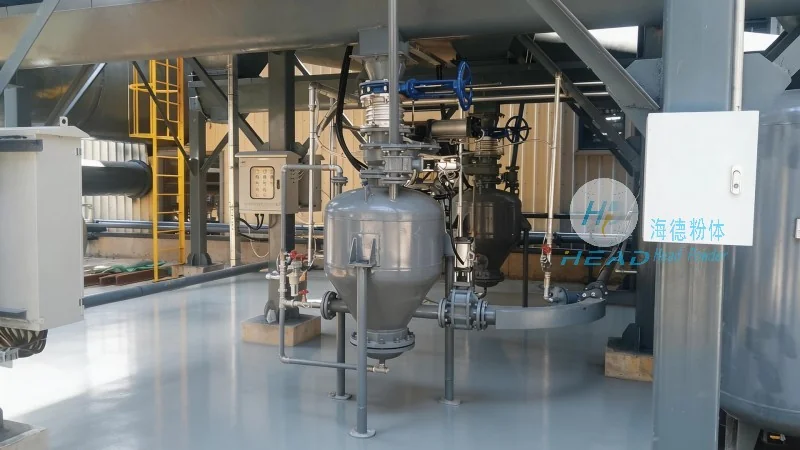
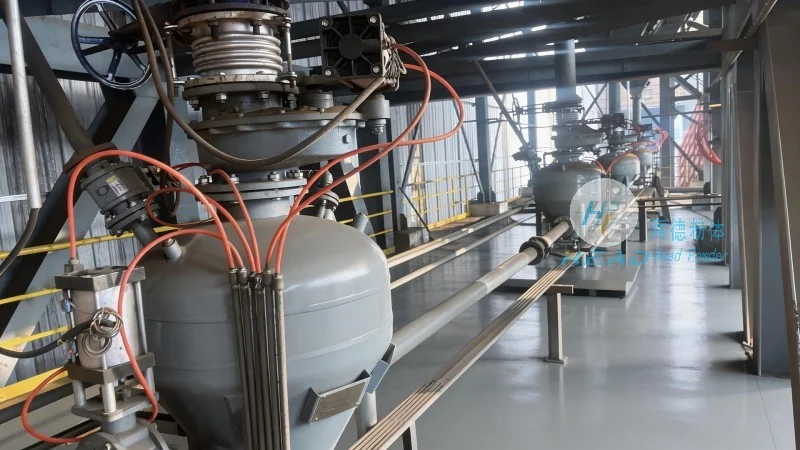
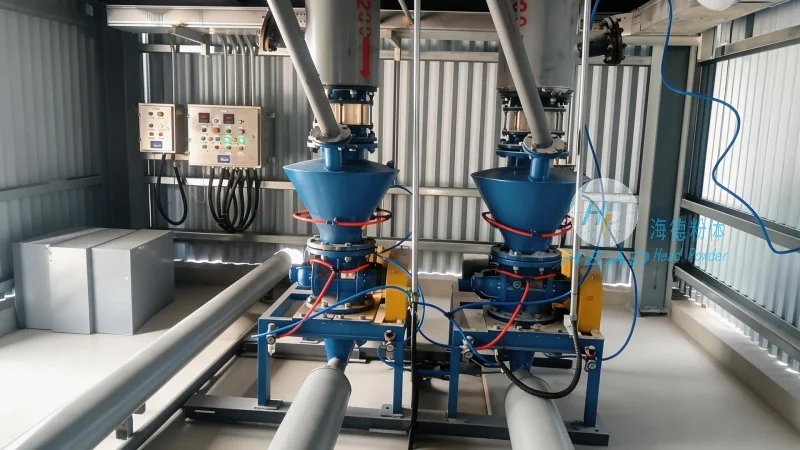
The nickel sulfate pneumatic conveying system consists of several key components, each playing a critical role in the overall operation. The main components include the hopper, which serves as the material storage and feeding unit; the feeder, responsible for controlling the flow rate of nickel sulfate into the pipeline; the conveying pipeline, which transports the material; the air compressor or blower, which generates the necessary air pressure; and the dust collector or filter, which removes any airborne particles and ensures compliance with environmental regulations.
Each component is carefully designed to withstand the corrosive nature of nickel sulfate. The hopper and feeder are typically made of stainless steel or other corrosion-resistant materials to prevent material degradation and equipment damage. The conveying pipeline is constructed from durable materials such as PVC or metal, with appropriate fittings and valves to control the flow and direction of the material and air. The air compressor is selected based on the required conveying capacity and distance, ensuring sufficient pressure to move the nickel sulfate efficiently.
Working Principle of the Pneumatic Conveying Process
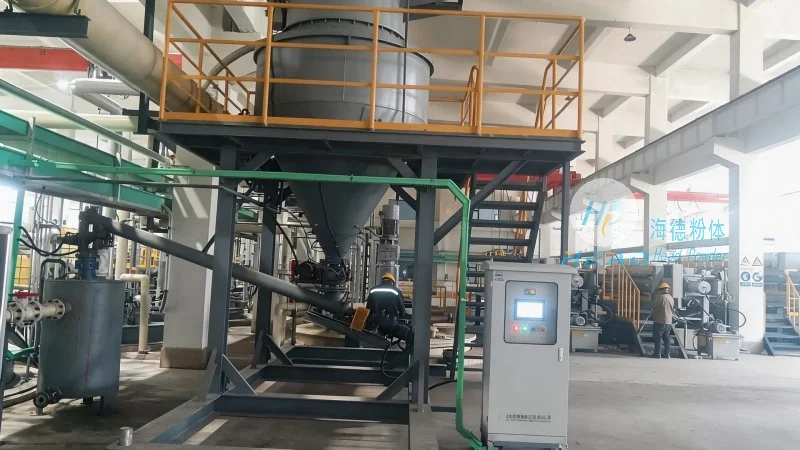
The operation of the nickel sulfate pneumatic conveying system follows a systematic process. First, the nickel sulfate is fed into the hopper from a storage silo or container. The feeder then regulates the flow of material into the conveying pipeline, ensuring a consistent feed rate. Simultaneously, the air compressor generates a flow of air that is introduced into the pipeline at a specific pressure. As the air flows through the pipeline, it entrains the nickel sulfate particles, creating a slurry-like mixture that is transported to the destination point.
At the receiving end, the material is separated from the air using a separator or cyclone. The separated nickel sulfate is collected in a receiving hopper or container, while the air is filtered and discharged through a dust collector. The system is equipped with sensors and control mechanisms to monitor the flow rate, pressure, and temperature, ensuring optimal performance and preventing any potential issues such as blockages or overloading.
Advantages and Applications
The nickel sulfate pneumatic conveying system offers numerous benefits for industrial applications. One of the primary advantages is its ability to handle large volumes of material with minimal labor requirements. The enclosed system also reduces the risk of dust exposure, improving workplace safety and compliance with occupational health regulations. Additionally, the system is highly flexible, allowing for easy integration with existing production lines and the ability to transport materials over long distances without the need for intermediate storage.
Common applications of the nickel sulfate pneumatic conveying system include the chemical industry, where nickel sulfate is used as a precursor in the production of nickel-based catalysts and batteries. It is also used in the mining and metallurgical sectors for the transport of nickel sulfate from processing plants to storage facilities or for further processing. The system's efficiency and reliability make it an ideal choice for industries requiring consistent and high-quality material transport.
Conclusion
In conclusion, the nickel sulfate pneumatic conveying system is a highly effective and reliable solution for the transport of nickel sulfate in industrial settings. With its robust structural design and efficient operational principles, the system ensures safe and high-capacity material handling. HeadPowder, with its expertise in engineering and manufacturing, provides customized solutions that meet the specific needs of clients, ensuring optimal performance and durability. The system's advantages, including reduced maintenance costs, improved safety, and flexibility, make it a preferred choice for industries requiring efficient material transport.




