The adipic acid pneumatic conveying line is a specialized system designed for the efficient and safe transportation of adipic acid, a key chemical intermediate widely used in the production of nylon and other polymers. Developed and manufactured by Shandong HeadPowder Engineering Co., Ltd., a leading provider of chemical processing equipment, the line is engineered to meet the stringent requirements of modern chemical processing facilities, offering high efficiency, low maintenance, and enhanced safety features. This system integrates advanced pneumatic conveying technology with robust engineering design to ensure reliable material handling in industrial settings, playing a critical role in optimizing production workflows and reducing operational costs.
Core Components and Structural Design
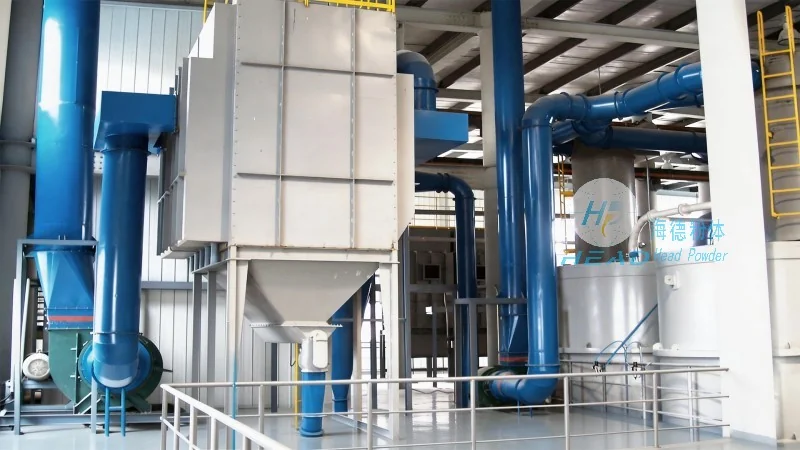
The adipic acid pneumatic conveying line comprises several critical components, each playing a vital role in the overall operation. The system typically includes a material hopper for initial storage, a rotary airlock valve to control the flow of adipic acid into the conveying line, and a series of pipeline sections equipped with appropriate fittings and valves. The pipeline is constructed from materials resistant to chemical corrosion, such as stainless steel or specialized alloys, to ensure durability and longevity under the harsh conditions of adipic acid handling. The system also incorporates a dust collection and filtration unit to maintain air quality and comply with environmental regulations. The structural design emphasizes modularity, allowing for easy installation, maintenance, and expansion as production needs evolve, making it adaptable to various industrial scales and configurations.
Principle of Operation
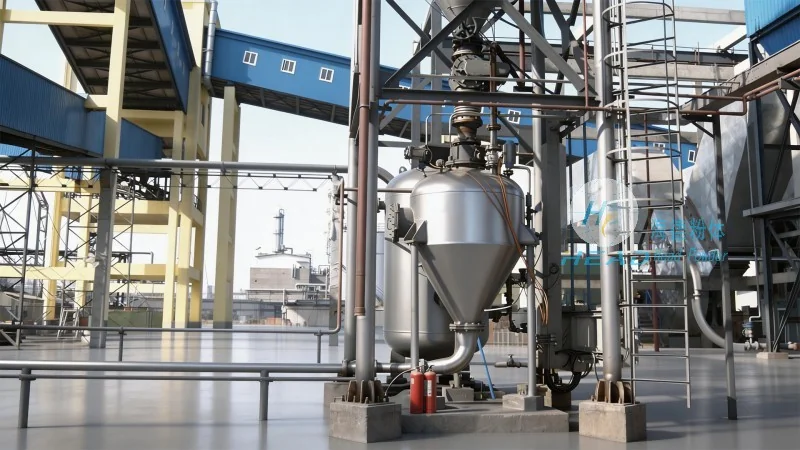
The pneumatic conveying process relies on the movement of compressed air to transport solid particles, in this case, adipic acid, through a pipeline. The system operates on the principle of creating a pressure differential between the material hopper and the discharge point. When the rotary airlock valve opens, adipic acid is drawn into the pipeline by the negative pressure created by the air flow. Compressed air is then introduced at strategic points along the pipeline to maintain the flow of material, preventing blockages and ensuring consistent delivery. The conveying velocity and pressure are carefully controlled to optimize the transport efficiency while minimizing energy consumption. The system also includes a pressure relief valve and a flow monitoring device to ensure safe and stable operation under varying load conditions, providing real-time feedback on performance and enabling prompt adjustments to maintain optimal functionality.
Advantages and Applications
Implementing an adipic acid pneumatic conveying line offers numerous advantages for industrial manufacturers. The primary benefit is the significant reduction in labor costs associated with manual handling of bulk chemicals, as the system automates the entire material transport process. The enclosed pipeline design minimizes material loss and contamination, ensuring product purity and reducing waste. Furthermore, the automated operation enhances process consistency and reduces the risk of human error, leading to improved product quality and yield. In terms of applications, this system is widely used in the chemical, pharmaceutical, and polymer industries, particularly in facilities that produce adipic acid for nylon synthesis. The line is adaptable to various production scales, from small-scale pilot plants to large-scale industrial operations, making it a versatile solution for diverse manufacturing needs. Its ability to handle high volumes of adipic acid efficiently makes it an essential component in modern chemical processing plants.
Installation and Maintenance Considerations
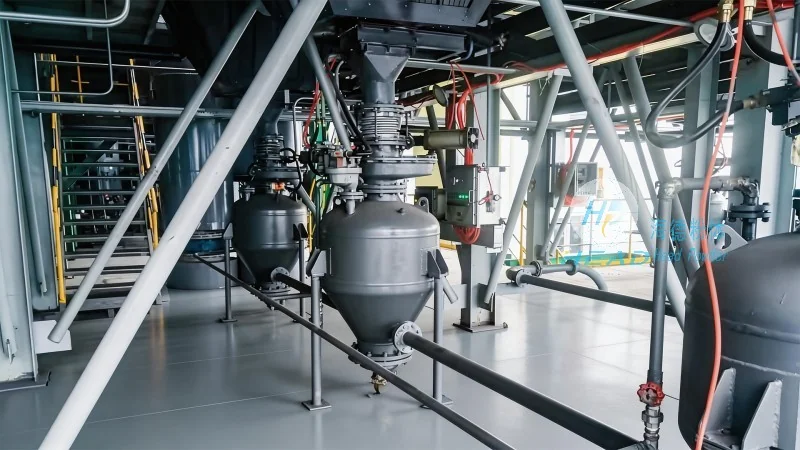
Proper installation and regular maintenance are crucial for the optimal performance and longevity of the adipic acid pneumatic conveying line. During installation, the system must be carefully aligned and secured to prevent vibrations and structural stress. All components, especially the pipeline and fittings, should be inspected for leaks and corrosion before operation to ensure airtight and reliable performance. Routine maintenance involves cleaning the pipeline and filter system to prevent clogging, checking the air compressor and pressure relief valve for proper functionality, and inspecting the rotary airlock valve for wear and tear. Regular performance monitoring, such as measuring conveying velocity and pressure, helps identify potential issues early and ensures the system operates within its designed parameters. By adhering to a comprehensive maintenance schedule, manufacturers can maximize the system's lifespan and minimize downtime, ultimately enhancing overall operational efficiency and reducing long-term costs. The expertise of Shandong HeadPowder Engineering Co., Ltd. in system design and installation further supports the successful implementation and maintenance of these conveying lines.




