HeadPowder, a leading provider in the field of material handling solutions, specializes in the design and implementation of efficient pneumatic conveying systems for limestone and other bulk materials. This article provides an overview of the limestone pneumatic conveying line, detailing its structural components and operational principles to help clients understand the technology's capabilities and benefits.
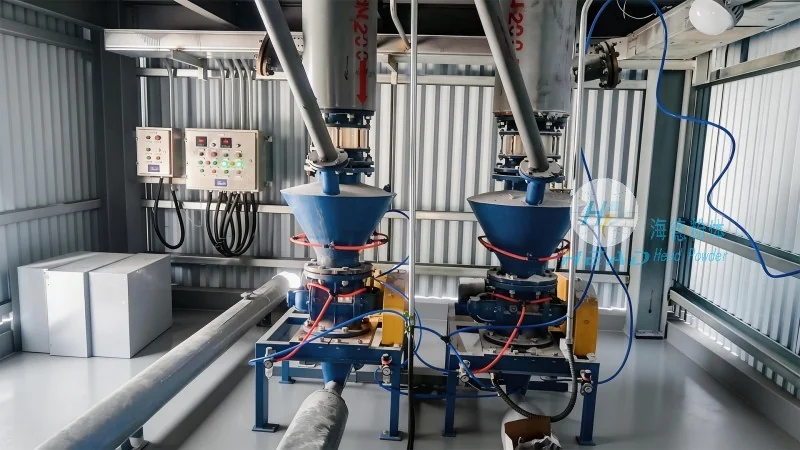
At the core of a limestone pneumatic conveying system is the ability to transport dry, free-flowing materials like limestone through a pipeline using air or other gas as the conveying medium. The system typically consists of several key components that work in tandem to ensure reliable and efficient material transfer. These components include the material feeding unit, the conveying pipeline, the air supply system, and the control and monitoring mechanisms.
The material feeding unit is responsible for introducing limestone into the system. This component may feature a hopper or a feeder that can handle bulk quantities of limestone and ensure a consistent flow into the pipeline. Proper feeding is crucial to prevent blockages and maintain the system's efficiency. The design of the feeding unit often incorporates features such as a level sensor or a flow control valve to regulate the amount of material entering the system.
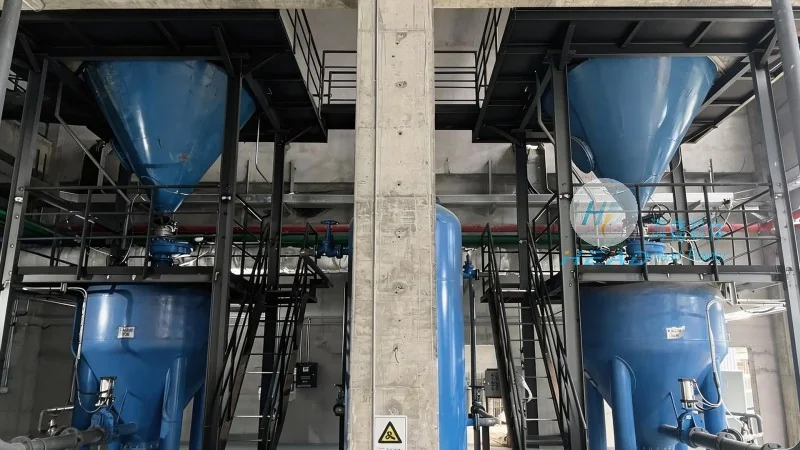
The conveying pipeline is the central part of the pneumatic conveying system, where the limestone is transported. The pipeline is usually made of materials like stainless steel or plastic, chosen for their durability and resistance to the abrasive nature of limestone. The pipeline may include bends, elbows, or expansion joints to accommodate changes in direction or elevation, ensuring that the material moves smoothly without excessive pressure loss or wear. The design of the pipeline is critical to minimize friction and maintain the air velocity necessary for effective conveying.
The air supply system provides the necessary pressure and volume of air to move the limestone through the pipeline. This system typically includes a blower or a fan that generates the required airflow. The air is often filtered to remove dust and debris, which can affect the performance of the system and the quality of the conveyed material. The air supply may also include a pressure regulator to maintain consistent pressure levels throughout the conveying process.
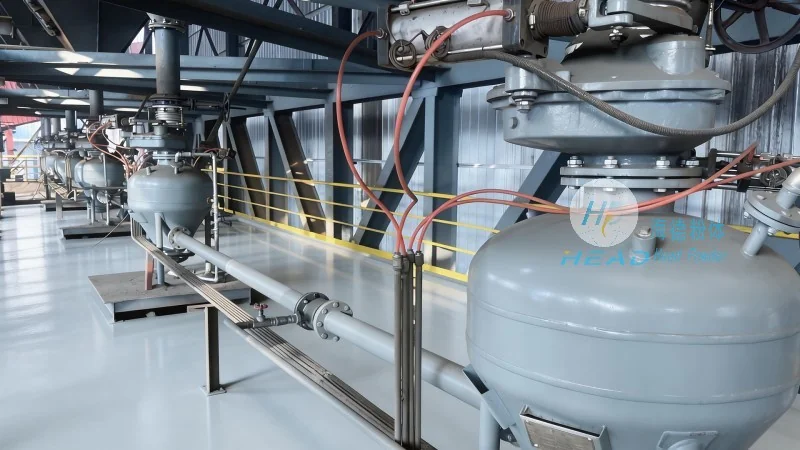
The control and monitoring mechanisms are essential for managing the operation of the pneumatic conveying system. These components may include sensors to monitor pressure, flow rate, and material level, as well as control valves and switches to adjust the system's operation in real-time. Advanced systems may also incorporate automation and data logging capabilities to optimize performance and detect potential issues before they become major problems.
One of the key advantages of limestone pneumatic conveying systems is their ability to transport materials over long distances without the need for intermediate storage or handling. This reduces the risk of material degradation and contamination, making it suitable for applications where product quality is paramount. Additionally, the system is relatively compact and can be installed in various locations, including industrial plants, mines, and processing facilities.
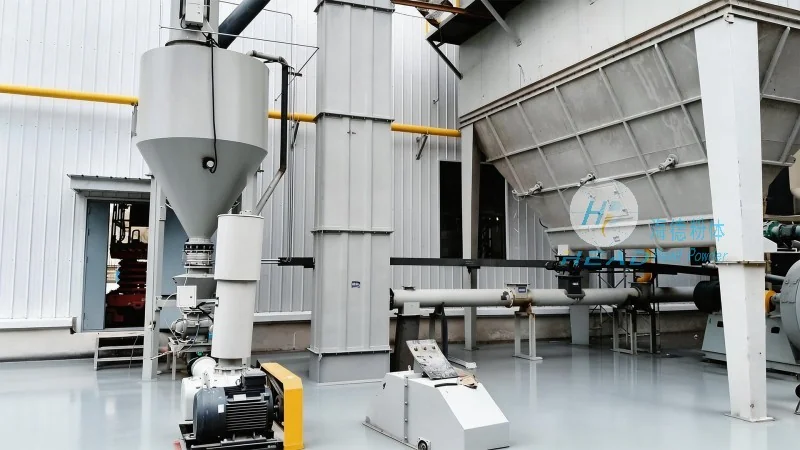
HeadPowder, with its expertise in engineering and manufacturing, offers customized limestone pneumatic conveying solutions tailored to the specific needs of clients. The company's team of experienced engineers works closely with clients to design systems that meet their operational requirements, including material flow rates, distance of transport, and environmental considerations. By leveraging advanced technology and quality materials, HeadPowder ensures that its pneumatic conveying systems are reliable, efficient, and cost-effective.
For industries dealing with limestone, the adoption of a pneumatic conveying system can significantly improve operational efficiency and reduce downtime. The technology's ability to handle bulk materials in a continuous manner, combined with its low maintenance requirements, makes it an attractive option for businesses looking to enhance their material handling capabilities. As a trusted partner in the industry, HeadPowder continues to provide innovative solutions that meet the evolving needs of its clients.




