Synthetic fiber pneumatic conveying systems represent a sophisticated solution for the efficient transport of bulk materials, particularly synthetic fibers, in industrial settings. These systems leverage the principles of pneumatic transport to move materials through a closed pipeline network using air or gas as the conveying medium. The technology is widely adopted across various industries due to its ability to handle delicate materials like synthetic fibers without causing damage, ensuring product integrity throughout the conveying process.
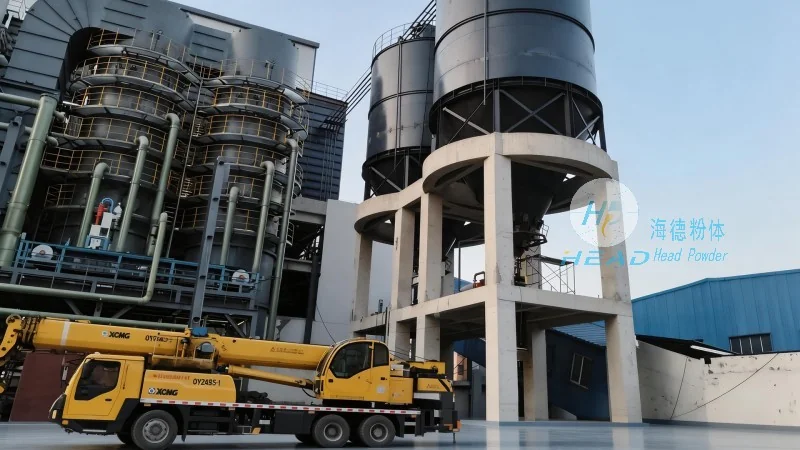
Key Structural Components of Synthetic Fiber Pneumatic Conveying Systems
The design of synthetic fiber pneumatic conveying systems involves several critical components that work in concert to achieve reliable material transport. At the core of the system is the conveying pipeline, typically constructed from materials such as stainless steel or specialized polymers to withstand the abrasive nature of synthetic fibers and the internal pressure of the conveying medium. The pipeline is equipped with inlet and outlet points, strategically positioned to facilitate the loading and unloading of materials. Additionally, the system incorporates airlocks and rotary valves at the material feed and discharge points, which regulate the flow of fibers and prevent backflow, ensuring smooth operation and maintaining material purity.
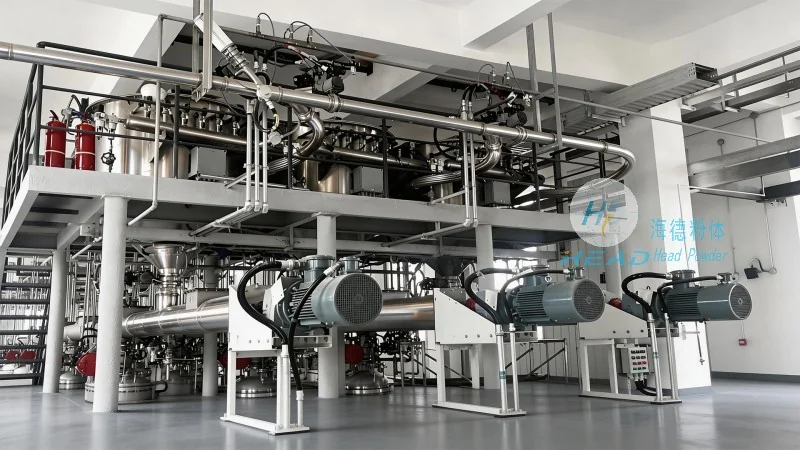
Working Principles of Synthetic Fiber Pneumatic Conveying Systems
The operation of synthetic fiber pneumatic conveying systems is based on the fundamental principle of fluidization and drag flow. In the loading phase, synthetic fibers are introduced into the pipeline at the inlet point, where they are mixed with the conveying air. The air, under pressure, creates a turbulent flow that lifts and transports the fibers through the pipeline. The velocity and pressure of the air are carefully controlled to ensure that the fibers are conveyed without excessive abrasion or degradation. At the discharge end, the air is separated from the fibers using a separator or cyclone, allowing the fibers to be collected in a designated container while the air is either recirculated or vented. This process minimizes material loss and maintains the quality of the synthetic fibers throughout the conveying operation.
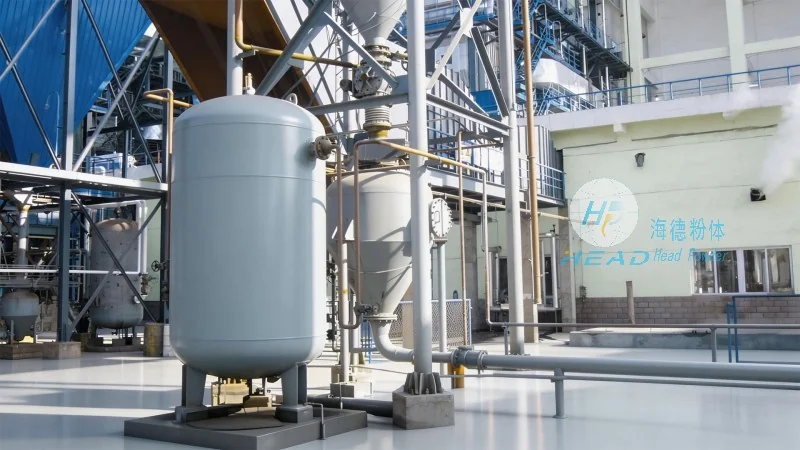
Advantages of Synthetic Fiber Pneumatic Conveying Systems
Synthetic fiber pneumatic conveying systems offer several advantages over traditional mechanical conveying methods. Firstly, they provide a non-contact transport solution, which is essential for delicate synthetic fibers that could be damaged by mechanical friction or impact. This ensures that the fibers retain their original properties, such as tensile strength and surface finish. Secondly, the systems are highly flexible and scalable, allowing for the integration of multiple conveying lines and the adaptation to varying production volumes. Thirdly, they offer energy efficiency benefits, as the use of compressed air can be optimized to minimize energy consumption while maintaining effective material transport. Finally, the systems are hygienic and clean, making them suitable for applications in the pharmaceutical and food industries where material purity is paramount.
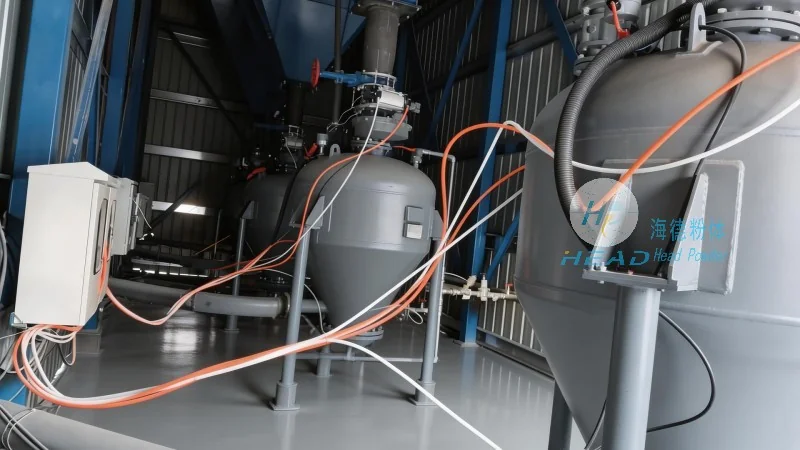
About Shandong HeadPowder Engineering Co., Ltd.
Shandong HeadPowder Engineering Co., Ltd., operating under the brand name headpowder, is a leading manufacturer and supplier of synthetic fiber pneumatic conveying systems. With a strong commitment to innovation and quality, the company specializes in designing and manufacturing customized solutions tailored to the specific needs of its clients. Headpowder's products are engineered to meet the highest industry standards, ensuring reliability, durability, and performance in demanding industrial environments. The company's headquarters is located in Shandong, China, where it leverages advanced manufacturing facilities and a team of experienced engineers to deliver cutting-edge solutions for material handling challenges.




