Carbon powder pneumatic conveying equipment is a specialized industrial device designed to transport carbon powder efficiently and safely. This equipment plays a crucial role in various industrial applications, particularly in the manufacturing and processing sectors where carbon powder is a key raw material. Understanding the structure and working principles of such equipment is essential for optimizing material handling processes and ensuring operational efficiency.
Company Overview
Headpowder, the manufacturer of this advanced equipment, is a leading company in the field of material handling solutions. Based in Shandong, China, Shandong HeadPowder Engineering Co., Ltd. specializes in the design, development, and production of high-quality pneumatic conveying systems tailored to meet the specific needs of different industries. The company's commitment to innovation and quality has established it as a trusted partner for businesses seeking reliable and efficient carbon powder handling solutions.
Structural Components of Carbon Powder Pneumatic Conveying Equipment
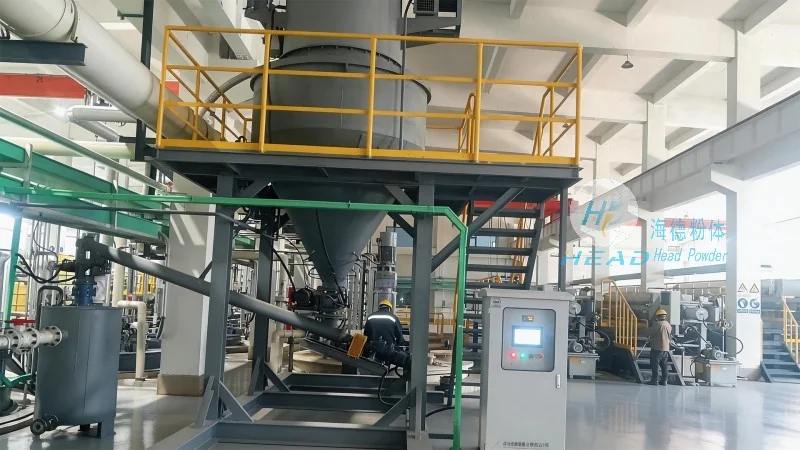
The carbon powder pneumatic conveying machine typically consists of several key components that work in tandem to achieve effective material transport. The main structural elements include the hopper, which serves as the storage and feeding unit for the carbon powder. The hopper is equipped with a feeding valve or a rotary valve to control the flow of powder into the conveying line. This component ensures a consistent and controlled supply of material, preventing blockages and maintaining the integrity of the powder.
Next, the conveying line is a crucial part of the system. It is usually made of stainless steel or other corrosion-resistant materials to handle the abrasive nature of carbon powder. The line is connected to a blower or a vacuum pump that generates the necessary air pressure or suction to move the powder particles through the system. The design of the conveying line, including the diameter and length, is optimized to minimize pressure drop and ensure smooth flow of the powder.
A key component is the separation or collection system, which is often integrated into the equipment. This system helps to separate the carbon powder from the air stream, allowing for the collection of the powder in a designated container or processing unit. The separation process may involve cyclones, filters, or other devices that effectively separate the solid particles from the gas, ensuring that the powder is recovered efficiently and without loss.
Working Principle of Carbon Powder Pneumatic Conveying
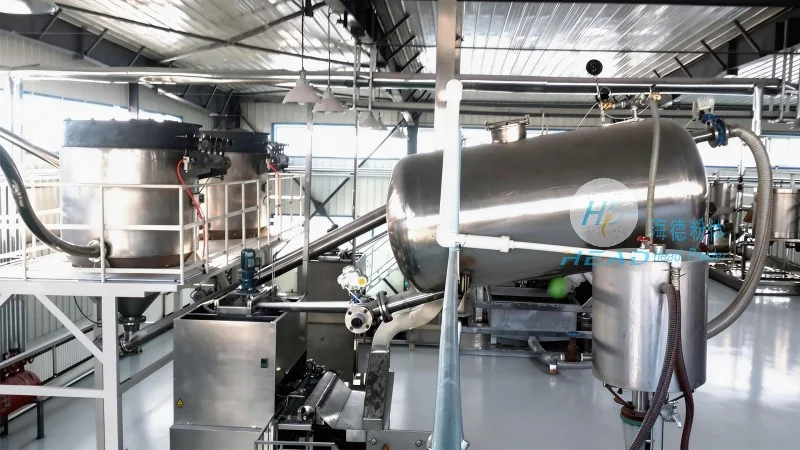
The operation of the carbon powder pneumatic conveying equipment is based on the principles of fluidization and air movement. When the blower or vacuum pump is activated, it creates a pressure difference within the conveying line. This pressure difference causes the air to flow through the system, carrying the carbon powder particles along with it. The powder is suspended in the air stream, forming a dense phase or dilute phase flow, depending on the operating conditions and the characteristics of the powder.
In the dense phase conveying mode, the powder is transported in a relatively high concentration, which is suitable for short distances and high-volume transport. The air velocity is sufficient to keep the particles suspended but not so high as to cause excessive wear on the equipment. This mode is particularly effective for handling abrasive carbon powders, as it reduces the impact on the system components.
In the dilute phase conveying mode, the powder is transported in a lower concentration, often used for longer distances or when the powder is less abrasive. The air velocity is higher in this mode, which helps to maintain the flow of the powder and prevent clogging. The choice between dense phase and dilute phase depends on the specific requirements of the application, including the distance to be covered, the volume of material to be transported, and the characteristics of the carbon powder.
Advantages of Carbon Powder Pneumatic Conveying Equipment
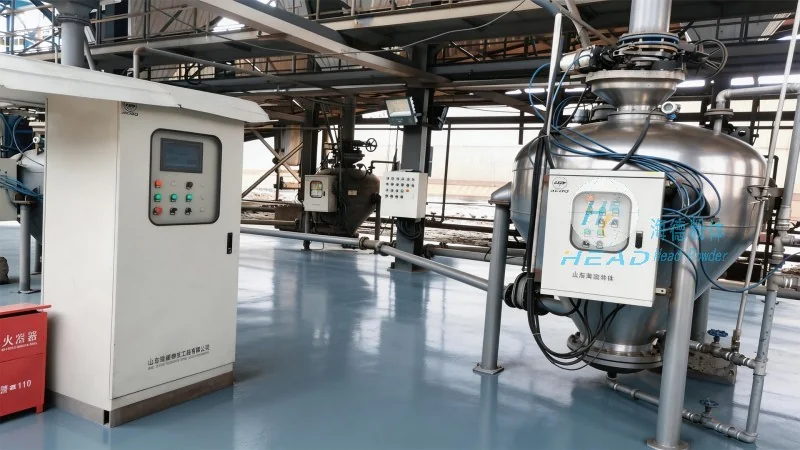
Using carbon powder pneumatic conveying equipment offers several advantages over traditional methods of material handling. One of the primary benefits is the ability to transport the powder in a closed system, which helps to prevent dust contamination and improve safety in the workplace. This is particularly important for carbon powders, which can be hazardous if inhaled or if they come into contact with skin.
Another advantage is the high efficiency and speed of material transport. The equipment can handle large volumes of carbon powder in a short period, reducing the time and labor required for material handling. This leads to increased productivity and reduced operational costs for the end-user.
The equipment also offers flexibility in terms of the distance and layout of the conveying system. It can be designed to accommodate various distances, from short lines within a facility to long-distance transport between different locations. The modular design of the system allows for easy expansion or modification as the needs of the business change.
Application Areas of Carbon Powder Pneumatic Conveying
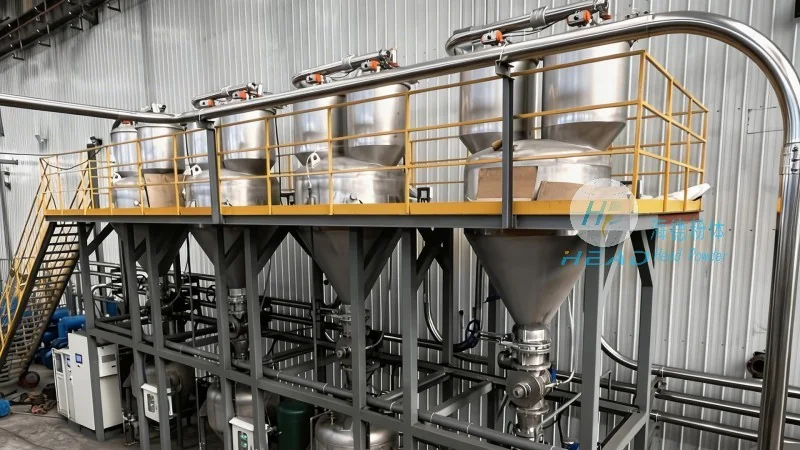
Carbon powder pneumatic conveying equipment is widely used in various industries that rely on carbon powder as a raw material. Some of the key application areas include the production of carbon-based products, such as carbon black, activated carbon, and other carbon compounds. These industries require efficient and reliable transport of carbon powder to ensure consistent quality and production rates.
Additionally, the equipment is used in the manufacturing of batteries, where carbon powder is a critical component in the production of electrodes. The ability to handle fine carbon powders with precision and minimal loss is essential for maintaining the performance and lifespan of the batteries.
In the pharmaceutical and food industries, carbon powder is used as an additive or filler. The closed system of the pneumatic conveying equipment helps to maintain the purity and quality of the powder, ensuring that it meets the stringent standards required for these industries.
Conclusion
Carbon powder pneumatic conveying equipment is a vital component in modern industrial operations, providing efficient, safe, and reliable transport of carbon powder. The structural design and working principles of this equipment are optimized to handle the unique characteristics of carbon powder, ensuring minimal loss and maximum efficiency. With the expertise of manufacturers like Shandong HeadPowder Engineering Co., Ltd., businesses can benefit from advanced material handling solutions that enhance productivity and reduce operational costs.




