Wool pneumatic conveying equipment is a specialized system designed for the efficient handling and transportation of wool fibers and related materials. This equipment plays a crucial role in the textile industry, particularly in the processing of raw wool. The design and operation of such systems are centered around the principles of pneumatic conveying, which utilize air flow to move materials through a pipeline network. Understanding the structural components and operational mechanisms of wool pneumatic conveyors is essential for optimizing performance and ensuring reliable material transport in wool processing facilities.
Structural Components of Wool Pneumatic Conveying Systems
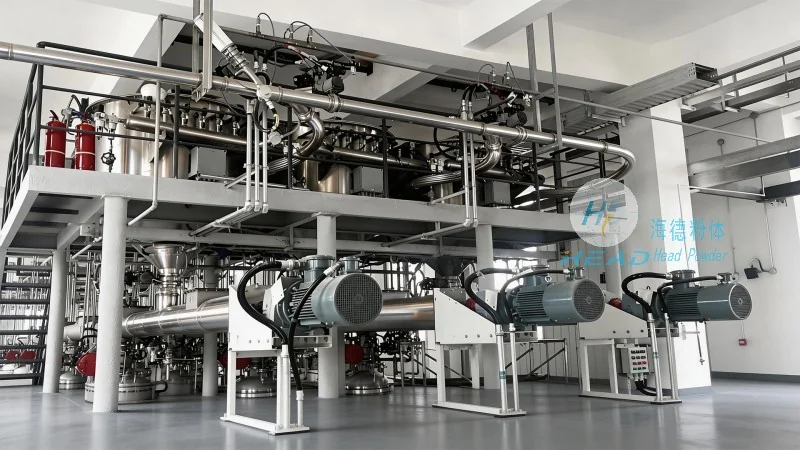
The wool pneumatic conveying system typically consists of several key components that work in tandem to achieve effective material transport. These components include the material feed hopper, which is responsible for storing and feeding the wool into the system. The hopper is equipped with a feeder mechanism, such as a rotary valve or a screw feeder, that controls the flow rate of the wool into the conveying line. This ensures a consistent and controlled input of material, preventing overloading or underloading of the system.
Next, the conveying line itself is a critical component. It is usually made of stainless steel or other corrosion-resistant materials to withstand the abrasive nature of wool fibers and prevent contamination. The line is designed with bends and elbows that are strategically placed to guide the material along the desired path. These bends are often equipped with air diffusers or vortex generators to maintain the air flow and prevent material settling or blockages. The conveying line may also include expansion joints or flexible connectors to accommodate thermal expansion and reduce stress on the system.
At the receiving end of the system, a material separator or cyclone is commonly used to separate the wool from the air stream. This component utilizes centrifugal force to separate the heavier wool particles from the lighter air, allowing the wool to be collected in a designated container. The separated air is then either filtered or recirculated back into the system to improve energy efficiency. The separator is typically equipped with a filter bag or a cartridge filter to capture any fine wool particles that may escape, ensuring clean air discharge.
Additionally, the system includes a blower or a positive displacement pump that generates the necessary air pressure and flow rate. The blower is usually a centrifugal or rotary lobe type, designed to handle the specific air volume and pressure requirements of wool conveying. It is connected to the conveying line via a duct or a flexible hose, and its performance directly impacts the system's conveying capacity and efficiency. The blower is often equipped with a motor that provides the required power, and it may include a variable speed drive to adjust the air flow as needed.
Working Principle of Wool Pneumatic Conveying Equipment
The operation of wool pneumatic conveying equipment is based on the principle of air suspension, where the wool fibers are suspended in a stream of air and transported through the pipeline. The process begins with the material being fed from the hopper into the conveying line. As the air is introduced into the line, it creates a low-pressure zone that draws the wool particles into the air stream. The air flow then carries the wool along the pipeline, maintaining the material in a suspended state.
The velocity of the air is a critical factor in the conveying process. It must be sufficient to keep the wool particles suspended and prevent them from settling or clogging the line. The air velocity is typically maintained at a level that is higher than the terminal velocity of the wool fibers, ensuring that they remain in the air stream throughout the conveying process. This velocity is determined by the size, density, and shape of the wool particles, as well as the design of the conveying line and the blower's output.
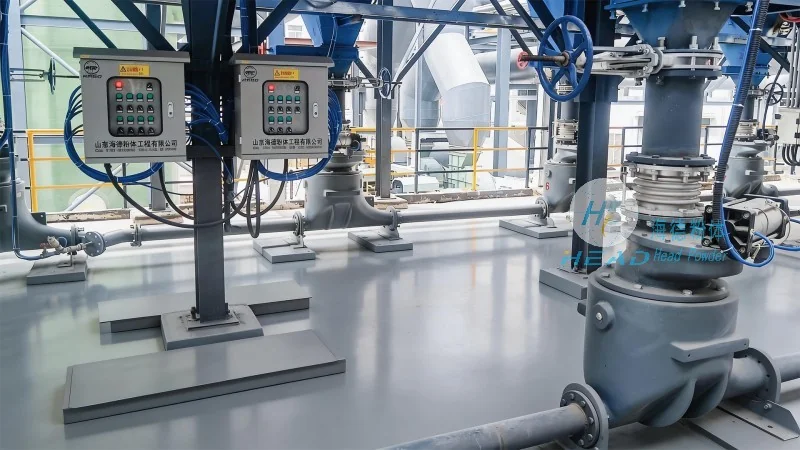
During the conveying process, the wool may experience some turbulence and mixing due to the air flow. This helps to prevent the formation of clumps or agglomerates, which could lead to blockages or reduced conveying efficiency. The system is designed to minimize these issues by using appropriate air flow patterns and component designs. For example, the use of vortex generators or air diffusers can help to create a more uniform air flow, reducing the likelihood of material accumulation.
The receiving end of the system involves the separation of the wool from the air stream. The cyclone or separator uses centrifugal force to separate the heavier wool particles from the lighter air. As the air and wool mixture enters the separator, it is forced to move in a circular path, causing the wool to be thrown against the inner walls of the separator and collected at the bottom. The air, now free of wool particles, is then discharged from the top of the separator and either filtered or recirculated back into the system.
The efficiency of the wool pneumatic conveying system is influenced by several factors, including the air flow rate, the material feed rate, and the design of the components. Proper maintenance and operation of the system are essential to ensure optimal performance. Regular cleaning of the separator and filter, checking the blower's performance, and monitoring the material feed rate are important steps in maintaining the system's efficiency and preventing downtime.
Applications and Benefits of Wool Pneumatic Conveying Equipment
Wool pneumatic conveying equipment is widely used in various applications within the textile industry. It is commonly employed in wool processing plants for the transportation of raw wool from storage bins to processing machines, such as carding or spinning equipment. The system can also be used to transport processed wool products, such as yarn or fabric, from one production stage to another. In addition, it may be used in the handling of wool waste or byproducts, ensuring that these materials are efficiently collected and disposed of or recycled.
One of the primary benefits of using wool pneumatic conveying equipment is its ability to handle abrasive materials without causing significant wear and tear on the system components. Wool fibers are known to be abrasive, and traditional mechanical conveyors may experience rapid wear and require frequent maintenance. The pneumatic system, with its smooth, corrosion-resistant materials and minimal contact points, offers a more durable and long-lasting solution.
Another advantage is the system's ability to handle materials in a dust-free environment. Wool processing often generates fine dust, which can be a health hazard and cause equipment damage. The pneumatic conveying system, by using enclosed pipelines and proper filtration, helps to contain the dust and prevent it from escaping into the workplace. This not only improves safety but also reduces the risk of equipment contamination and downtime due to dust accumulation.
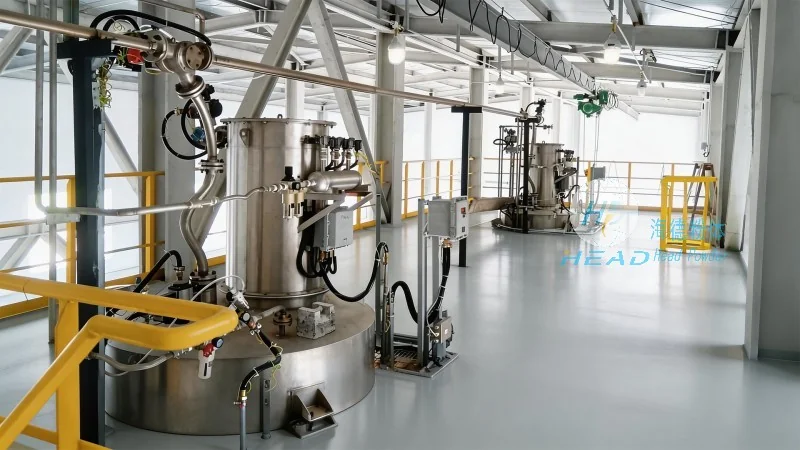
The system also offers flexibility in terms of layout and installation. Since the conveying line is a flexible pipeline, it can be easily routed around obstacles and adapted to different facility layouts. This allows for more efficient use of space and easier integration with existing processing equipment. The modular design of the system also makes it easier to expand or modify as production needs change.
Furthermore, the wool pneumatic conveying system can improve the overall efficiency of the wool processing operation. By reducing material handling time and minimizing downtime due to blockages or maintenance, the system helps to increase production throughput. The consistent and controlled flow of material also ensures that processing machines receive a steady supply of raw material, preventing bottlenecks and improving the quality of the final product.
Company Overview: Shandong HeadPowder Engineering Co., Ltd.
Shandong HeadPowder Engineering Co., Ltd., commonly known as HeadPowder, is a leading manufacturer and supplier of pneumatic conveying equipment, including specialized systems for wool processing. The company is based in Shandong, China, and has established itself as a trusted partner in the textile industry, providing high-quality, reliable equipment that meets the specific needs of its clients.
HeadPowder specializes in the design, manufacturing, and installation of custom pneumatic conveying systems tailored to the requirements of wool processing facilities. The company's team of engineers and technicians has extensive experience in the field, ensuring that each system is designed to optimize performance, efficiency, and durability. The company uses advanced technology and high-quality materials in its manufacturing processes, ensuring that its products meet or exceed industry standards and customer expectations.
The company's commitment to quality and customer satisfaction is reflected in its comprehensive after-sales service. HeadPowder provides technical support, maintenance services, and spare parts supply to ensure that its clients' equipment operates at peak performance. The company also offers training programs to help clients' staff understand and operate the equipment effectively, reducing the risk of operational issues and maximizing the return on investment.
With a strong focus on innovation and customer needs, HeadPowder continues to develop and improve its pneumatic conveying systems, staying at the forefront of the industry. The company's products are widely recognized for their reliability, efficiency, and durability, making them a preferred choice for wool processing facilities around the world.




