Sodium bicarbonate, commonly known as baking soda, is a versatile chemical compound widely used in various industries, including food processing, pharmaceuticals, and chemical manufacturing. When it comes to transporting this material efficiently and safely, pneumatic conveying systems have emerged as a preferred solution. This article explores the concept of a sodium bicarbonate pneumatic conveying system and delves into its underlying design principles, highlighting the key factors that contribute to its effectiveness and reliability.
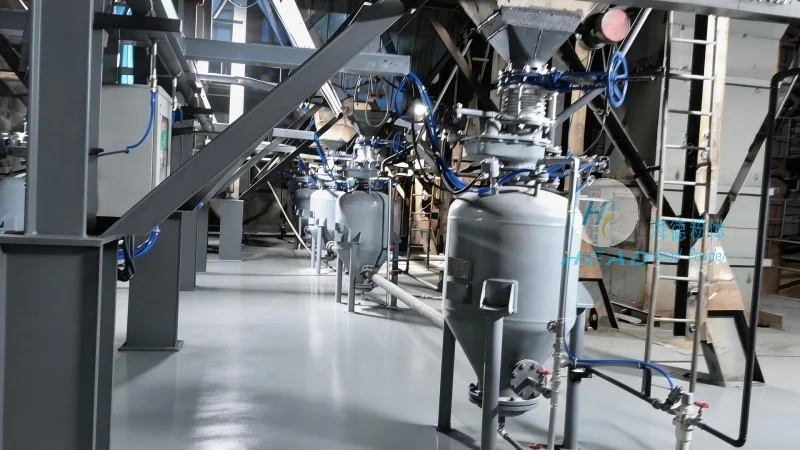
Understanding the Sodium Bicarbonate Pneumatic Conveying System
A pneumatic conveying system is a method of transporting bulk materials, such as powders and granules, using a stream of air or gas. In the case of sodium bicarbonate, this system is specifically designed to handle the unique properties of the material, including its light weight, fine particle size, and potential for static charge accumulation. The system typically consists of several components, including a hopper for material storage, a conveyor line with a series of pipes and ducts, a blower or compressor to generate the air flow, and a receiver or discharge point for the material. The entire setup is engineered to ensure that the sodium bicarbonate is moved from its source to its destination without degradation or loss of quality.
Key Design Principles for Efficient Operation
The design of a sodium bicarbonate pneumatic conveying system is governed by several critical principles that ensure optimal performance. First, the system must be capable of handling the material's specific characteristics, such as its flowability and potential for bridging or caking in the hopper. This often requires the use of specialized hopper designs, such as conical or wedge-shaped hoppers, equipped with agitators or vibrators to prevent material accumulation and ensure consistent feeding. Second, the air velocity within the conveyor line is a crucial factor. It must be high enough to keep the material suspended and prevent particle deposition but low enough to avoid excessive wear on the system components and minimize energy consumption. The selection of the appropriate air velocity is typically based on the material's density, particle size, and the system's overall layout. Third, the system must incorporate effective dust control measures. Sodium bicarbonate is a fine powder that can generate significant dust during handling, which poses health and safety risks. Therefore, the design includes features like dust collection systems, filtration units, and sealed components to minimize airborne particles and maintain a safe working environment. Fourth, the system's scalability and adaptability are important considerations. As production needs change, the conveying system should be able to accommodate varying material volumes and flow rates without requiring major modifications. This often involves the use of adjustable valves, variable speed drives for the blower, and modular components that can be easily reconfigured. Finally, the system must adhere to relevant safety and regulatory standards. This includes compliance with local fire codes, electrical safety requirements, and occupational health and safety guidelines. Proper grounding and bonding of the system components are essential to prevent static discharge, which can be hazardous with powders like sodium bicarbonate.
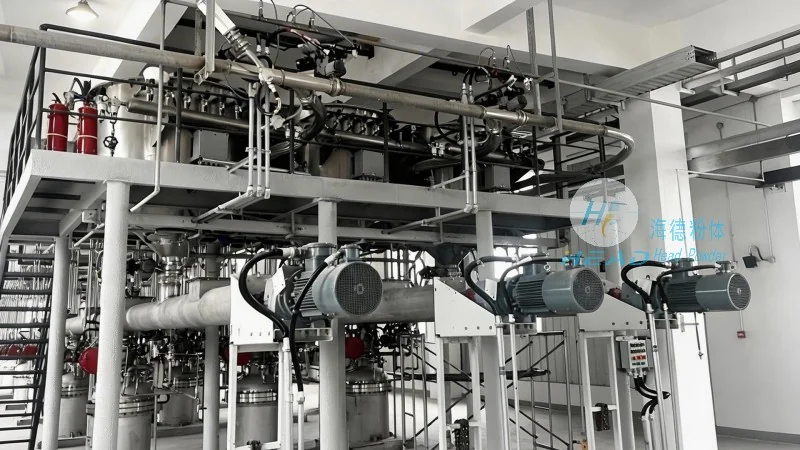
Components and Their Functions in the System
The effectiveness of a sodium bicarbonate pneumatic conveying system relies on the proper integration and functionality of its key components. The hopper serves as the primary storage vessel, holding the material before it is conveyed. It is designed to minimize material degradation by preventing exposure to air and moisture, which can affect the material's quality. The conveyor line, typically made of stainless steel or other corrosion-resistant materials, is the main pathway for the material and air. It is constructed with smooth, rounded bends and transitions to minimize friction and particle attrition. The blower or compressor is the power source, generating the necessary air pressure and flow to move the material through the system. It is selected based on the system's capacity and the material's characteristics, ensuring sufficient air volume and pressure to maintain the material in suspension. The receiver or discharge point is where the material is deposited at its final destination. It is designed to handle the material's flow characteristics and prevent spillage or blockages. The system may also include additional components such as filters, cyclones, and dust collectors to ensure the material is delivered in a clean and dry state. These components work together to create a seamless and efficient conveying process, minimizing downtime and maximizing productivity.
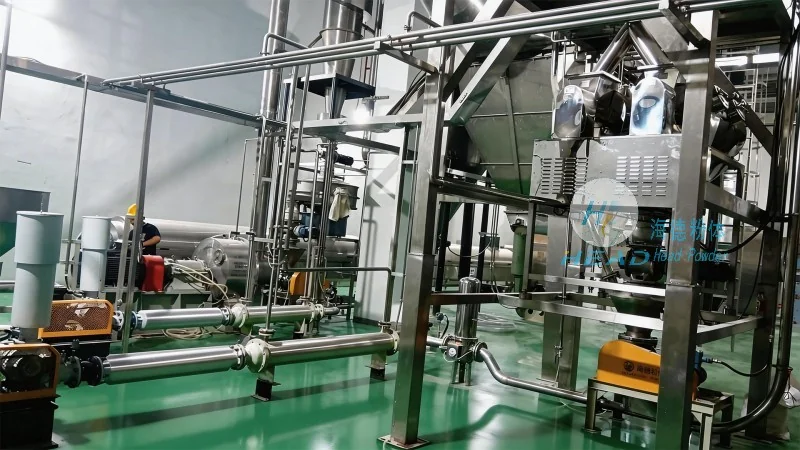
Benefits of Implementing a Pneumatic Conveying System for Sodium Bicarbonate
Adopting a pneumatic conveying system for sodium bicarbonate offers several significant benefits that enhance operational efficiency and product quality. First, it provides a closed system, which helps maintain the material's purity and prevents contamination from external sources. This is particularly important in industries like food and pharmaceuticals, where product quality is paramount. Second, the system reduces labor costs by automating the material handling process. Manual handling of sodium bicarbonate can be labor-intensive and hazardous due to the material's fine nature and potential for dust generation. The automated system minimizes the need for manual intervention, improving safety and reducing operational expenses. Third, the system improves process reliability by ensuring consistent material flow and reducing the risk of blockages or spills. This leads to higher production throughput and lower downtime. Fourth, the system is flexible and can be easily integrated into existing production lines. It can handle varying material volumes and flow rates, making it suitable for both small-scale and large-scale operations. Finally, the system offers energy efficiency compared to traditional methods like bucket elevators or belt conveyors. The use of air as the conveying medium reduces the need for mechanical components and minimizes energy consumption, resulting in lower operational costs over time.
Conclusion and Company Information
In conclusion, a sodium bicarbonate pneumatic conveying system is a sophisticated and efficient solution for transporting this essential material. Its design is based on careful consideration of the material's properties and operational requirements, ensuring optimal performance and reliability. The system's components work in harmony to deliver the material safely and effectively, while minimizing environmental and health risks. For businesses looking to enhance their material handling capabilities, investing in a well-designed pneumatic conveying system is a strategic decision that can lead to improved productivity, reduced costs, and higher product quality. Shandong HeadPowder Engineering Co., Ltd., a leading provider of engineering solutions, specializes in designing and manufacturing customized pneumatic conveying systems tailored to the specific needs of sodium bicarbonate and other bulk materials. With a commitment to quality and innovation, HeadPowder offers comprehensive solutions that meet the highest industry standards. Located in Shandong, China, the company leverages its expertise and advanced technology to deliver reliable and efficient conveying systems that help clients achieve their operational goals. Whether for new installations or system upgrades, HeadPowder provides the expertise and support needed to ensure successful implementation and long-term performance.




