Calcium oxide, commonly known as quicklime, is a critical raw material in various industrial sectors due to its chemical reactivity and versatility. The efficient transportation of calcium oxide is essential for maintaining production efficiency and ensuring workplace safety. Pneumatic conveying systems have become a preferred method for handling bulk calcium oxide, offering advantages such as dust control, low maintenance, and the ability to transport materials over extended distances without mechanical components.
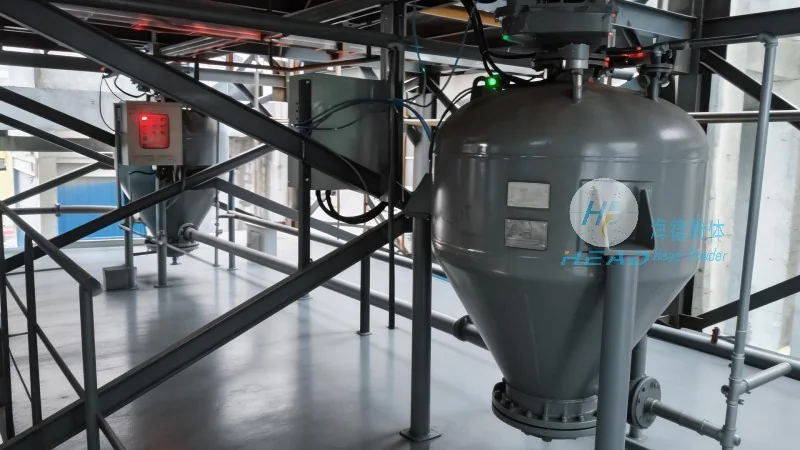
Overview of the Pneumatic Conveying System for Calcium Oxide
The pneumatic conveying equipment designed for calcium oxide transport is engineered to accommodate the material's physical properties, including its density, flowability, and potential reactivity. This system is integral to industrial facilities that process or utilize calcium oxide, ensuring seamless movement from storage to processing units or other operational areas. The design of the system prioritizes material compatibility, pressure requirements, and environmental safety, making it suitable for applications in the chemical, mining, and construction industries.
Structural Components and Working Principle
The pneumatic conveying equipment for calcium oxide typically comprises several key components: a hopper for material storage, a rotary valve for controlled feed, a pipeline system for transport, a blower or air compressor for air generation, and a receiver for material deposition. The hopper provides a controlled feed of calcium oxide into the system, while the rotary valve regulates material flow into the pipeline, preventing backflow and ensuring consistent feed rates. The pipeline system transports the material using compressed air, which is generated by the blower or air compressor. The air and material mixture travels through the pipeline to the receiver, where the material is deposited. The working principle involves creating a pressure differential between the hopper and the receiver, utilizing compressed air to move the material along the pipeline. This process enables efficient and safe transport of calcium oxide without manual handling or mechanical conveyors.
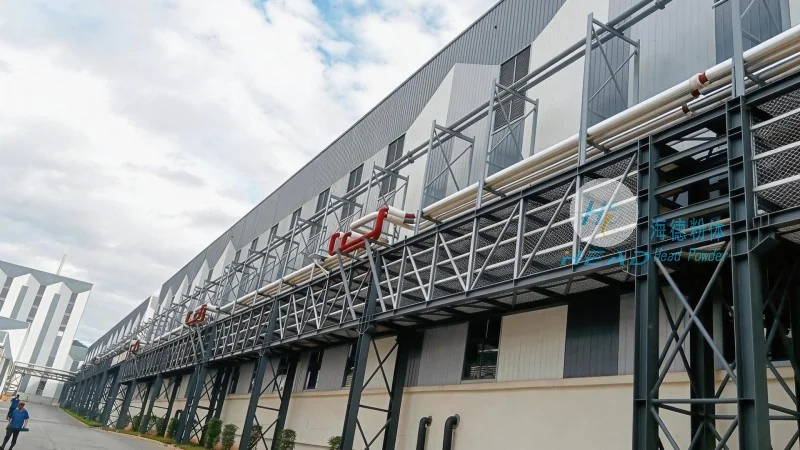
Key Features and Benefits
A primary advantage of the pneumatic conveying system for calcium oxide is its ability to minimize dust emissions. By enclosing the material in a sealed system, the equipment reduces fine particle release, enhancing workplace safety and compliance with environmental regulations. Additionally, the system offers low maintenance compared to traditional mechanical conveyors, with fewer moving parts and reduced wear. The flexibility of the system allows easy integration into existing production lines, enabling transport over long distances and through complex layouts. The system also ensures consistent material flow rates, mitigating risks of buildup or blockages in the pipeline.
Application Scenarios
The pneumatic conveying equipment for calcium oxide is widely used across multiple industrial applications. In cement manufacturing, calcium oxide is a raw material for clinker production, and the system ensures efficient delivery to kilns. In the steel industry, it serves as a flux in smelting processes, with the system transporting it to furnaces. In chemical manufacturing, calcium oxide is used in producing calcium carbide and other compounds, facilitating material movement through production lines. The equipment is also utilized in mining operations for ore processing and in construction for building materials.
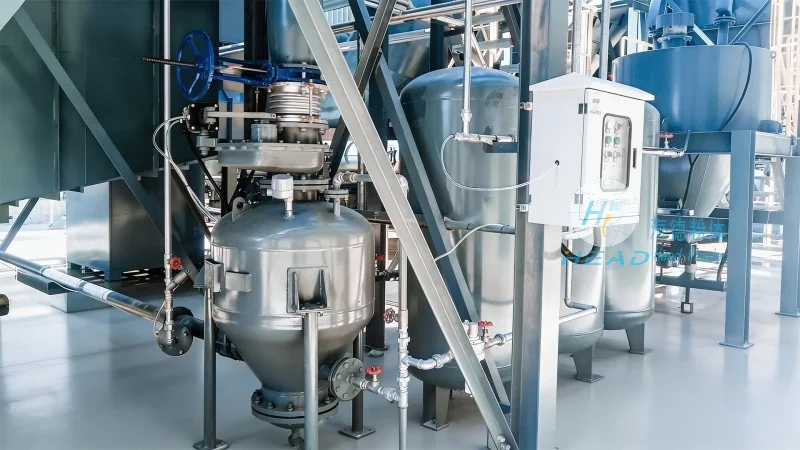
Technical Specifications and Performance
The performance of the pneumatic conveying system for calcium oxide is defined by technical specifications such as capacity, air pressure and flow rate, and component materials. The system's capacity is determined by hopper size and material flow rate, typically ranging from a few tons per hour to several hundred tons per hour. The required pressure depends on pipeline distance and layout, with higher pressures needed for longer distances. The blower or air compressor must generate sufficient air volume and pressure to move material through the pipeline. Components like the hopper and rotary valve are made of corrosion-resistant materials like stainless steel or specialized alloys to withstand calcium oxide's chemical properties and ensure long-term durability.
Company Information and Contact
Shandong HeadPowder Engineering Co., Ltd., a leading manufacturer of pneumatic conveying equipment, specializes in customized bulk material handling solutions. With extensive industry experience, the company has developed advanced technologies and designs to meet client-specific needs. Its facilities are located in Shandong, China, and it serves global customers with high-quality products and reliable service. For inquiries about the pneumatic conveying equipment for calcium oxide, please contact Shandong HeadPowder Engineering Co., Ltd. at its address in Shandong, China.




