Compound fertilizer pneumatic conveying equipment plays a crucial role in the efficient and safe transportation of granular fertilizers in agricultural and industrial applications. This equipment is designed to handle the unique characteristics of compound fertilizers, such as their particle size, moisture content, and bulk density, ensuring reliable material transfer from storage silos to processing or packaging units. The technology behind these systems combines pneumatic principles with robust mechanical components to achieve seamless, dust-free, and energy-efficient operation.
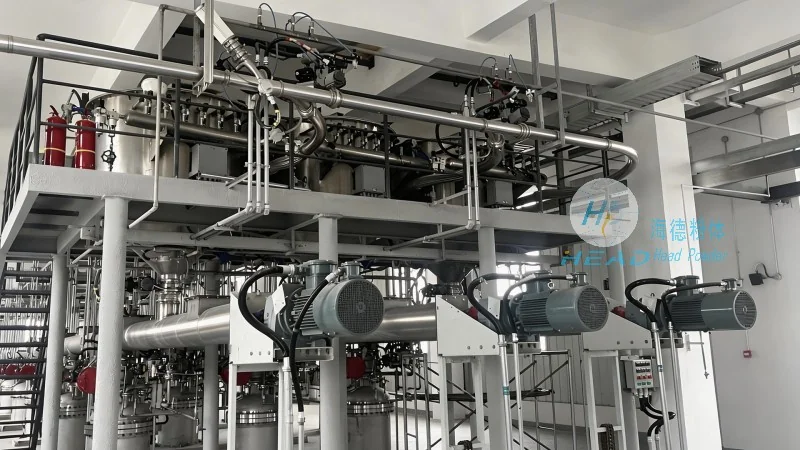
Key Structural Components of Pneumatic Conveying Systems for Compound Fertilizers
The core structure of a compound fertilizer pneumatic conveying system typically includes several essential components that work in tandem to facilitate material movement. The system generally comprises a feeding hopper, a conveying line (either positive or negative pressure), a receiver or discharge hopper, and a dust collection system. The feeding hopper is responsible for storing and metering the fertilizer, ensuring a consistent flow into the conveying line. The conveying line, which can be either a positive pressure system (where air is blown through the line to push the material) or a negative pressure system (where air is drawn through the line to pull the material), is the primary pathway for transporting the fertilizer. The receiver or discharge hopper collects the material at the destination, while the dust collection system ensures compliance with environmental regulations by capturing and filtering any airborne particles.
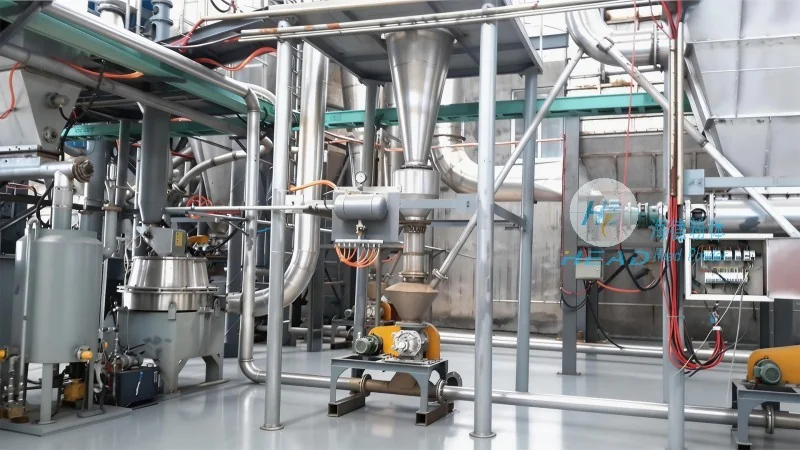
Working Principle of Compound Fertilizer Pneumatic Conveying Equipment
The operation of compound fertilizer pneumatic conveying equipment is based on the principles of fluid dynamics and particle transport. In a positive pressure system, a blower or compressor generates high-pressure air that is introduced into the conveying line. The air flows through the line, carrying the fertilizer particles along with it. The velocity of the air is carefully controlled to ensure that the particles remain suspended and do not settle or cause blockages. The conveying line is often equipped with bends, valves, and other fittings that allow for changes in direction and flow control. In a negative pressure system, a vacuum pump creates a low-pressure environment at the receiver end, drawing the air and fertilizer particles from the source. The air and material are then drawn through the conveying line and into the receiver. The system is designed to maintain a consistent flow rate and pressure, which is critical for preventing material degradation and ensuring efficient operation.
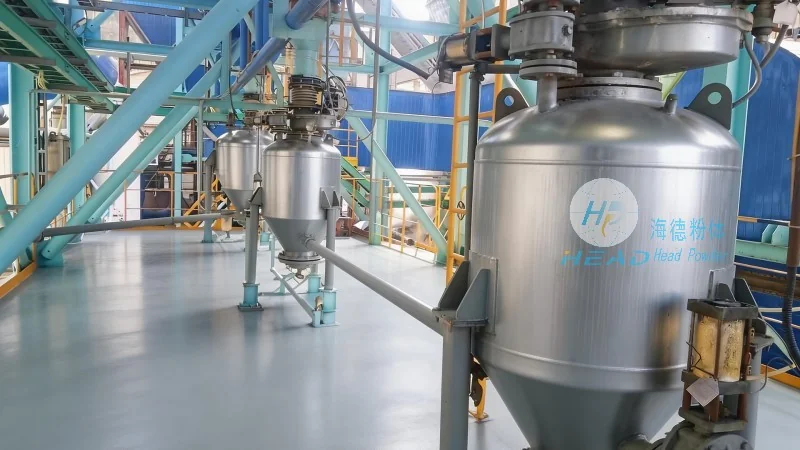
Advantages of Using Pneumatic Conveying for Compound Fertilizers
Compared to traditional mechanical conveying methods, such as screw conveyors or belt conveyors, pneumatic conveying offers several advantages for handling compound fertilizers. One of the primary benefits is the ability to transport materials over long distances without the need for multiple transfer points or intermediate storage. This reduces the risk of material degradation due to exposure to air or moisture. Additionally, pneumatic systems are highly flexible, allowing for changes in the conveying route or capacity without major modifications to the equipment. The enclosed nature of the system also minimizes dust emissions, improving workplace safety and environmental compliance. Furthermore, pneumatic conveying can handle a wide range of particle sizes and moisture contents, making it suitable for various types of compound fertilizers, including granular, prilled, and powdered products.
Application Scenarios in the Fertilizer Industry
Compound fertilizer pneumatic conveying equipment is widely used in various stages of the fertilizer production and distribution process. In the manufacturing plant, these systems are employed to transport raw materials, such as nitrogen, phosphorus, and potassium compounds, from storage silos to mixing and granulation units. During the granulation process, the equipment efficiently conveys the granulated fertilizer from the dryer to the cooling and screening sections. In the packaging and storage facilities, pneumatic conveying is used to move finished products from the production line to storage silos or loading areas. The equipment is also utilized in bulk handling operations, where it transports large quantities of fertilizer from the plant to distribution centers or directly to agricultural fields via bulk trucks. The versatility and reliability of pneumatic conveying make it an essential component in modern fertilizer processing and logistics.
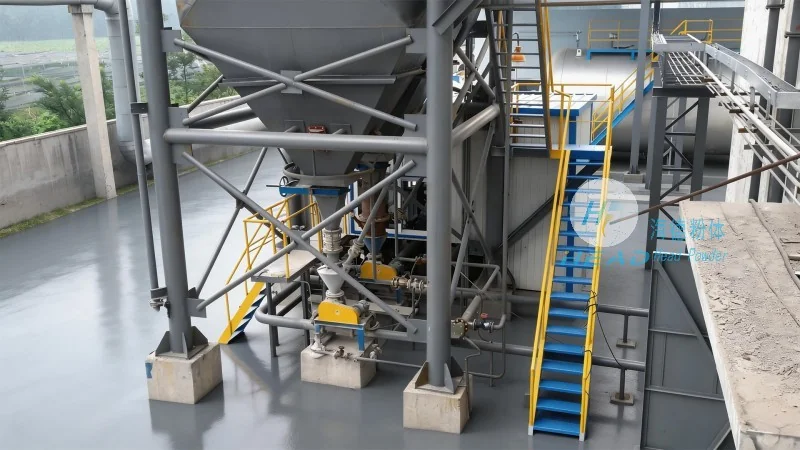
About Shandong HeadPowder Engineering Co., Ltd.
Shandong HeadPowder Engineering Co., Ltd., commonly known as headpowder, is a leading manufacturer and supplier of advanced material handling equipment, including compound fertilizer pneumatic conveying systems. With a strong focus on innovation and quality, the company has established itself as a trusted partner in the agricultural and industrial sectors. Headpowder's products are designed to meet the specific needs of fertilizer manufacturers, ensuring efficient, safe, and cost-effective material transportation. The company's headquarters is located in Shandong, China, where it leverages local expertise and resources to develop cutting-edge solutions tailored to the global fertilizer industry. By combining advanced engineering, rigorous testing, and customer-centric service, headpowder delivers high-performance equipment that enhances productivity and operational efficiency for its clients.




