HeadPowder, a leading manufacturer based in Shandong, China, specializes in the design, production, and supply of advanced pneumatic conveying systems tailored for handling PVC powders. This article provides an overview of the key equipment involved and the underlying structural principles that enable efficient and reliable material transport.
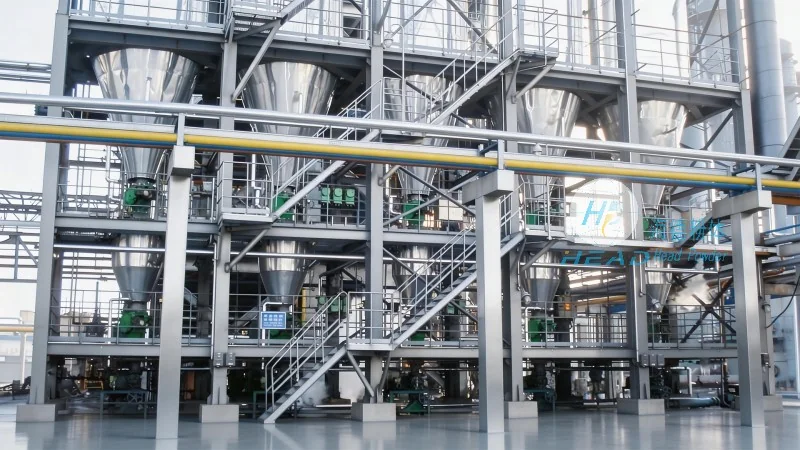
Overview of Key Equipment in PVC Powder Pneumatic Conveying Systems
The PVC powder pneumatic conveying system typically comprises several core components that work in concert to ensure seamless material handling. The primary equipment includes the material feeding unit, the conveying pipeline, the air supply system, and the control mechanisms. Each component plays a critical role in the overall operation, contributing to the system's efficiency and performance.
Firstly, the material feeding unit is responsible for introducing the PVC powder into the system. This unit may consist of a hopper or a feeder that ensures a consistent and controlled flow of the powder, preventing blockages and maintaining uniform particle distribution. The design of the feeding mechanism is crucial to avoid agglomeration or segregation of the PVC particles, which could impact the conveying process.
Secondly, the conveying pipeline serves as the main pathway for transporting the PVC powder. These pipelines are often made from materials resistant to the chemical properties of PVC, such as stainless steel or specialized plastics, to prevent corrosion and ensure durability. The pipeline system may include bends, elbows, and straight sections, with each component carefully engineered to minimize pressure losses and maintain the integrity of the powder flow.
Thirdly, the air supply system is a critical element that provides the necessary pressure and flow of air to move the PVC powder through the pipeline. This system typically includes a blower or a compressor that generates the required air pressure, along with air filters and regulators to ensure clean and consistent air quality. The air supply is essential for creating the pneumatic force that propels the powder particles forward, and its performance directly impacts the system's conveying capacity and efficiency.
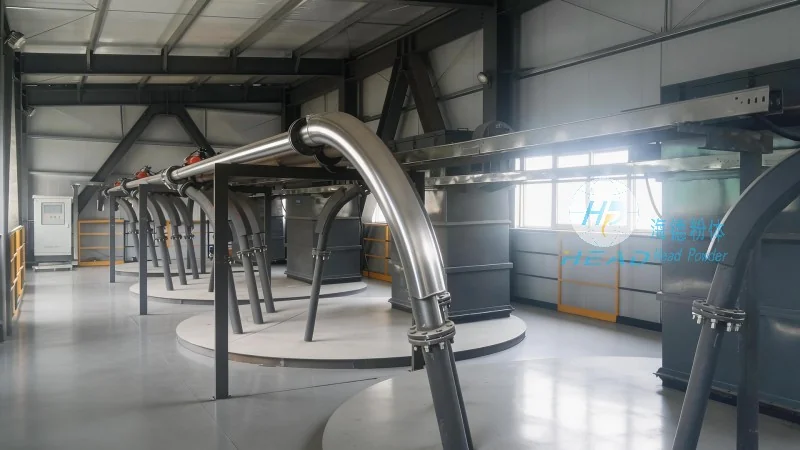
Finally, the control mechanisms are responsible for monitoring and regulating the operation of the pneumatic conveying system. These may include sensors for pressure, flow, and level, as well as control valves and automation systems that adjust the air supply and feeding rates in real-time. The control system ensures that the system operates within safe and optimal parameters, preventing overloading or under-conveying and maintaining consistent performance.
Structural Principles of PVC Powder Pneumatic Conveying Systems
The structural principles underlying PVC powder pneumatic conveying systems are based on the fundamental physics of fluid dynamics and particle movement. The core principle is the use of air as a carrier medium to transport the solid particles. This approach leverages the concept of pneumatic transport, where the air flow creates a drag force on the powder particles, lifting them and moving them along the pipeline.
One of the key structural principles is the design of the conveying system to maintain a consistent air-to-solid ratio. The air velocity within the pipeline must be sufficient to overcome the gravitational force acting on the powder particles and to keep them suspended in the air stream. This ratio is critical for preventing particle settling or blockages in the pipeline. Engineers typically calculate the optimal air velocity based on the particle size, density, and the desired conveying distance, ensuring that the system operates efficiently without excessive energy consumption.
Another important structural principle is the use of appropriate pipeline geometry and components to minimize pressure losses. The design of bends, elbows, and other fittings is crucial to reduce turbulence and friction, which can cause energy losses and affect the conveying capacity. The use of smooth, non-porous pipelines and well-designed transition sections helps maintain the air flow efficiency, ensuring that the system can transport the PVC powder over longer distances with minimal pressure drop.
The system also incorporates structural elements to handle variations in material flow and air pressure. For example, surge tanks or buffer vessels may be included to absorb fluctuations in the material feed rate, preventing surges or drops in the pipeline. Similarly, pressure relief valves and safety devices are integrated to protect the system from overpressure conditions, ensuring safe operation. These structural features contribute to the overall reliability and stability of the pneumatic conveying system.
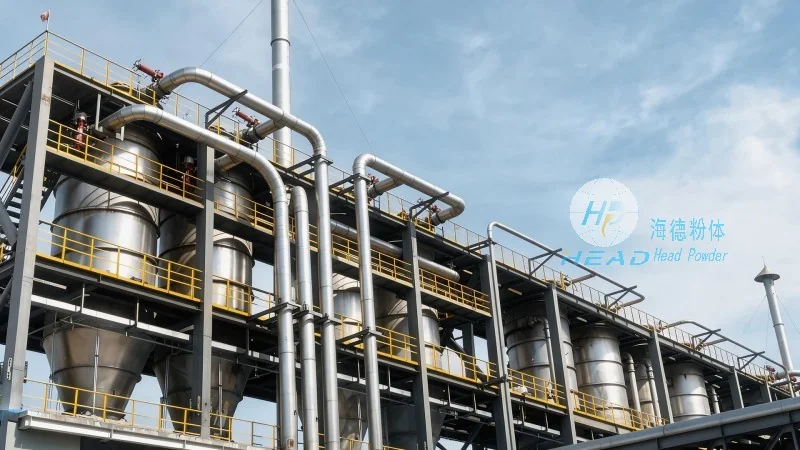
Advantages of PVC Powder Pneumatic Conveying Systems
Implementing a pneumatic conveying system for PVC powder offers several advantages over traditional methods such as belt conveyors or manual handling. One of the primary benefits is the ability to transport the material in a closed system, which minimizes dust emissions and improves workplace safety. This is particularly important for PVC powders, which can be hazardous if inhaled or come into contact with skin.
Another advantage is the flexibility and scalability of the system. Pneumatic conveying systems can be easily adapted to handle varying volumes of PVC powder, from small-scale applications to large industrial operations. The modular design allows for the addition or removal of components as needed, making it suitable for different production requirements. This flexibility also enables the system to be integrated with other processing equipment, such as mixers or extruders, to form a complete production line.
Efficiency and energy savings are also significant benefits. By using air as the primary transport medium, the system reduces the need for mechanical components like belts or rollers, which can wear out and require frequent maintenance. The pneumatic approach also minimizes material degradation, as the powder is less likely to be exposed to friction or impact compared to other methods. This results in higher product quality and reduced waste, contributing to overall cost savings.
Furthermore, the closed system design enhances product purity and prevents contamination. The PVC powder remains contained within the pipeline and control equipment, avoiding contact with external elements such as moisture or other substances. This is crucial for maintaining the quality of the final product, especially in applications where the purity of the PVC powder is critical, such as in the manufacturing of plastic products or coatings.




