For industries dealing with dry powders, efficient and reliable material handling is crucial. The dry powder pneumatic conveying system, developed by Shandong HeadPowder Engineering Co., Ltd., offers a sophisticated solution to meet these demands. This article provides an overview of the equipment and explains the structural principles behind its operation.
Overview of Dry Powder Pneumatic Conveying Systems
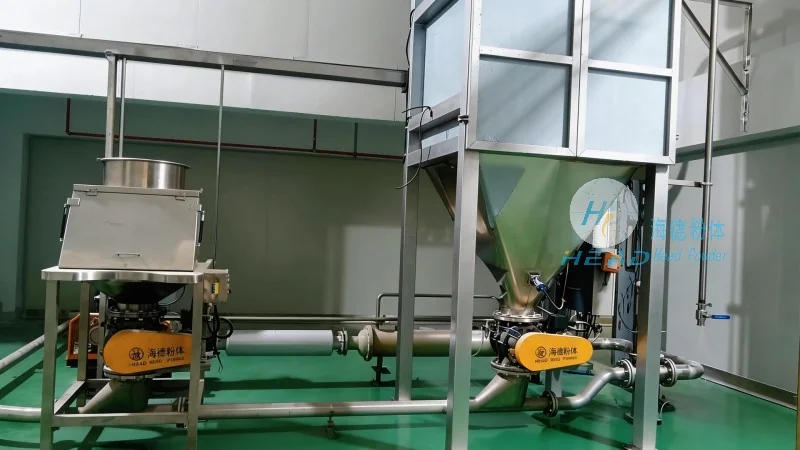
Dry powder pneumatic conveying systems are designed to transport dry powders and granular materials through a pipeline using air or gas as the conveying medium. Unlike traditional mechanical conveying methods, such as belt conveyors or screw conveyors, pneumatic systems offer advantages like flexibility in layout, reduced material contamination, and the ability to handle a wide range of powder properties. The system typically consists of several key components, including a hopper for material storage, a feeder to control the flow rate, a compressor or blower to generate the conveying air, and a pipeline network to transport the material to the destination.
Key Components and Their Functions
The effectiveness of a dry powder pneumatic conveying system depends on the proper integration of its components. Each part plays a critical role in ensuring smooth and efficient operation. The hopper, often equipped with a discharge valve, serves as the primary storage vessel for the dry powder. It is designed to maintain a consistent material level and prevent caking or segregation. The feeder, which can be a rotary valve, screw feeder, or vibratory feeder, regulates the flow of material into the pipeline. This component is essential for controlling the conveying rate and preventing overloading or underloading of the system. The compressor or blower provides the necessary pressure and airflow to move the material through the pipeline. It can be a positive displacement blower or a centrifugal fan, depending on the system's requirements. The pipeline network, made of materials like stainless steel or plastic, connects all components and ensures the material is transported to the desired location. Additionally, the system may include filters and cyclones to separate the conveying air from the powder, ensuring the air is clean and the powder is not lost.
Structural Principles of Operation
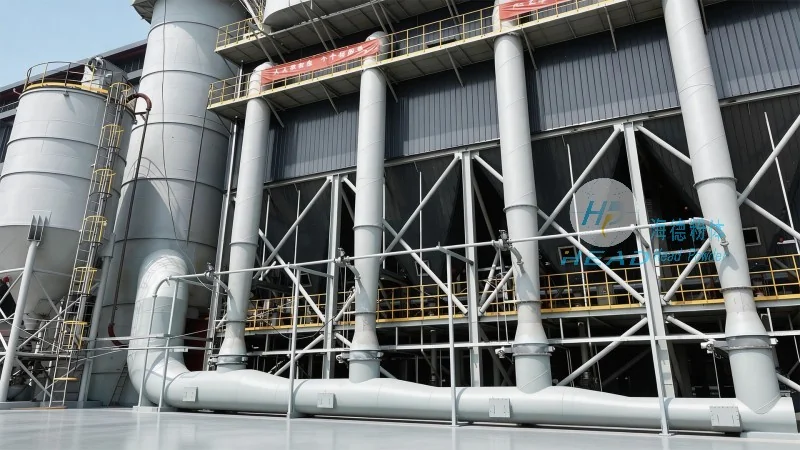
The core of the dry powder pneumatic conveying system lies in the interaction between the powder particles and the conveying air. The system operates on the principle of creating a flow of air that entrains the powder particles and transports them through the pipeline. There are two main types of pneumatic conveying systems: pressure and vacuum. In a pressure system, the air is introduced at the discharge end of the pipeline, and the material is pushed forward by the air pressure. In a vacuum system, the air is drawn from the inlet end, creating a suction that pulls the material into the pipeline. The choice between pressure and vacuum depends on factors such as the distance to be covered, the material's properties, and the system's layout. The conveying air velocity is a critical parameter, as it must be high enough to entrain the powder particles but not so high as to cause excessive wear on the pipeline or components. The system's design, including the size of the pipeline, the angle of the bends, and the type of fittings, all contribute to the overall efficiency and performance of the conveying process.
Advantages and Applications
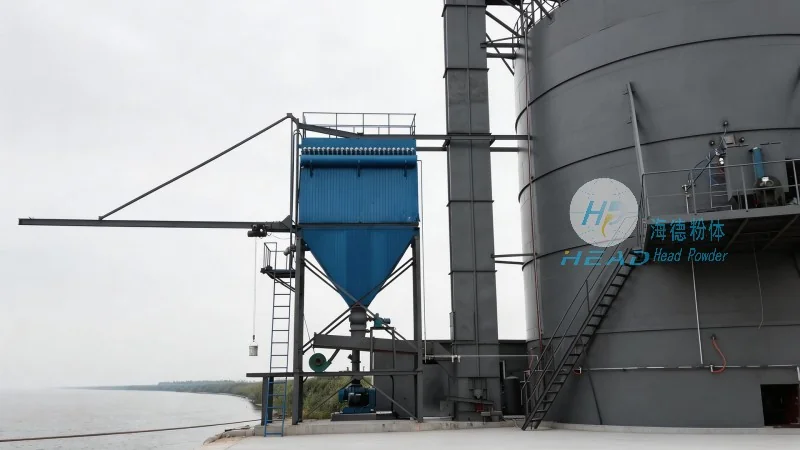
Dry powder pneumatic conveying systems offer several advantages over traditional conveying methods. They are highly flexible, allowing for changes in the system layout without major modifications. The systems are also capable of handling materials that are difficult to convey mechanically, such as fine powders or materials that are prone to caking. Additionally, pneumatic systems can transport materials over long distances and through multiple points of discharge, making them suitable for various industrial applications. Industries that benefit from these systems include pharmaceuticals, food processing, chemical manufacturing, and mining. In the pharmaceutical industry, for example, pneumatic conveying systems are used to transport active ingredients and excipients with high precision and minimal contamination. In the food industry, they are used to handle powders like flour and sugar, ensuring product quality and safety. The chemical industry utilizes these systems for transporting raw materials and finished products, while the mining industry uses them to move ore and other bulk materials.
Maintenance and Considerations
To ensure the long-term performance and reliability of a dry powder pneumatic conveying system, regular maintenance is essential. This includes checking the condition of the pipeline and components for wear or damage, cleaning the filters and cyclones to prevent clogging, and inspecting the feeder and hopper for material buildup. Proper maintenance can extend the system's lifespan and reduce downtime. When selecting a pneumatic conveying system, several factors should be considered. These include the type and properties of the material being conveyed, the distance and layout of the system, the required conveying rate, and the available space. It is also important to consider the environmental impact of the system, such as the noise generated by the compressor and the potential for air pollution. By carefully evaluating these factors, users can choose the most suitable system for their specific needs.




