When designing a coffee powder pneumatic conveying system, several critical factors must be considered to ensure efficiency, reliability, and optimal performance. The system's design directly impacts the quality of the coffee powder being transported, as well as the overall operational costs and safety of the process. Shandong HeadPowder Engineering Co., Ltd., a leading provider of industrial conveying solutions, emphasizes the importance of careful planning and component selection in achieving successful coffee powder handling systems.
System Sizing and Flow Rate Considerations
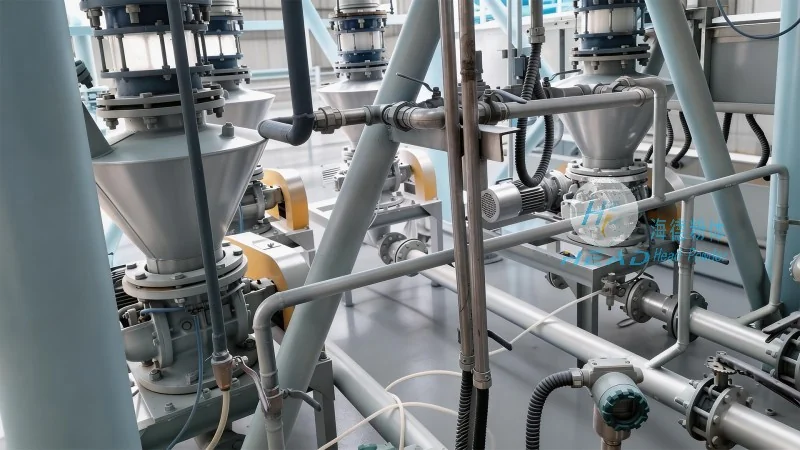
One of the first steps in designing a coffee powder pneumatic conveying system is determining the appropriate system sizing and flow rate. This involves calculating the required air volume and pressure to move the coffee powder from the source to the destination. The flow rate must be sufficient to prevent clogging and ensure consistent material movement. Factors such as the particle size distribution, moisture content, and bulk density of the coffee powder all influence the air requirements. For example, finer coffee powders may require higher air velocities to maintain flow, while coarser particles might need lower velocities to avoid excessive wear on the system components.
Material Handling and Equipment Selection
Choosing the right equipment for the coffee powder pneumatic conveying system is crucial. The selection of components like the feeder, air compressor, and conveying line must be tailored to the specific characteristics of the coffee powder. The feeder, often a rotary valve or a screw feeder, should be designed to handle the powder's flow properties without causing blockages. The air compressor must provide stable pressure and volume to maintain consistent conveying. The conveying line, typically made of stainless steel or other corrosion-resistant materials, should be sized appropriately to minimize pressure drop and energy consumption. Additionally, the system may include components like filters and cyclones to separate the coffee powder from the air, ensuring that the powder remains clean and free from contaminants.
Pressure Drop and Energy Efficiency
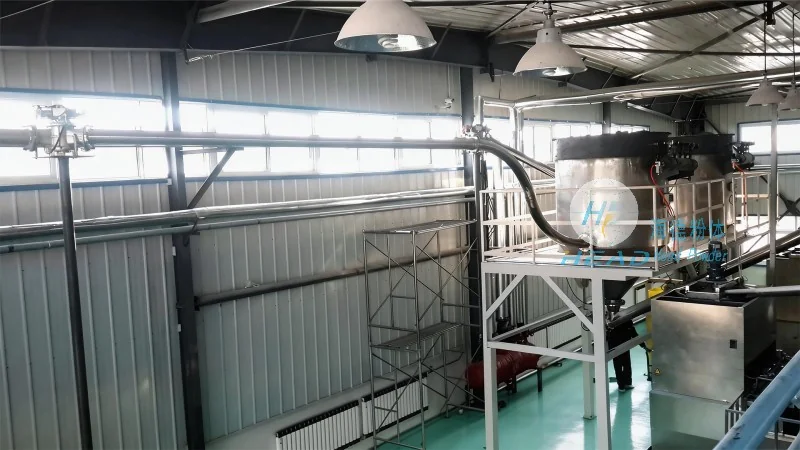
Pressure drop is a key factor in the design of a coffee powder pneumatic conveying system, as it directly affects the energy consumption and operational costs. The pressure drop occurs due to friction in the conveying line, changes in direction, and the interaction between the air and the coffee powder particles. Proper system design minimizes unnecessary pressure drops by using smooth, well-designed components and avoiding sharp bends or restrictions. Energy efficiency can be improved by selecting high-efficiency air compressors and optimizing the system layout to reduce the overall length of the conveying line. Regular maintenance, such as cleaning filters and checking for leaks, also helps maintain optimal pressure drop and energy performance.
Material Compatibility and Corrosion Resistance
Since coffee powder can be sensitive to moisture and may contain acidic components, the materials used in the pneumatic conveying system must be compatible and resistant to corrosion. Stainless steel is commonly used for the conveying line and other components due to its durability and resistance to chemical attack. The system's components should also be designed to prevent moisture accumulation, as this can lead to clumping and clogging of the coffee powder. Proper sealing and drainage of the system are essential to maintain the integrity of the coffee powder and prevent contamination. Additionally, the system should be easy to clean and maintain to ensure consistent performance over time.
System Safety and Maintenance
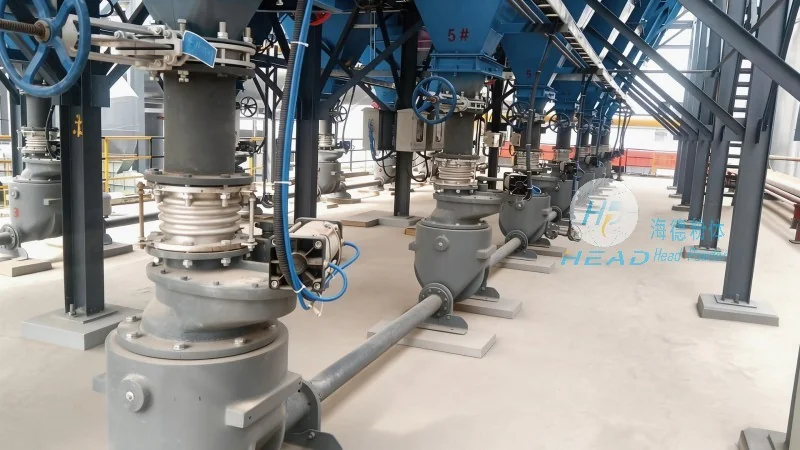
Ensuring the safety of the coffee powder pneumatic conveying system is paramount. The system must be designed to prevent dust explosions, which can occur if the coffee powder is suspended in the air and ignited. This is typically achieved by implementing explosion-proof components and proper grounding. Regular maintenance, including checking for leaks, cleaning filters, and inspecting for wear and tear, is essential to maintain system safety and performance. The system should also be equipped with safety features like pressure relief valves and emergency shut-off mechanisms to prevent accidents. Proper training of operators on the safe operation of the system is also critical to minimize risks.
Integration with Existing Facilities
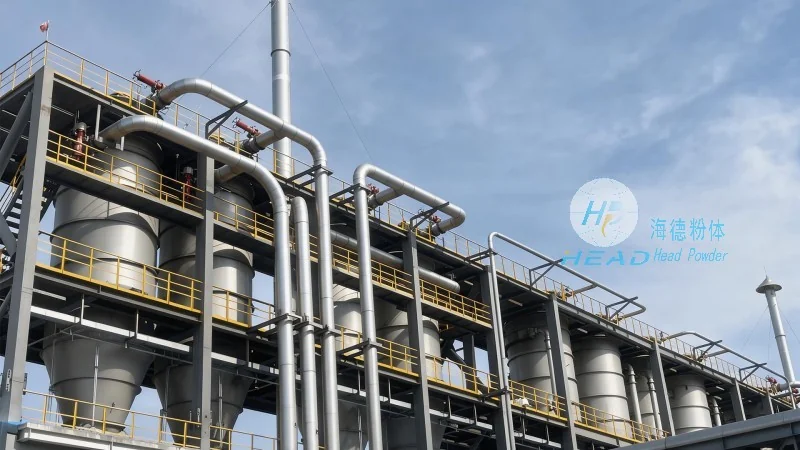
When designing a coffee powder pneumatic conveying system, it is important to consider how it will integrate with existing facilities. The system should be compatible with the existing infrastructure, such as the building layout, electrical supply, and ventilation systems. The installation of the system should be planned to minimize disruption to ongoing operations and ensure that the coffee powder can be transported efficiently between different parts of the facility. The system's design should also take into account any local regulations and standards for industrial equipment, such as safety codes and environmental regulations. Proper planning and coordination with the facility's engineering team are essential to ensure a smooth integration process.
Testing and Commissioning
After the coffee powder pneumatic conveying system is installed, it must undergo thorough testing and commissioning to ensure that it meets the design specifications and operates as intended. This includes testing the system's flow rate, pressure drop, and energy consumption under various operating conditions. The system should be tested with the actual coffee powder to verify that it can handle the specific characteristics of the material. Any issues or deviations from the design parameters should be identified and addressed before the system is put into full operation. Proper documentation of the testing results and any adjustments made during commissioning is essential for future maintenance and troubleshooting.




